The Best Facial Cleansers by Skin Type
2022-04-22
Cleansing is an essential step in any healthy skincare routine. Cleansing also helps prep skin for the next steps in your routine. Depending on which cleansers you choose, this will impact how well skin is optimized to take in the benefits of the products you apply next. It’s not always easy to know which facial cleanser is best for your unique skin. The world of skincare is ever evolving and expanding, with hundreds of products to choose from. Ahead, we’ll revisit the basics to learn about cleansing and how you can find the best facial cleanser for your skin type.
Why should I use a facial cleanser?
Cleansing should always be the first step in your daily skincare routine, as cleansed skin is the foundation for a healthy complexion. Skin becomes dirty and oily during the day as makeup, pollution and excess sebum congest the pores. A good facial cleanser effectively removes these pollutants from pores without stripping skin of its natural moisture content. You want skin to feel properly clean, balanced and ready for the next steps in your routine.

How Should I Use Facial Cleansers?
Cleanse your face both morning and night, every day–even if you haven’t been wearing any makeup. Use a moderate water temperature. If water is too hot, it can aggravate the pores, while too-cold water won’t remove everything as effectively.
Double-cleansing is an especially beneficial technique for days when you have been wearing heavy makeup, sunscreen or have been battling pollution in the city. The first step involves using a cleansing oil or balm to dissolve makeup, dirt and grime, and remove with a soft muslin cloth. The second step involves applying a treatment cleanser to the skin–a wash cleanser, usually a cream, milk or foam–to target specific skin concerns, whether acne, pigmentation, fine lines and wrinkles, dryness, etc. This two-step approach delivers an even deeper clean, whilst helping to prep the skin for the following products in your routine.
TIP: Preform your cleansing routine in the shower, as steam can help soften solidified oil within the pores. Use a clean, soft cloth every time you cleanse.
How Do I Choose a Facial Cleanser?
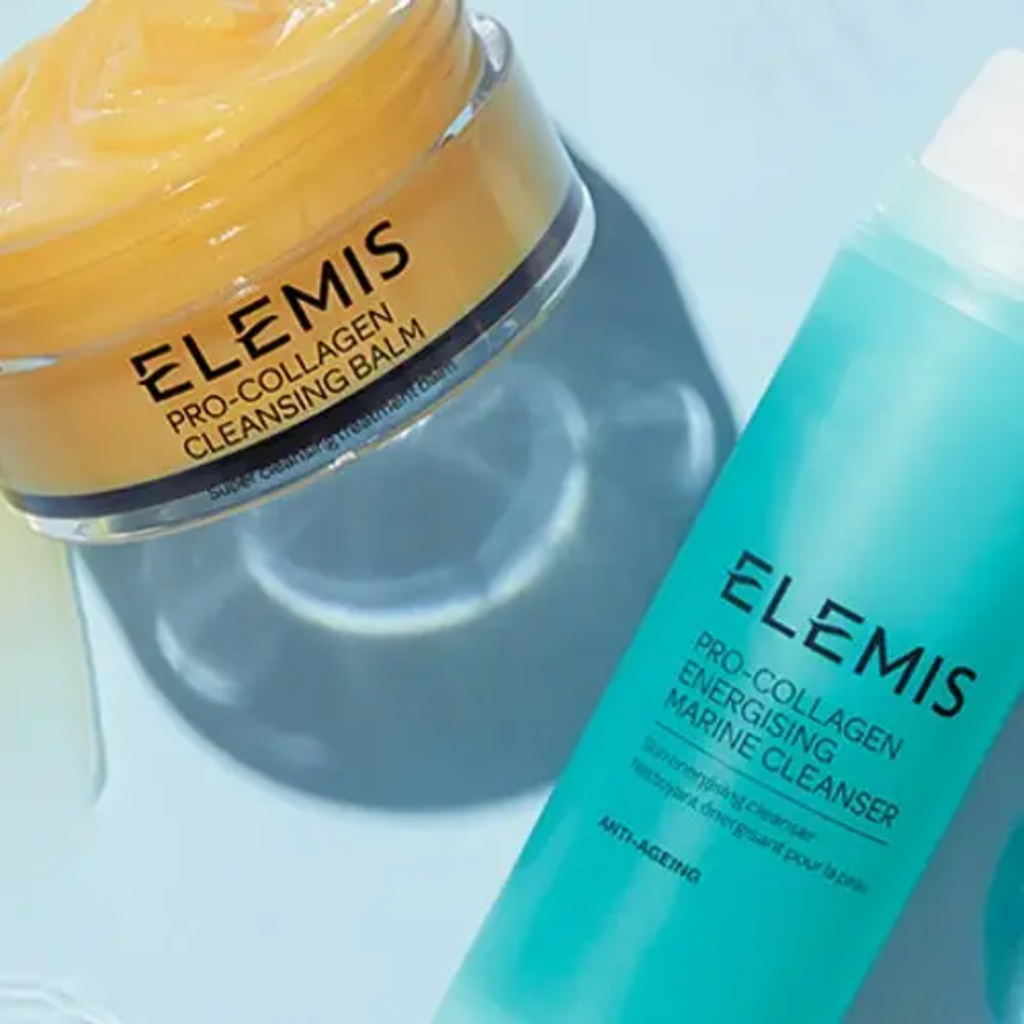
Choosing a facial cleanser is tricky. If you choose a product that is too drying, it can leave your skin stripped, irritated or sensitized. Cleansers that are too rich can clog your pores and leave you dealing with a breakout. It can be helpful to choose your cleansers based on your skin type. It also might be helpful to switch up your skincare routine with the changing seasons–milder months require a gentle formula with mild exfoliation, while the winter months are perfect for indulging in a nourishing cleansing oil. You can also use texture to guide you.
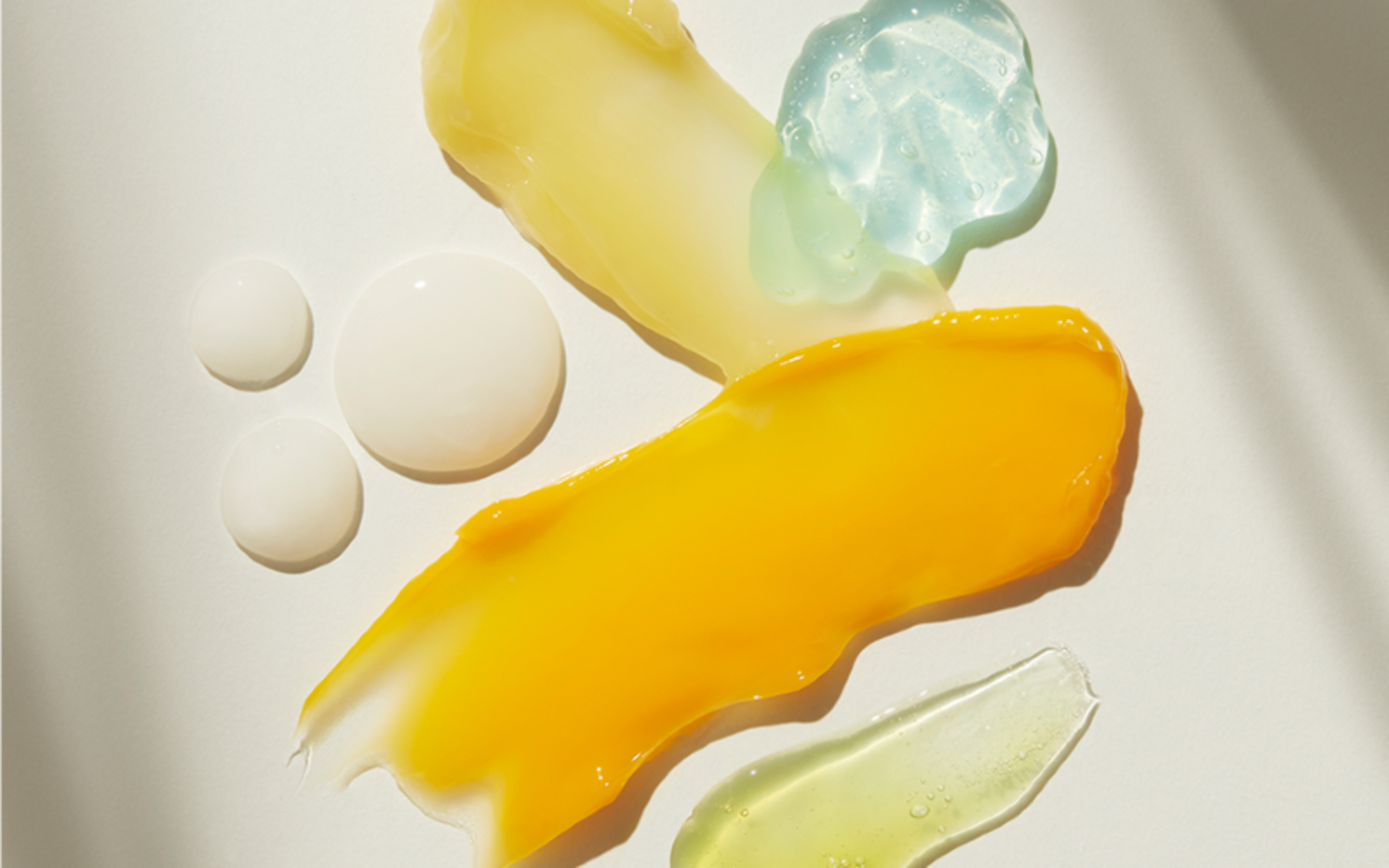
Texture is often a forgotten factor that could hold the key to finding your perfect facial cleanser. Considering that you spend time cleansing your face twice daily, the ritual should be a joy, rather than a chore. Whether cool and refreshing or balmy and decadent, the sensation of smoothing a cleanser onto your skin can tap into your mood. In theory, an enjoyable cleansing experience means less stress, less hormone spikes, less excess oil production and less breakouts.

The Best Facial Cleanser for Your Skin Type:
Oily Skin
When trying to combat excess oil production, it can be tempting to reach for a highly clarifying formula. But when the skin feels tight and squeaky-clean, this means it’s been stripped. When the skin is stripped of all its oils, this leads to accelerated oil production as the skin seeks to counteract the dryness. For oily skin, we recommend an oil-based cleanser. Contrary to the belief that oil-based cleansers exacerbate the problem, oil actually dissolves oil, easily breaking up and lifting daytime buildup. Make sure to choose a cleansing oil or balm that turns into a milky texture when mixed with water. This emulsification process ensures any lingering oil gets washed away and doesn’t cause a breakout.
Sensitive Skin
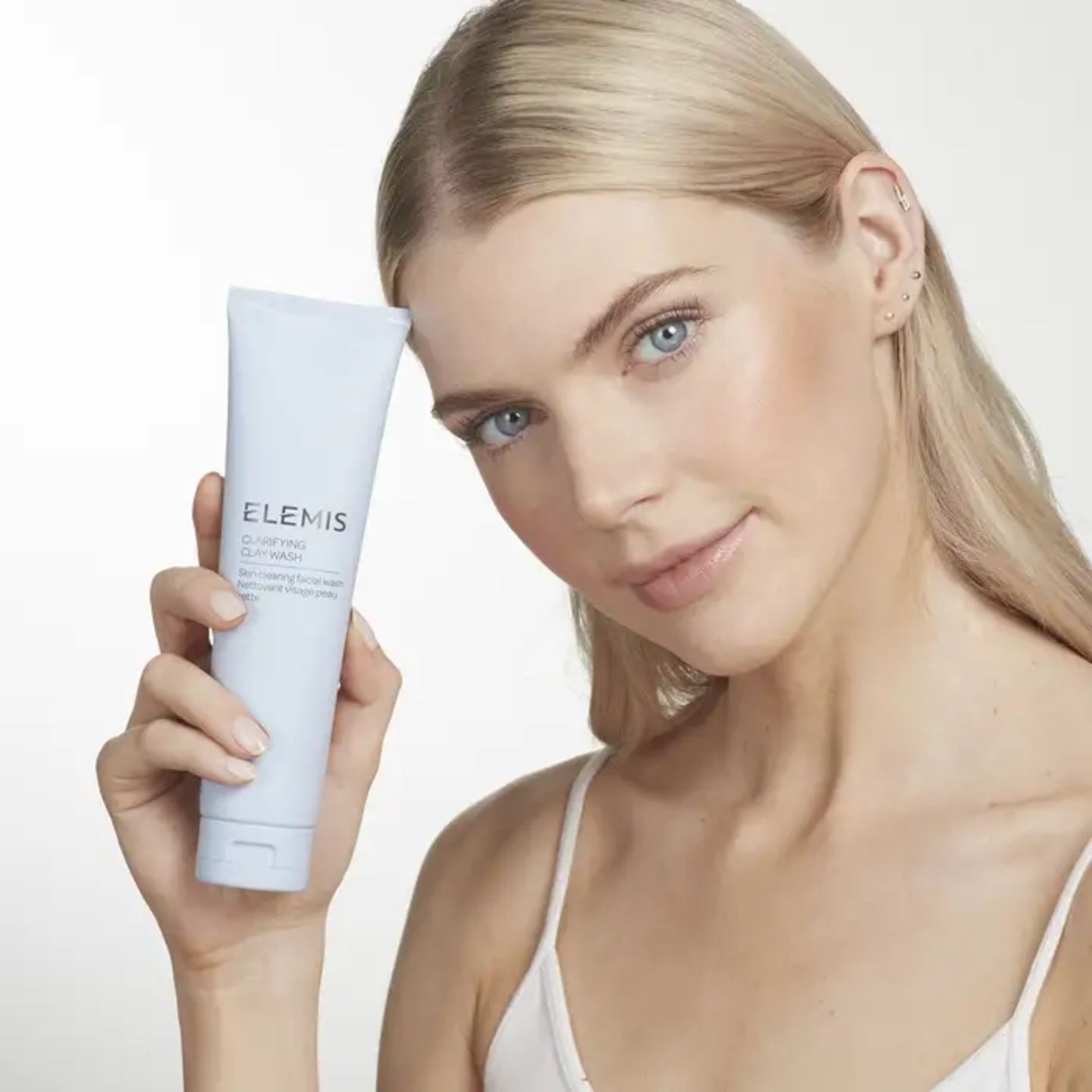
Sensitive skin requires special attention to keep irritation at bay, so look for a formula with gentle cleansing and anti-inflammatory ingredients, such as rosehip oil and chamomile extract. The best cleanser textures for this skin type are creams, oils and milks, as they won’t upset the delicate balance of the skin barrier. Avoid harsh soaps, abrasive exfoliants and makeup-remover wipes that require scrubbing.
Combination Skin
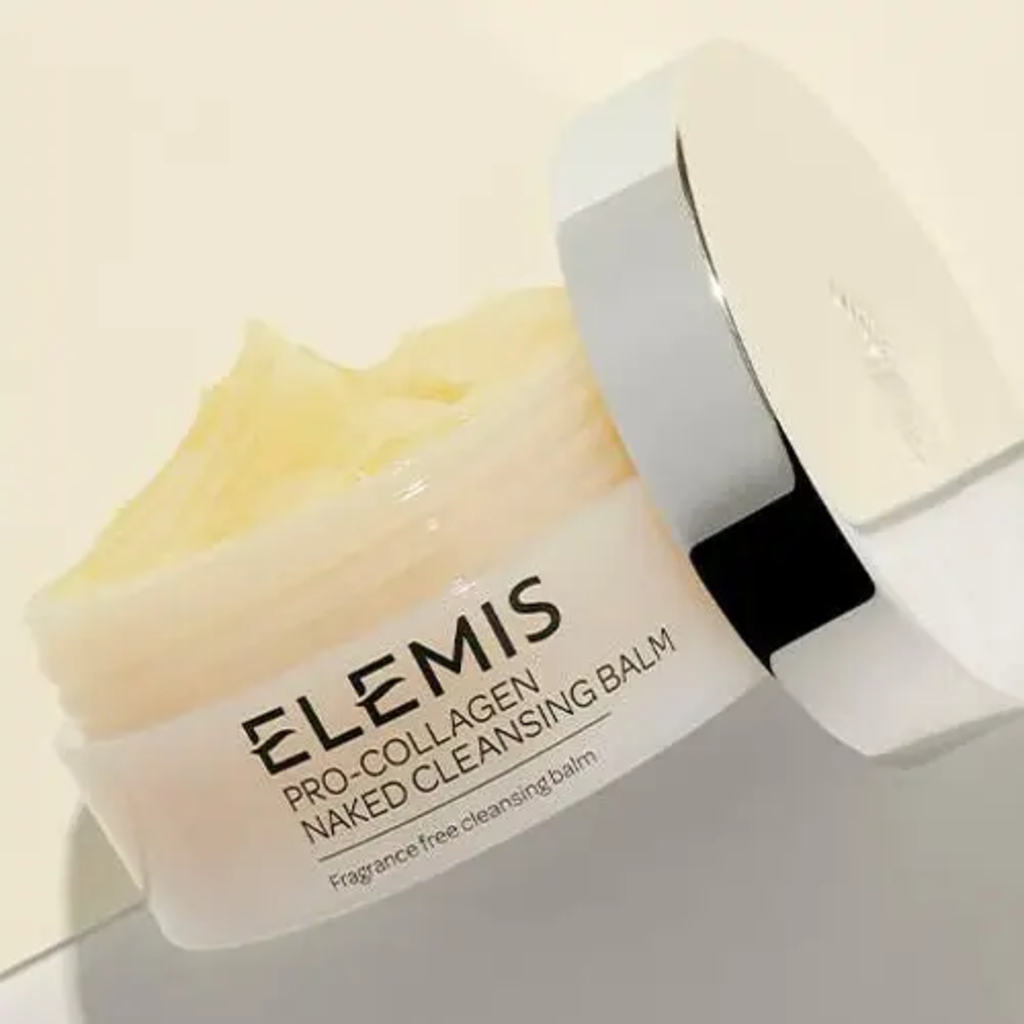
While most cleanser textures work well on combination skin, a balm or oil is especially effective in balancing oil production and hydrating dry areas simultaneously. If you have combination skin that gets oily in the t-zone (forehead, nose and chin) and dry in other areas, you may benefit from using two cleansers, one to address both skin concerns. Your skin is functioning differently in each area and this method could help bring all skin areas into harmony.
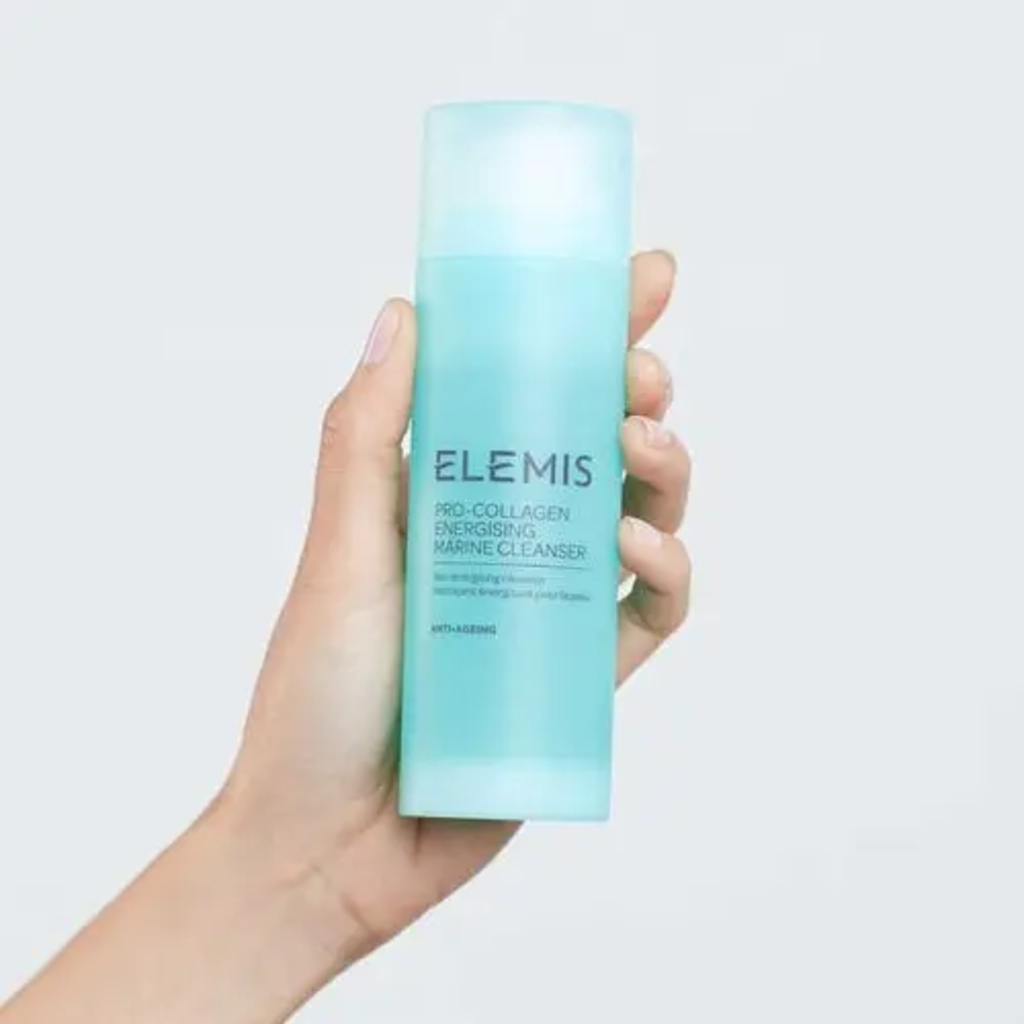
Dry Skin
If your skin feels tight after cleansing, you probably need a new cleanser. Dry skin craves moisture, as this skin type has underproductive sebaceous glands, not producing enough natural oils to keep skin hydrated and balanced. Look for a cleanser formulated with skin conditioning ingredients such as ceramides, hyaluronic acid, fatty acids and antioxidants which provide essential moisture and nourishment to the skin. The best cleanser for dry skin will leave your skin feeling properly clean and supple.
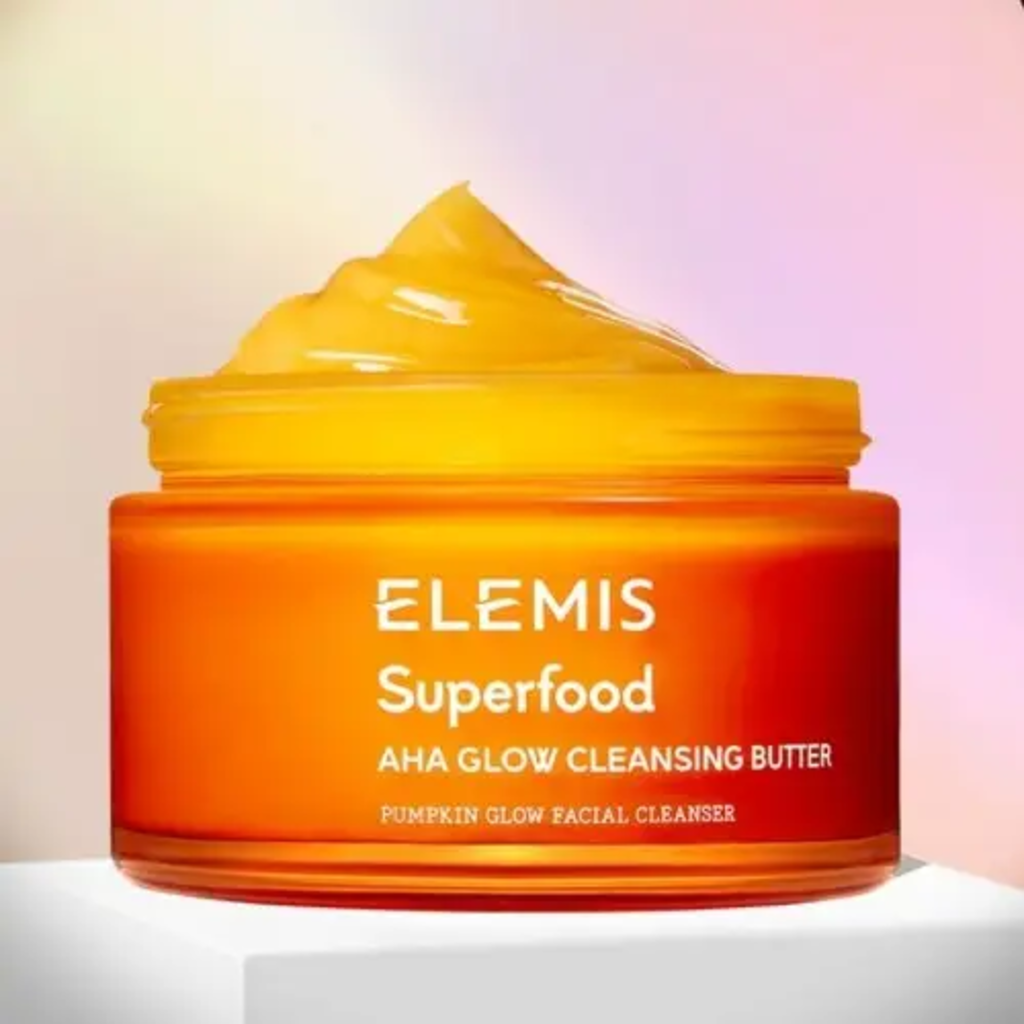
Cleansing is the foundation for healthy skin. The efficacy of every other product in your skincare routine is impacted by this crucial step. Look for a cleanser based on what your skin type needs verses how tight or “squeaky-clean” your skin feels. Your moisturiser won’t do all the work; it all starts with your cleanser.