SPF Myth-busting: Skincare Facts You Should Know
2024-07-17
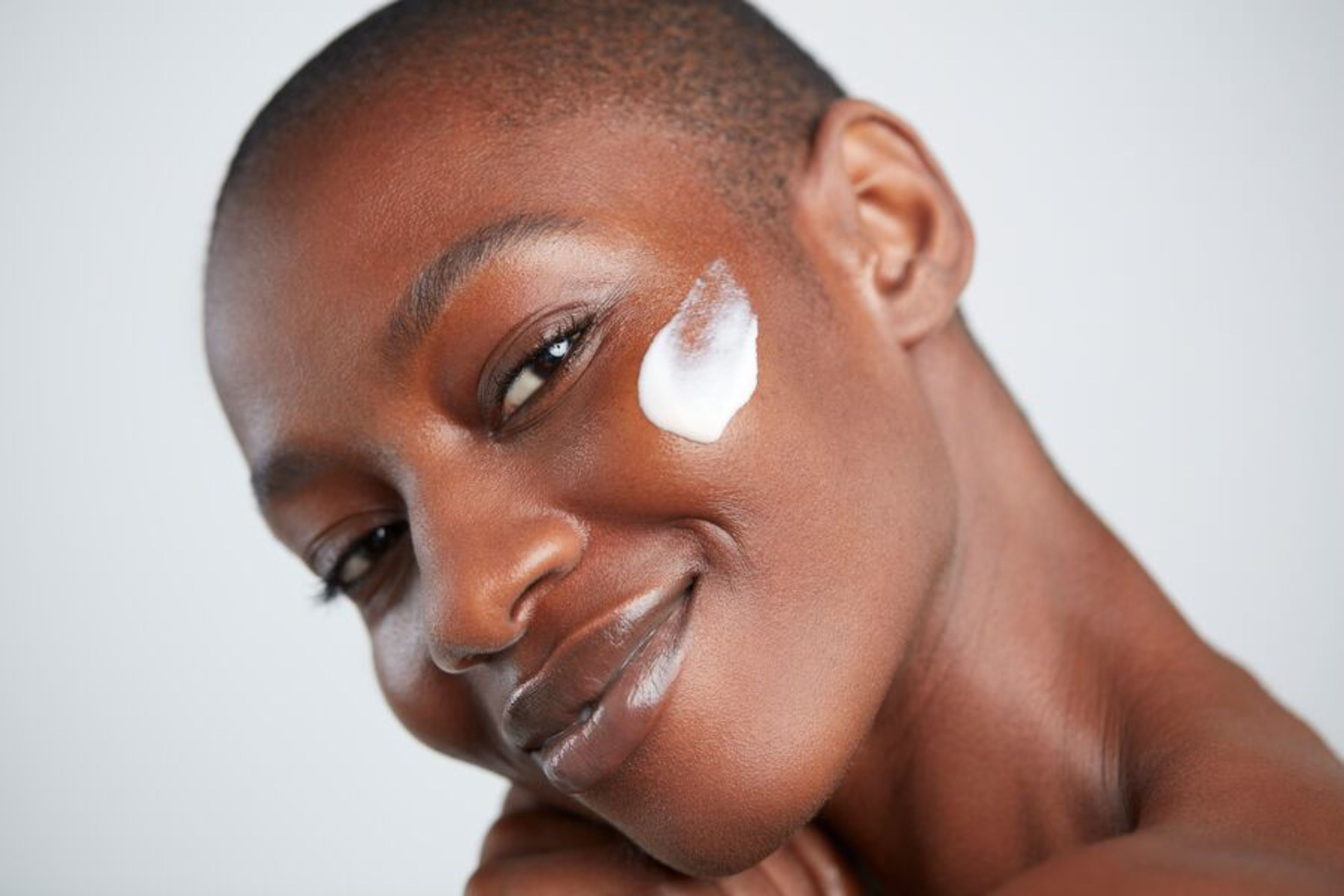
Have you heard contradictory information about sunscreen? You’re not alone — and myths about wearing sun protection make it challenging to use correctly. However, it’s important to know that sunscreen is essential for a radiant complexion. That’s why we’re sharing SPF sunscreen facts so you can enjoy the summer sun with confidence. From the timing of your sunscreen application to the best SPF moisturiser, let’s set out the facts and provide you with all you need to embrace the sunshine.
The Importance of Knowing SPF Fact from Fiction
Educating yourself about SPF is vital to caring for your skin. If you don’t, you could be misusing sunscreen, wasting product, and failing to defend your skin. This can lead to premature ageing, sun spots, and a complexion that looks and feels dry or dehydrated.
But don’t worry — with our SPF skincare knowledge on your side, you can experience soft, supple, and youthful-looking skin that’s nourished and protected from the sun’s rays.
Sunscreen Myth-busting: What are the Facts About SPF?
In the 1980s and 1990s, the importance of SPF was often overlooked, with the advice frequently given to oil up before sunbathing for a deeper tan. Unfortunately, this advice often resulted in complexions that developed a crepey texture and pronounced fine lines over time.
Today, we’re fortunate to have a wealth of skincare information that helps demystify SPF and its vital benefits. Combined with the ELEMIS team’s 30 years of research and development and nature’s finest botanicals, we’re in good stead to dispel the top myths surrounding SPF, ensuring your skin receives the care it truly deserves.
Myth #1: You only need to wear SPF in the summer
When you think about sunscreen, you probably imagine applying it on a sunny beach. This is, of course, essential — but did you know you still need to defend your skin when it’s chilly and grey? This is because UVA rays from the sun exist all year round, including winter.
UVA is ultraviolet light invisible to the naked eye and makes up 95% of the sun's rays. It’s responsible for premature ageing, like fine lines and wrinkles. It can also cause pigmentation, such as sunspots and puts you at higher risk of skin cancer. Therefore, the number one rule to remember is that UVA is always present if it’s light outside.
Myth #2: You don’t need SPF when it’s cloudy
Similarly, clouds may obscure light, but they don’t protect you from UVA. The rays sear straight through cloud cover, reaching your skin, even on the dullest days. So, if you’re going for a walk when it’s grey outside, protect your skin with SPF.
Myth #3: You don’t need SPF when sitting by a window
Wondering if you need to apply suncream on long summer car journeys? Windows filter light, but don’t stop it, meaning glass cannot keep UVA out. The rays dissipate and weaken but can still burn your skin.
So if you’re sitting by a window at the office or driving somewhere lovely for your summer holiday, we recommend wearing sunscreen as a just-in-case.
Myth #4: You don't need to reapply my SPF throughout the day
The UV filters in sunscreen gradually become less efficacious throughout the day, due to the body’s natural oils, sweat, and grime. Therefore, it’s vital to top up your SPF. But when is the best time to do it, and does a higher SPF mean you can wait longer between applications?
The Sun Protection Factor (SPF) is a system used globally to determine how much protection a sunscreen gives when applied to the skin. The test measures how much protection against UV radiation the sunscreen provides. For example, a product with SPF30 allows only one-thirtieth of the sun's rays to reach your skin compared to unprotected skin.
It’s worth remembering that sweat and insufficient sunscreen reduce protection time. It also depends on your skin type. Some people burn easily and need to reapply more regularly than others.
A general rule of thumb is to reapply sunscreen every two to three hours but consider what you’re up to during the day, too. For instance, if you’re playing sports in the sun or have a skin type that burns quickly, we’d advise that you reapply more regularly. Moreover, in order for sunscreen to be protective it needs to be applied liberally.
Myth #5: Darker skin tones don’t need SPF
You may have heard that you don’t need to worry about sunscreen if you have a darker complexion. While darker complexions have higher skin pigmentation, creating a natural barrier, it doesn’t mean you should skip the sunscreen.
Although you might not see visible effects immediately, deep skin tones can still burn during sun exposure, putting you at risk of premature ageing and skin cancer.

Myth #6: You can’t tan while wearing sunscreen
Tanning is when you produce melanin to deepen the pigmentation of your skin, providing natural protection from the sun. When your skin has a tan, it is your body's way of signalling that the top layer of skin cells has become damaged by UV rays.
It’s impossible to block out 100% of the sun’s UV rays, so if you’re in the sun long enough, your skin will darken despite using sunscreen.
Myth #7: Chemical SPFs are bad
A big myth is that chemical sunscreens are bad and mineral sunscreens are good. But the reality is that they both work — just in different ways.
Mineral SPFs contain titanium dioxide and zinc oxide, which sit on top of your skin and reflect UV rays. However, they often have a heavy consistency and can leave a white cast. A chemical sunscreen soaks into your skin and absorbs UV light as it hits your complexion. It then converts the rays into heat, releasing it through your body.
When deciding between mineral and physical sunscreen, choose one that you enjoy applying and suits your skin type. It must also be broad spectrum, shielding you from UVA and UVB rays.
Myth #8: Your sunscreen is water-resistant, so I don’t need to apply it after swimming
Sunscreens labelled 'water-resistant' may not provide complete water resistance so it can still be somewhat washed away.
Factors such as salt, chlorine, and sweat can also diminish the effectiveness of your sunscreen more swiftly. Then there’s the simple act of towelling off after a dip — this can remove your SPF protection.
With this in mind, we recommend reapplying your sunscreen immediately after towelling off after a swim, ensuring your skin remains beautifully protected.
Shining a Light on our Pro-Collagen Skin Protection Fluid SPF50+
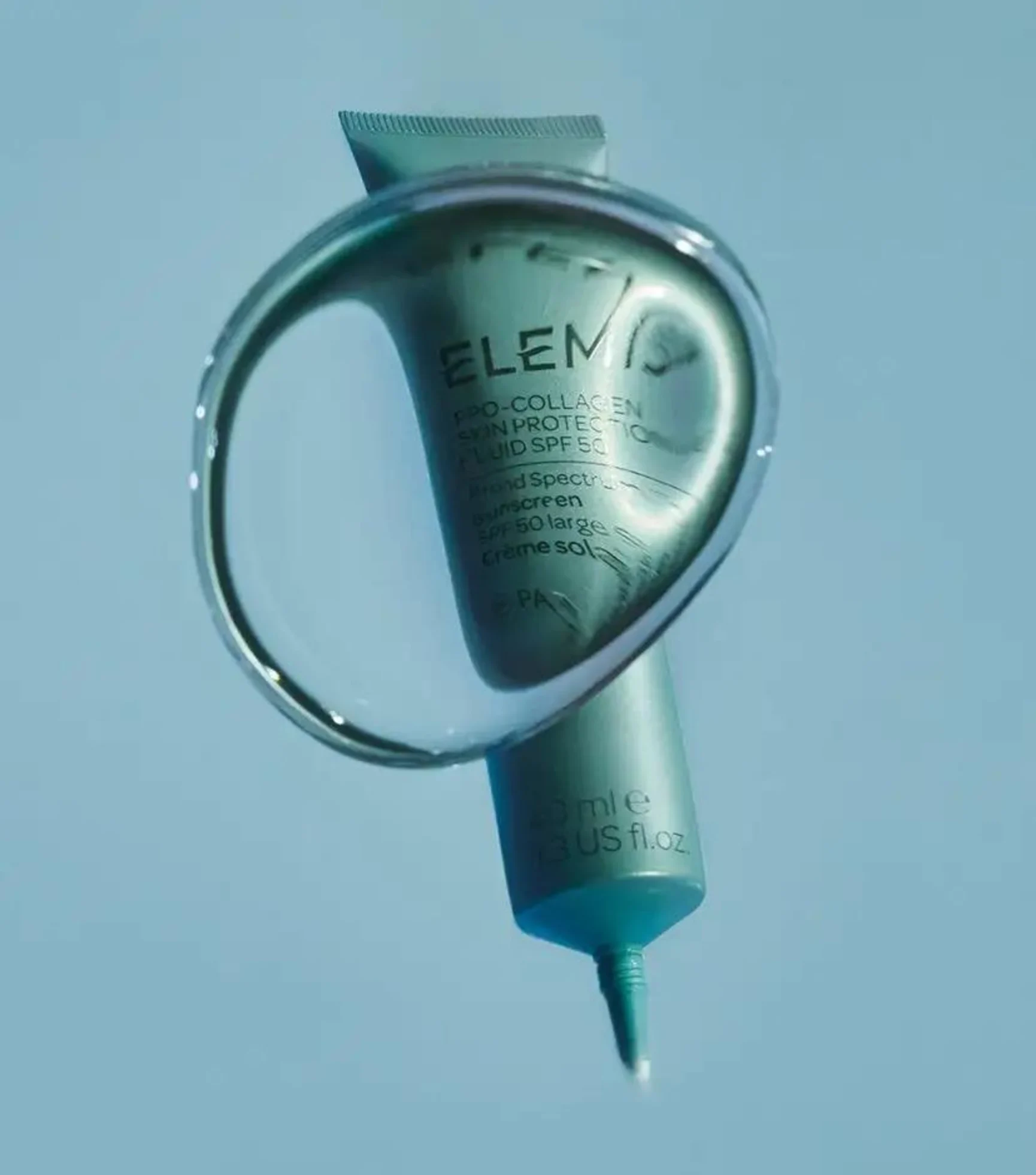
At ELEMIS, we recognise how important it is to find a sunscreen that protects your complexion without feeling heavy. Our Pro-Collagen Fluid SPF50+ is lightweight yet effective. This hydrating SPF nourishes as it shields, helping support soft, smooth, and youthful skin.
It’s formulated with actives from Lithops Stem Cells to support natural vitamin D production for luminous skin. We’ve also infused it with the ultra-hydrating algae Padina Pavonica for a cashmere-soft complexion. This ELEMIS SPF 50 is key to protecting your collagen.
The Best ELEMIS SPF skincare products
If you’re looking for an easy way to incorporate SPF into your daily skincare routine, our sun protection products offer the perfect solutions. By applying SPF moisturisers, serums, and face creams, you can reinforce sun protection as you go about your day. (Keep in mind that they are not a sunscreen replacement so you’ll need a dedicated SPF cream when out and about in the summer).
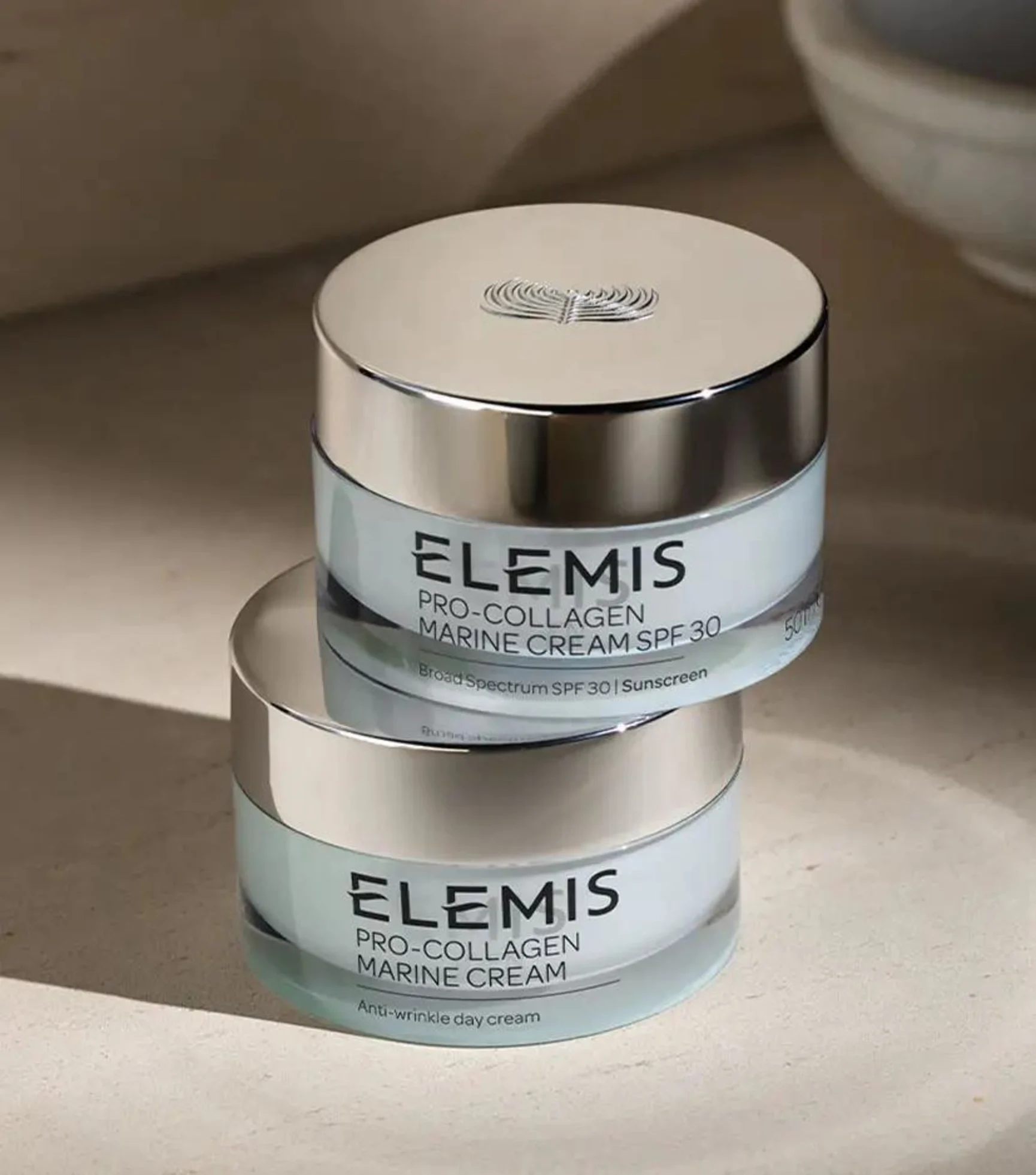
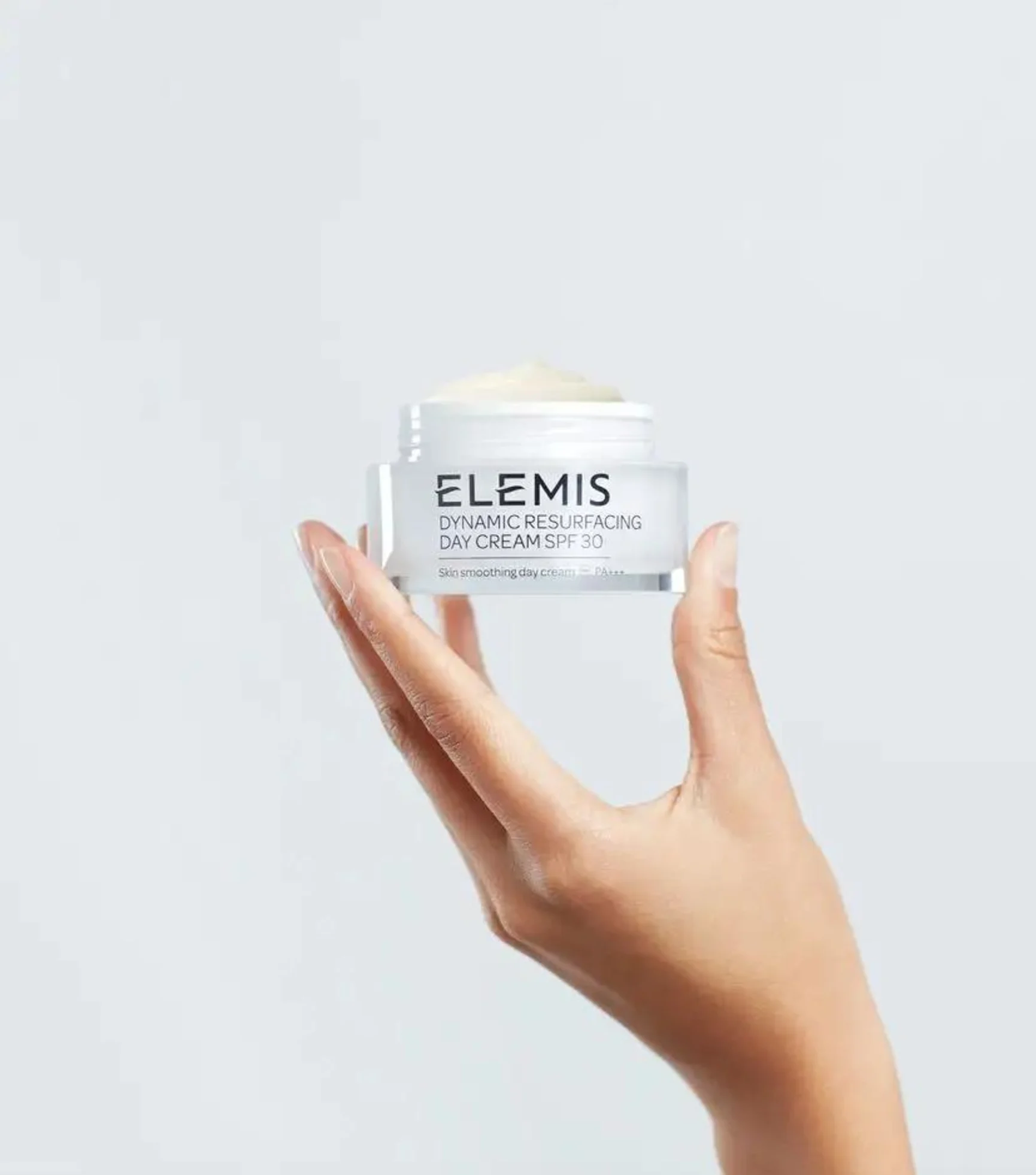
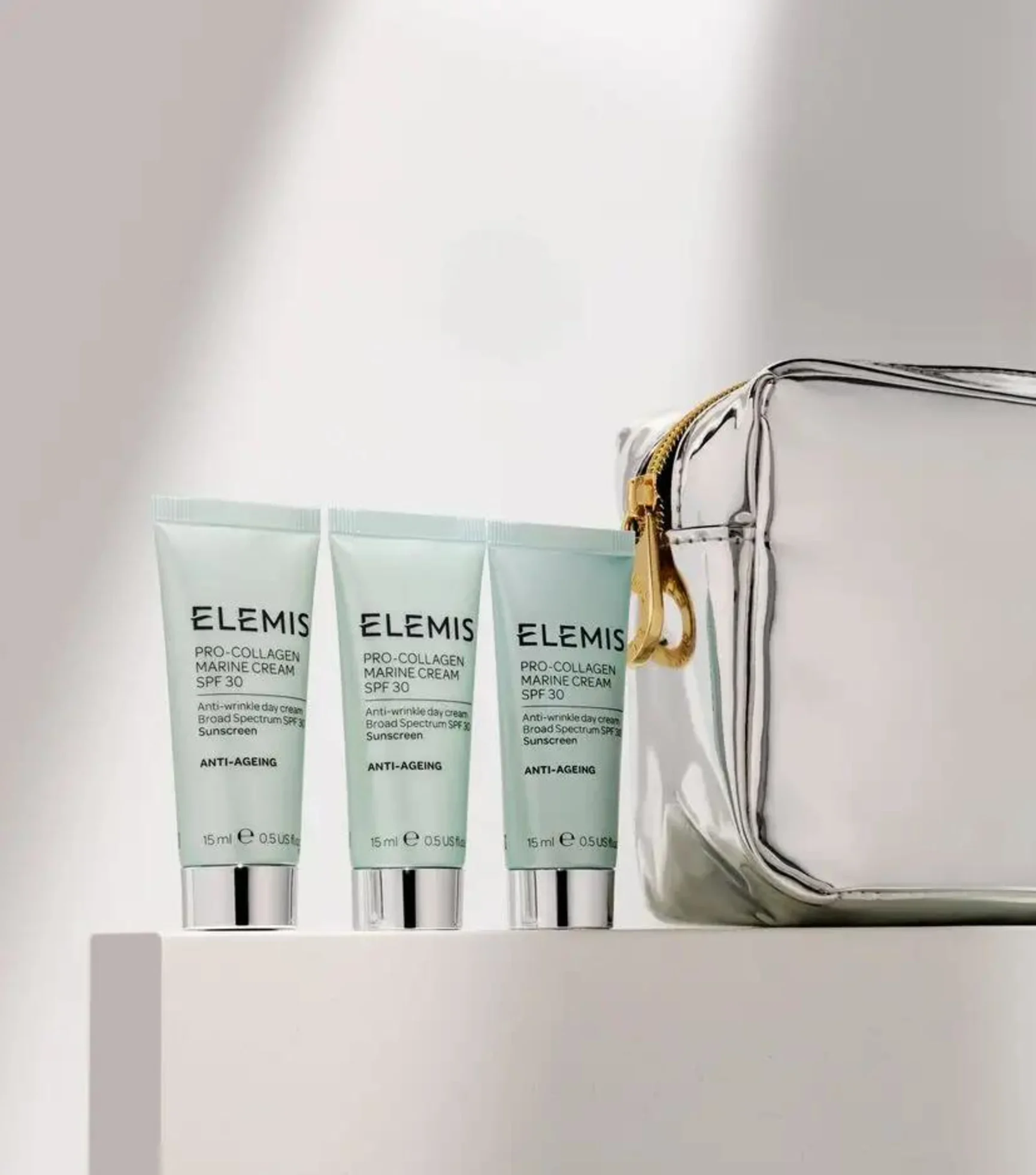
Our best SPF moisturisers are broadspectrum, protecting you from UVA and UVB rays. The Pro-Collagen Marine Cream SPF 30 rapidly hydrates and significantly reduces fine lines and wrinkles in only two weeks*. If you struggle with rough, dull skin, we recommend our Dynamic Resurfacing Day Cream SPF 30. This daily moisturiser uses Patented Tri-Enzyme Technology to dissolve dead skin cells and raspberry seed oil to soften and rejuvenate.
If you’re unsure which moisturiser is best, you can learn How to Choose and Apply the Best SPF Skincare Products.
*Independent Clinical Trials 2021. Results based on 38 people over 4 weeks.

Should you Apply SPF Before or After Moisturiser?
This is a common query, and we suggest that SPF sunscreen always comes after moisturiser. This ensures it’s the top layer for the best possible protection. However, always make sure your moisturiser has soaked into your skin before adding sunscreen. We’ve laid out a simple SPF skincare routine below to give you a head start.
When and how to apply SPF in your morning skincare routine
Smoothing on your SPF sunscreen at the correct point in your skincare ritual is essential for ultimate protection. Follow these steps for the correct SPF application:
Step 1: Cleanse for a fresh face — our Pro-Collagen Cleansing Balm is ideal for sweeping away daily grime, makeup traces, and other irritating pollutants.
Step 2: Exfoliate to smooth your skin. We have an array of exfoliators and peels for every skin type, so find the ideal product for your needs.
Step 3: Hydrate with a serum to nourish.
Step 4: Soften skin with a hydrating SPF moisturiser.
Step 5: Apply your broad-spectrum SPF 50 sunscreen to the face and neck liberally.
Step 6: Reapply your SPF throughout the day.

3 Common SPF Application Mistakes
You’re holding your chosen sunscreen and ready to protect your delicate skin for a summer glow. However, applying SPF incorrectly could waste your hard work and the product. Here are common SPF mistakes to avoid:
1. Not applying enough SPF
Ideally, the average-sized adult should apply at least a teaspoon of sunscreen to each arm, leg, front of the body and back of the body and at least half a teaspoon to the face (including the ears and neck).
2. Forgetting to reapply throughout the day
Topping up your SPF throughout the day is as important as your first application. Sunscreen doesn’t last forever and will gradually dissolve due to the natural oils on your face. Reapply every two hours for ultimate protection.
3. Not applying to your neck and back of your hands
The skin on your neck is thinner than the skin on your face, so it can show signs of ageing quickly. The backs of your hands are also exposed to light and are usually missed by sunscreen. So, ensure you protect your neck and hands with SPF daily.
Nourish and Protect with ELEMIS SPF 50
The secret to thriving skin isn’t complicated. All you need is a high-quality SPF to shield from UV rays. Choose a product enriched with hydrating ingredients to replenish lost moisture and keep your complexion soft and smooth.
Our Pro-Collagen Skin Protection Fluid SPF 50 combines intensely hydrating ingredients with a lightweight texture and broad-spectrum sun protection to support your skin come rain or shine. With regular application, you’ll see beautiful, youthful results. Nourish and defend for naturally glowing skin with ELEMIS SPF.