The Ultimate Skincare Guide for Oily Skin
2022-07-21
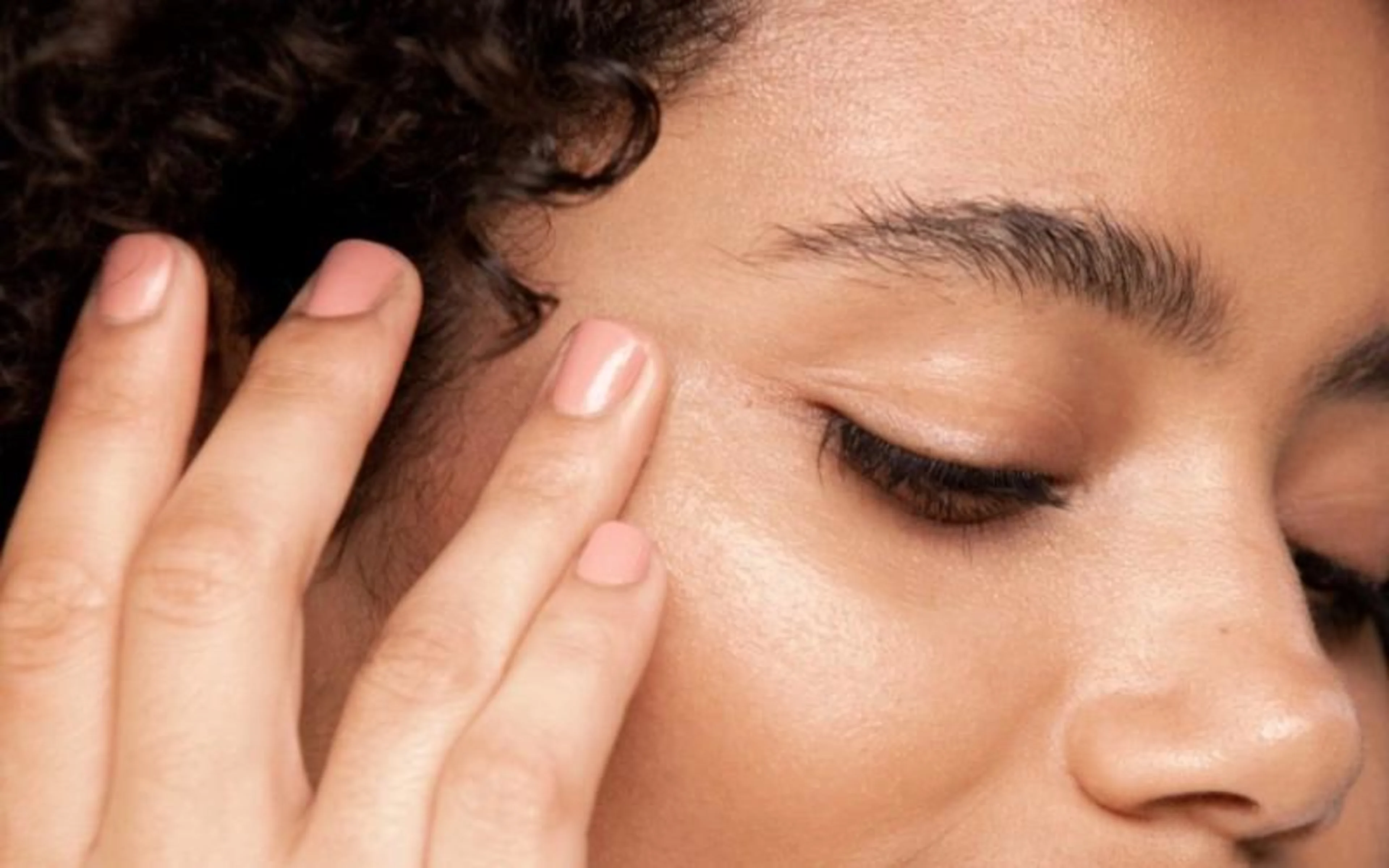
With most things, there are pros and cons to having oily skin. People with oily skin tend to have fewer fine lines and wrinkles, but when oily skin isn’t under control, the complexion can look shiny or greasy and cause unwanted breakouts. Ahead, we discuss what oily skin is, what causes oily skin and ways to address an oily skin appearance.
What is oily skin?
In oily skin, the sebaceous glands produce more oil than the skin typically needs. This causes enlarged pores and a shiny skin appearance with excess oil on skin’s surface. As a result, this skin type is more prone to blemishes and blackheads.
With oily skin, the key is striking a balance. It’s tempting to cleanse, exfoliate and mattify your oily skin away, but beware, this can make things worse

How do I know if I have oily skin?
If you frequently feel like you have what can be described as a greasy face or an oily face, there's a good chance you have oily skin. However, if you're not sure, you can use blotting sheets to test it. To do so, dab one blotting sheet on your cheeks, another on your forehead, and another on your nose—then hold them up to the light. If all three of the sheets are saturated in oil, it's reasonable to believe that you have oily skin. (Note: Normal skin will show only light oil stains from all areas of the face, while oily skin will show an abundance of oil from all areas.)
Do you often feel like your skin - particularly your T-zone (forehead, nose, and chin) - is greasy or oily? Are you prone to breakouts, blackheads, and find that your makeup tends to “slide off” throughout the day? Then you may have oily skin. If you’re unsure, the good news is that there’s a simple test you can do. Simply get some blotting sheets and dab one on your forehead, one on your nose, and one on your cheeks. Hold them up to the light and see what they look like. If they’re saturated in oil, it’s highly likely that you have oily skin. If they only show light oil stains (which is perfectly normal as all skin produces oil to some extent), you probably have normal or combination skin.

What causes oily skin?
Understanding why you have oily skin is important, as it can help you manage it effectively. On a surface level, oily skin is caused by an increase in oil production from the sebaceous glands. If we dig a little deeper, we’ll find that this can be triggered by a variety of internal and external factors - from genetics to using the wrong skincare products. So, let’s delve into the main factors that can contribute to oily skin:

Genetics
Oily skin tends to run in families. If one of your parents has oily skin, you're likely to have overactive sebaceous glands, too.
The primary cause of oily skin lies in your unique genetic make-up. If oily skin runs in your family, there’s a good chance you’ll have it too. This hereditary trait means that your sebaceous glands are overactive and produce more oil than necessary. While you can’t control this, you can adjust your skincare routine to include products designed specifically for oily skin.
Age
While you don't necessarily grow out of oily skin, your skin will indeed produce less sebum as you age. Aging skin loses protein, such as collagen, and the sebaceous glands slow down.
Younger skin tends to produce more oil, especially in times of high hormone fluctuations. As we age, our sebaceous glands slow down, resulting in a decrease in oil production. So, if you have oily skin now, the good news is that this may improve in the future. Make sure to switch up your skincare routine as you age to accommodate for these changes.
Where you live and the time of year
People tend to have oilier skin in hot, humid climates. You're also more likely to have more oil on your skin during the summer than you would in the fall or winter.
A hot and humid climate creates the perfect storm for oily skin. Heat causes the sebum in the skin to go from waxy to oily, and humidity adds even more moisture into the mix. As a result, your skin appears noticeably more greasy and oily. This can also lead to clogged pores and breakouts, so it’s worth changing your skincare routine along with the seasons - or on your next holiday.
Enlarged pores
Sometimes your pores can stretch out due to age, weight fluctuations, and previous breakouts. Larger pores also tend to produce more oil.
Larger pores generally produce more oil. While the size of your pores is mainly dictated by your genes, they can also become enlarged due to a variety of reasons, including weight changes, previous acne damage and age.
Using the wrong skin care products
Oily skin can also be brought on by using the wrong skin care products for your skin type. Some people mistake combination skin for oily skin, and they might use too heavy creams, for example.
Skincare is created to cater for different skin types - and for good reason. Different ingredients and formulations target specific skin concerns, and using the wrong products can exacerbate rather than resolve issues. For example, if your skin is oily and you use heavy creams and comedogenic formulas, you might be inadvertently clogging your pores and making your skin even oilier. So, make sure to only choose products designed for your skin type.
Overdoing your skin care routine
On the flip side, washing your face or exfoliating too often can also make your skin oily. This can seem like an oxymoron, since the purpose of washing and exfoliating is to get rid of oil.
Exfoliating and washing your face as often as you can may instinctively feel like the right thing to do. After all, isn’t the goal to get rid of the oil? While it may seem logical, your skin doesn’t quite work that way. Over-washing and exfoliating too regularly can strip your skin of its natural oils, leading it to produce even more oil than usual to compensate. So, stick to a gentle, consistent skincare routine for oily skin instead.
Skipping your moisturizer
It's a myth that moisturizer causes oily skin. In fact, if you're using acne treatments such as salicylic acid or benzoyl peroxide, you definitely need a good moisturizer to keep your skin from drying out. Without moisturizer, any skin type will dry out.
Again, this may seem counter-intuitive. But rest assured, it’s a myth that using moisturizer exacerbates or even causes oily skin. In fact, it’s an essential step to include in your oily skin routine. This is because the ingredients included in products for oily and acne-prone skin (such as salicylic acid or benzoyl peroxide) can cause your skin to dry out. So, don’t skip this important step, it will do more harm than good.
Does skin get oilier during summer?
In oily skin, the sebaceous glands produce more oil than the skin typically needs. This causes enlarged pores and a shiny skin appearance with excess oil on skin’s surface. As a result, this skin type is more prone to blemishes and blackheads.
With oily skin, the key is striking a balance. It’s tempting to cleanse, exfoliate and mattify your oily skin away, but beware, this can make things worse

Summer Skincare Tips:
1.Look for lightweight formulas
If you have oily skin, forget rich moisturisers, as these can make the skin feel coated and greasy, leading to clogged pores. Instead, the key is to use lightweight products that tackle your specific concerns without weighing skin down. We recommend Superfood Day Cream, a lightweight, nutrient-rich formula with prebiotics to help support the skin's barrier.
2.Avoid Hot Showers
Although we do recommend taking a shower after a day at the beach or by the pool (this will help to remove sebum that can clog the pores), very hot water cold can actually cause harm by severely drying out the skin. This can in turn stimulate excess sebum production, resulting in oilier skin.
3.Reduce use of harsh topical treatments
These can often contain drying ingredients that can aggravate skin. Reduce usage to every other day.
How do I control oily skin?
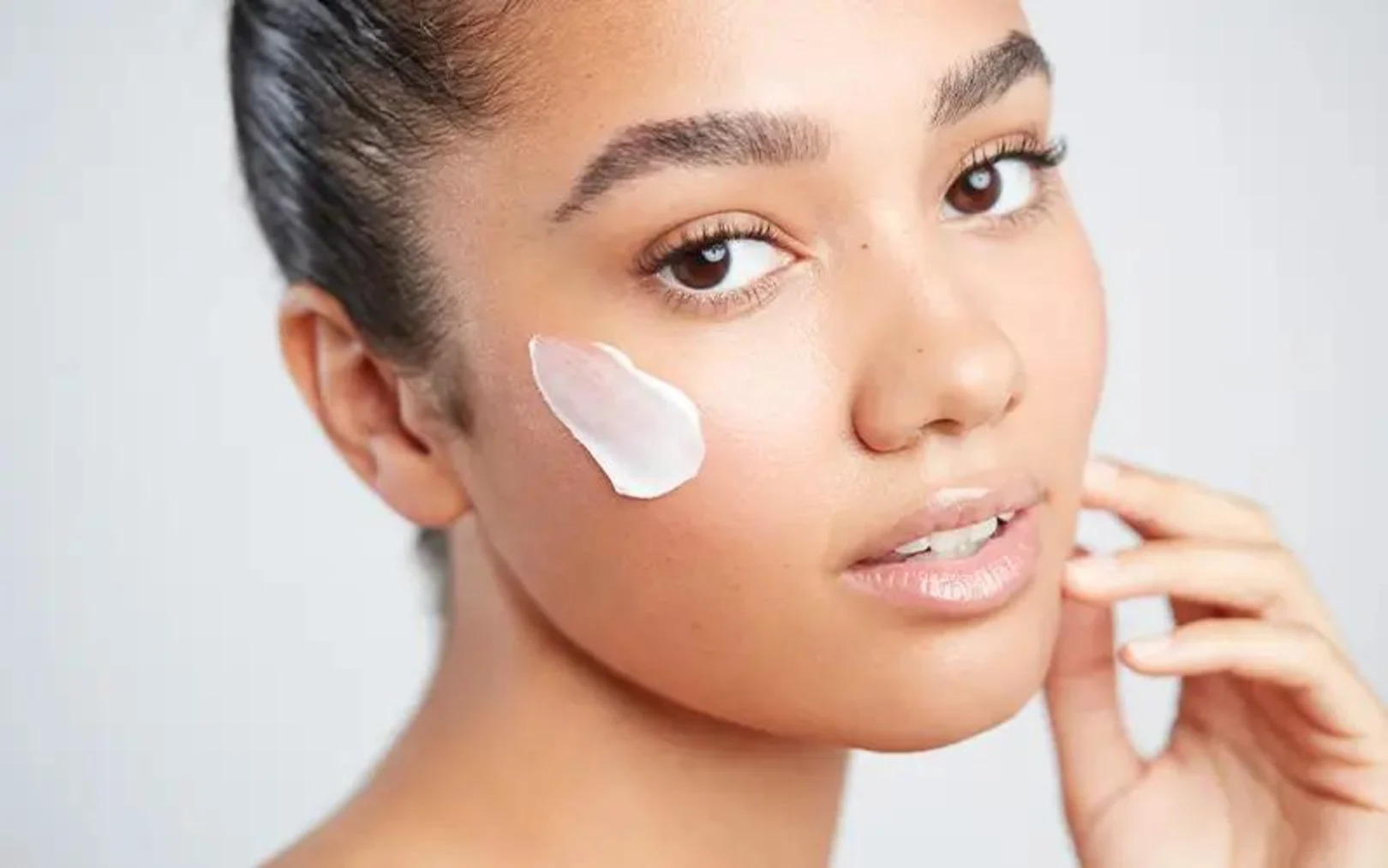
If you’re battling a shiny face by lunchtime or constantly reaching for mattifying makeup, it could be time to examine your daily skincare routine.
At home, your first step in preventing an oily skin appearance is to steer clear of alcohol-based cleansers and toners that can strip the skin of essential oils and fatty acids. Even though your skin may feel squeaky-clean at first, this will only lead to increased oil production in the long term as the skin looks to counteract the enforced dryness. Instead, look for balms, creams and oils–yes, oils–to cleanse, and follow with a pH-balancing toner.
The biggest myth when it comes to controlling oily skin is that facial oils will only exasperate the problem. In fact, the opposite is true. “Believe it or not, oily skin needs oil!” explains Noella Gabriel, Co-Founder of ELEMIS. “It can be a difficult concept to relate to, but oil on oil results in stabilising the oil flow and calming the skin. Look for products with oil-balancing properties. Brazilian Babussu Oil, Moringa Oil, Lavender, Myrhh, Willow, Nettle and Silver Birch all stabilise oil flow, reduce shine and help to heal blemishes.”
After your cleanser, toner and targeted treatment, layer on a lightweight moisturiser with sebum-balancing actives. This will seal in the nourishment beneath and help to optimize your skin’s natural moisture content.
Now, let’s talk makeup. With your oily skincare routine in place, you don’t want your cosmetics compromising the hard work of your skincare. Anything too heavy–typically oil-based makeup–will clog the pores and accelerate oil production. Instead, opt for water-based and non-comedogenic makeup, such as a smoothing primer beneath an oil-free liquid foundation for coverage that won’t slip throughout the day.
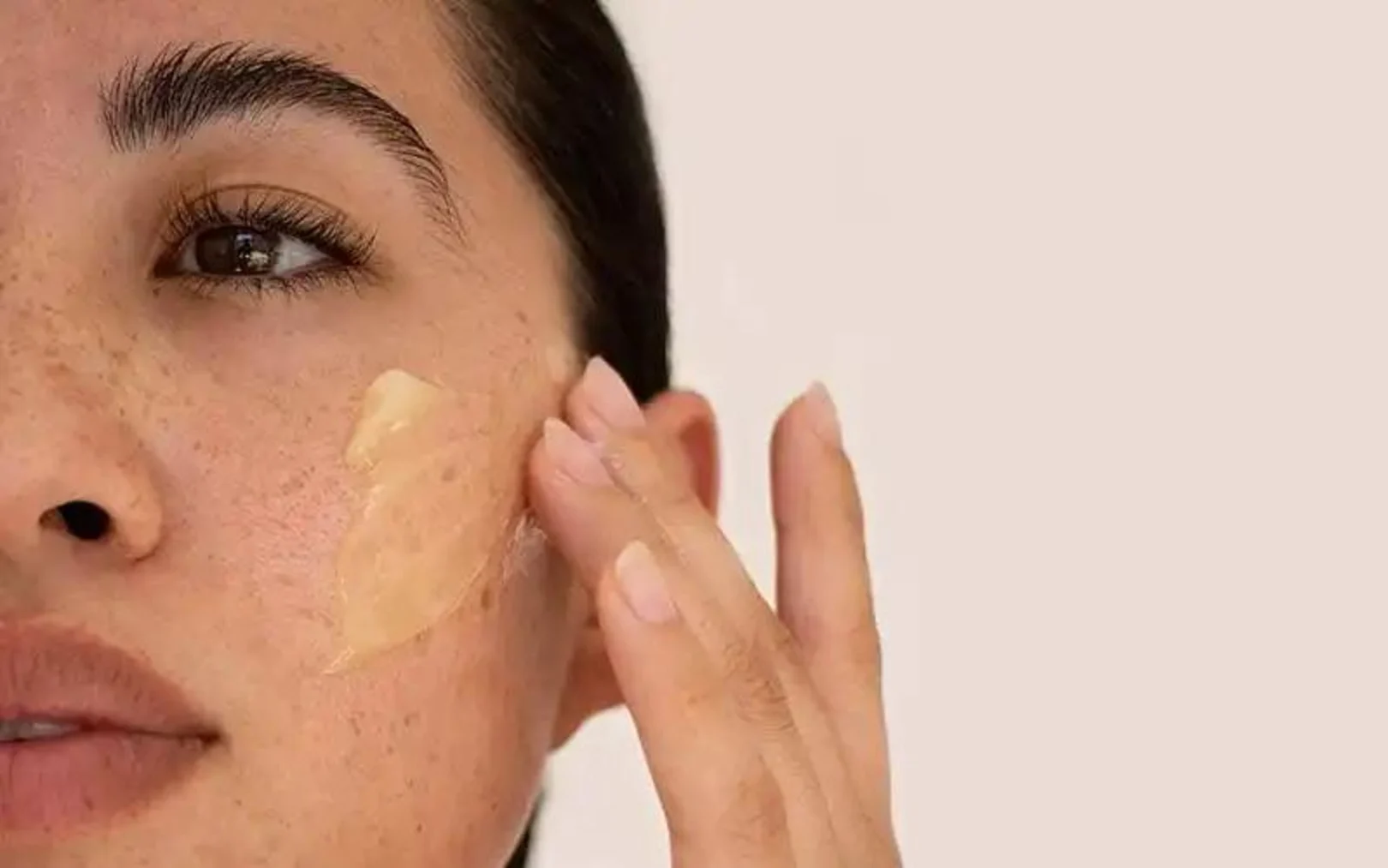
The best ELEMIS skincare products for oily skin:
The Best Cleanser for Oily Skin
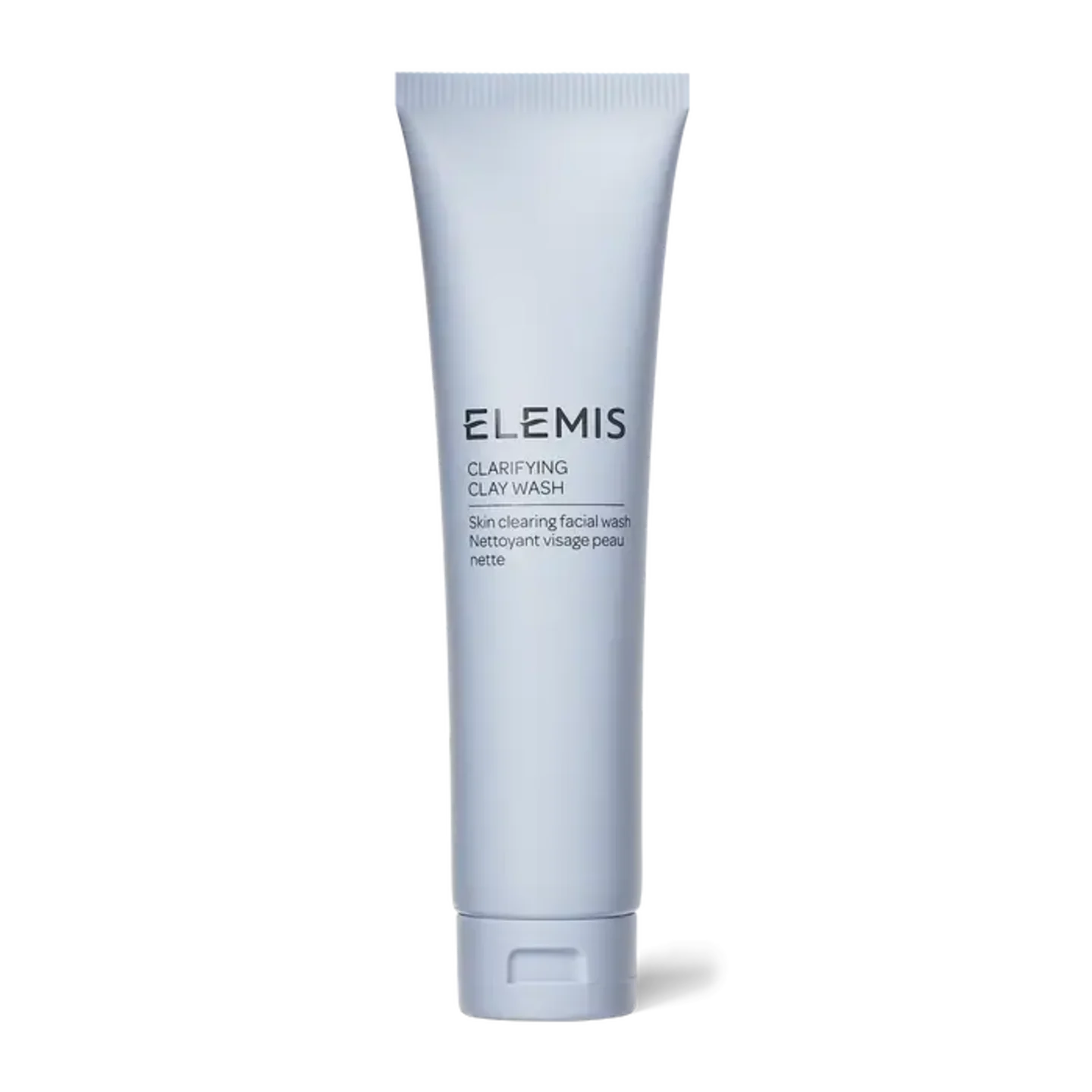
Cleansers for oily skin need to deeply cleanse and purify without upsetting the delicate balance of the skin barrier. Pro-Collagen Cleansing Balm is a 3-in-1 textured cleanser that dissolves long-wear makeup, daily grime and pollutants, leaving skin refreshed and nourished. For an invigorating double-cleanse, follow with Clarifying Clay Wash.
Use: Every morning and evening
The Best Toner for Oily Skin
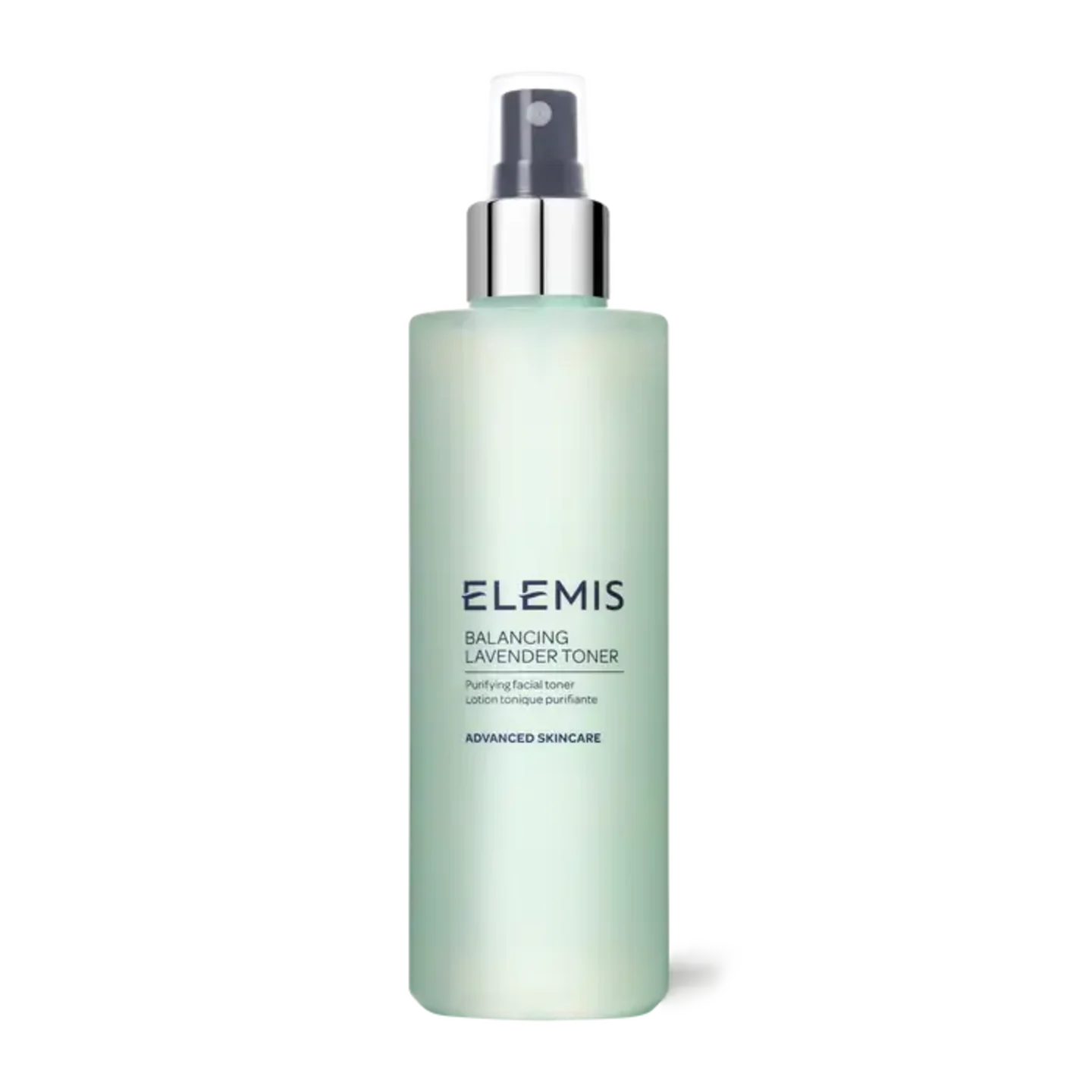
With lavender at its core, Balancing Lavender Toner helps control excess oil flow, helping to maintain the skin’s natural pH level without the use of alcohol or other harsh detergents. This hydrating formula balances and softens the skin whilst leaving it looking and feeling fresh.
Use: Every morning and evening after cleanser
The Best Facial Oil for Oily Skin
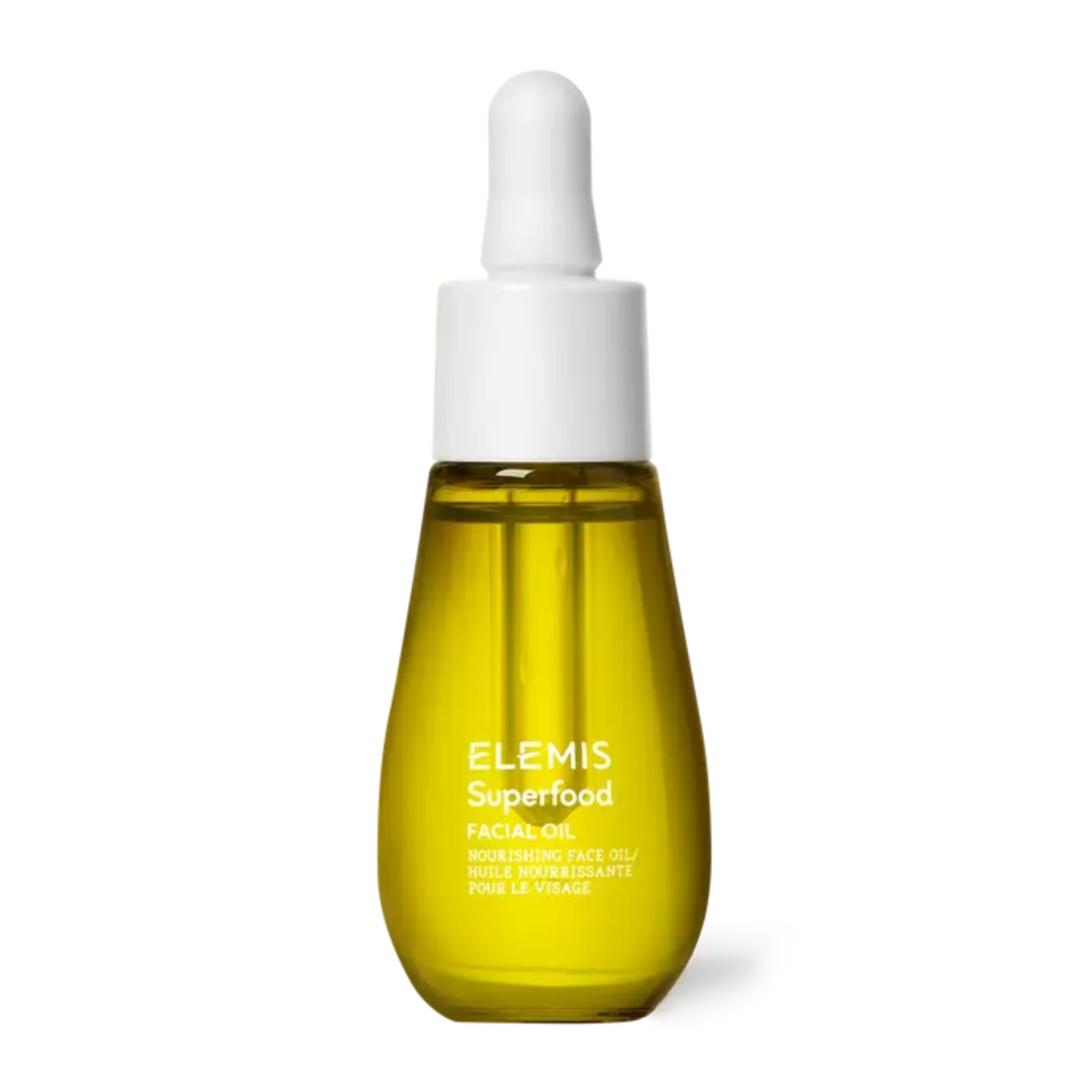
Every ELEMIS oil is formulated for all skin types, but the Superfood Facial Oil is a nutrient-dense blend that is particularly good for controlling oily skin. It is packed with antioxidant and omega-rich extracts of Broccoli, Flax Seed and Daikon Radish to feed the skin, ensuring a balanced, healthy-looking complexion with improved radiance.
Use: Morning and/or evening after toner
The Best Facial Mask for Oily Skin
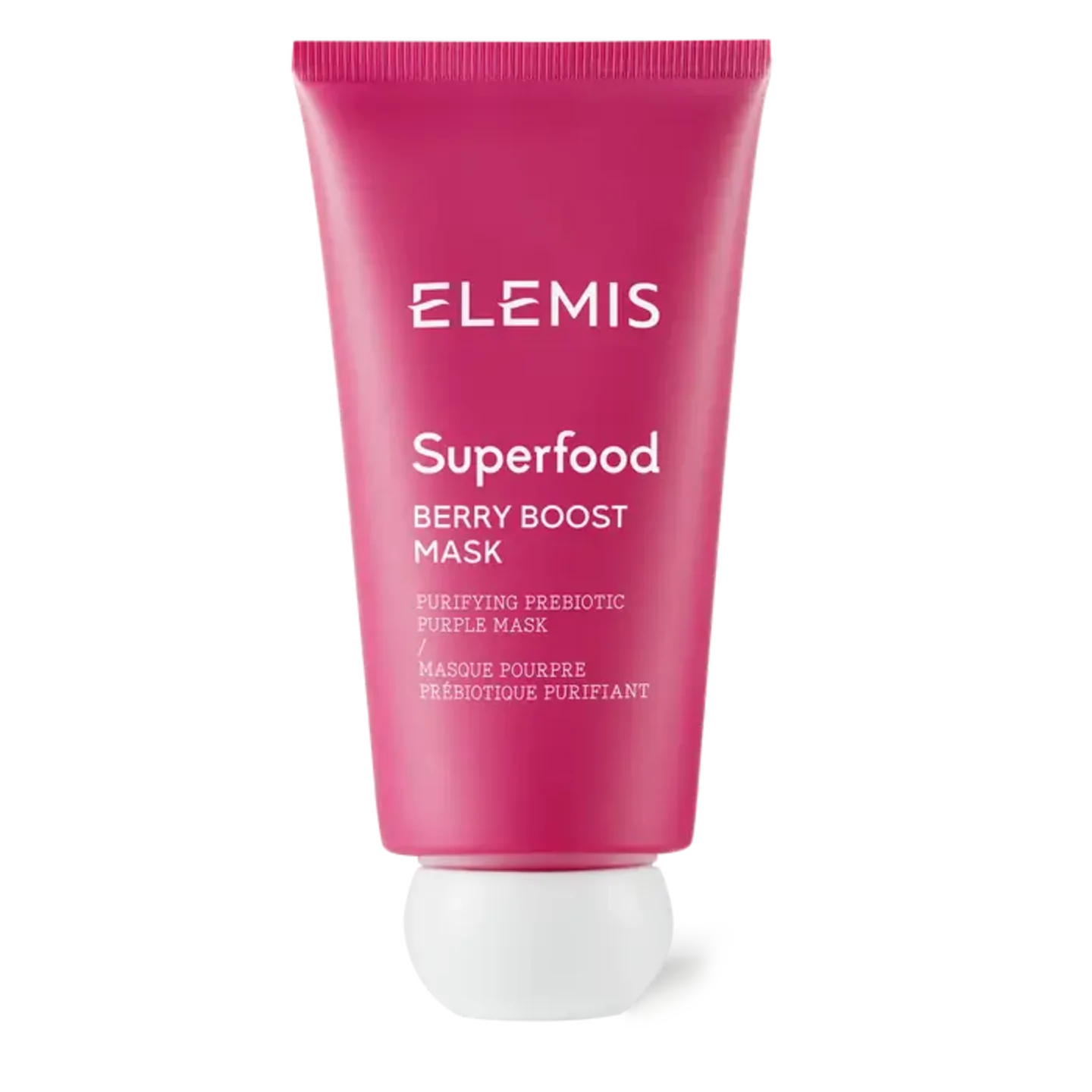
In just 10 minutes, this oil-absorbing face mask will refresh an oily complexion. Yes, we’re talking about the Superfood Berry Boost Mask formulated with Brazilian Purple Clay, Nordic Bilberry Extract and Grape Seed Extract. This purifying treatment helps to balance the skin and absorb excess oil for a fresh, clear and mattified appearance. Creamy and hydrating, this formula is enriched with a Prebiotic naturally derived from sugar to help maintain balance in the skin’s microflora, which is essential to skin health.
Use: Twice a week after cleanser and toner
The Best Moisturiser for Oily Skin
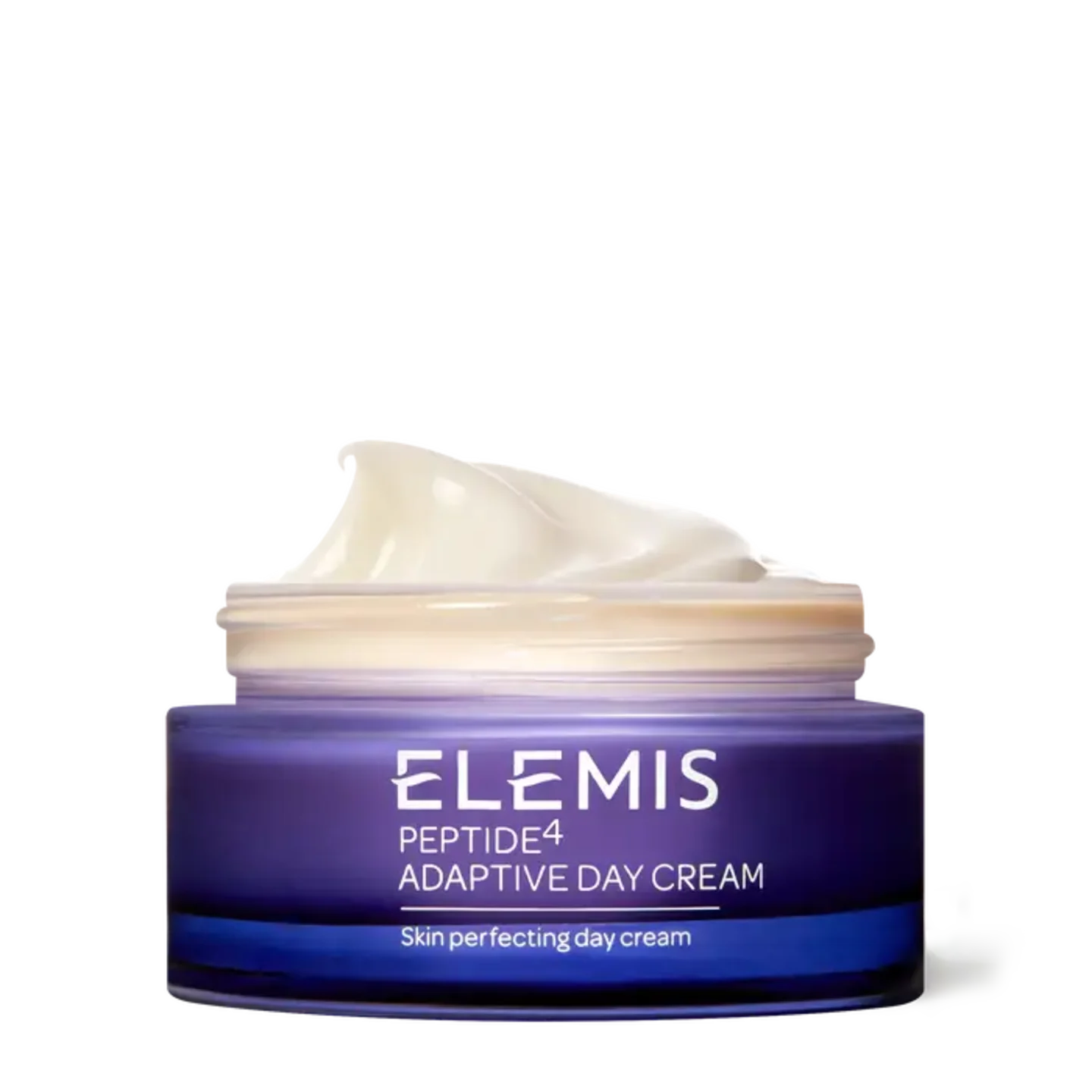
Peptide4 Adaptive Day Cream is a multi-tasking, daytime moisturiser ideal for oily skin types. Adapting to your skin's needs throughout the day, skin stays looking soft, smooth and even with a velvety-matte finish, even past lunchtime. This featherlight formula texture primes, blurs and balances skin whilst delivering an instant burst of cooling hydration.
Use: Every morning after cleanser, toner and facial oil
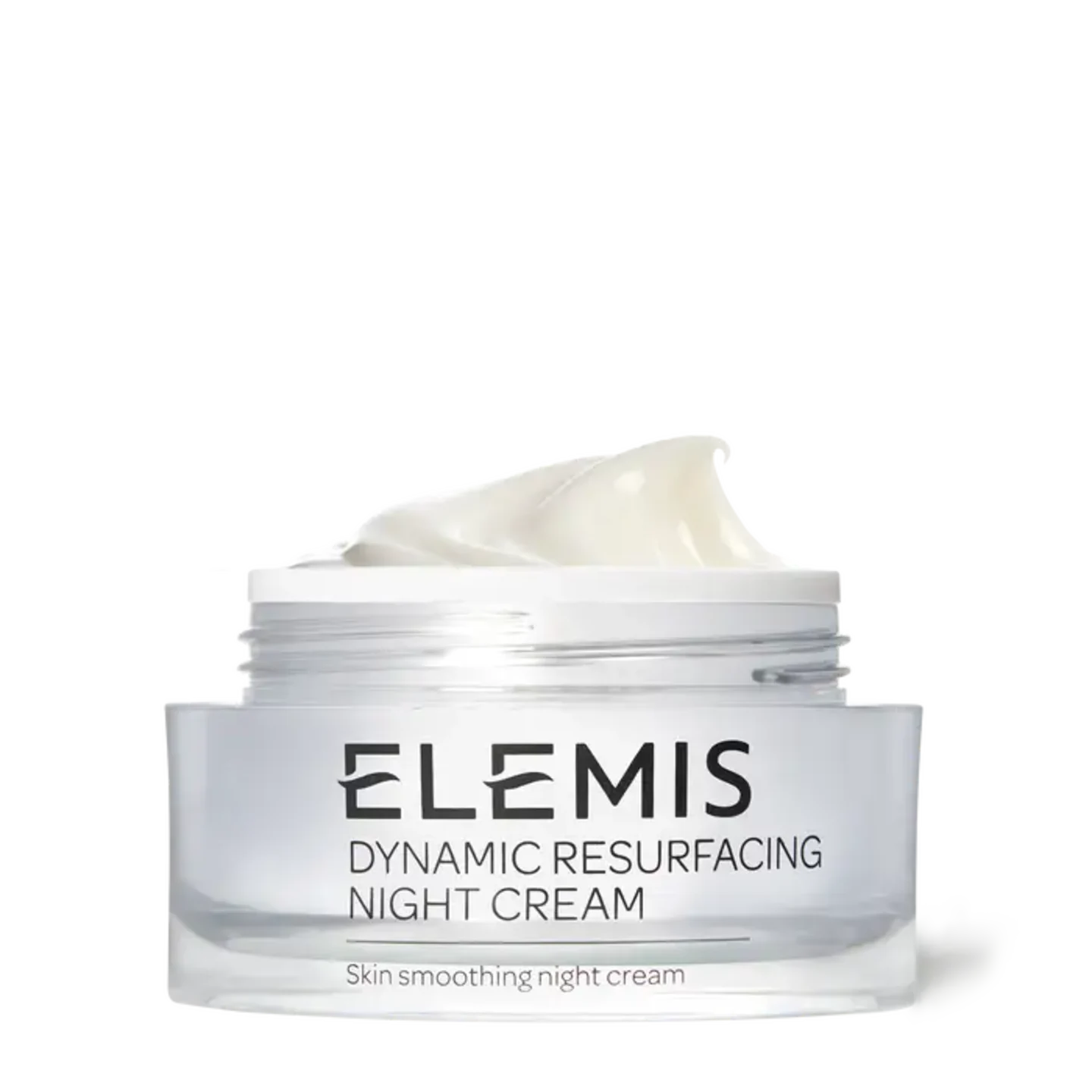
The Best Night Cream for Oily Skin
Switch out your heavy textured night cream for something more lightweight and targeted. Our skin-smoothing Dynamic Resurfacing Night Cream with patented Tri-Enzyme technology helps to break up the layer of dead cells on skin’s surface that accumulates throughout the day. This is great for oily skin types who are dealing with excess oil which ends up combining with dead cells and clogging pores.
Use: Every evening after cleanser, toner and facial oil
Treating oily skin requires you to make skincare and cosmetic choices that help you strike a healthy balance between removing excess oils and keeping the skin barrier hydrated. You don’t want to over-cleanse and strip your skin or use moisturisers that are too heavy. Oil dissolves oil, as farfetched as that sounds. Look for makeup that’s water-based and non-comedogenic, and never go to bed with it on. Find healthy ways to keep stress levels low, such as a daily self-care ritual. Implement these oily skin tips and shine-free skin is closer than you think.
Be sure to join our newsletter for the latest product launches, exclusive offers, and inspiration for your skin care regimen.