Hyperpigmentation: Causes and How to Treat It
2022-08-30
Hyperpigmentation is a very common skin concern, and with it often comes frustration about how to treat and prevent it in the first place. Whilst you may feel defeated and like you have tried all possible methods, when armed with the right knowledge and products, hyperpigmentation can be significantly improved. Read on to learn more about the different types and causes of pigmentation, as well as some top tips on how to handle it.
What is Hyperpigmentation?
Hyperpigmentation occurs as a result of the skin overproducing melanin, the pigment that gives skin its colour, in response to an injury, lifestyle factors or due to an underlying condition. As a result, some areas of the skin appear darker than others, creating patches that can look discoloured. There are three main causes of hyperpigmentation: sun exposure, inflammation, and hormonal fluctuations.
Types of Pigmentation
1. Sun Exposure
Prolonged periods of sun exposure trigger excess melanin production, meaning that small, dark patches of skin can start to appear. These are called sun spots. Further sun exposure can make these appear even darker, as well as leading to more appearing.
2. Blemish Scarring
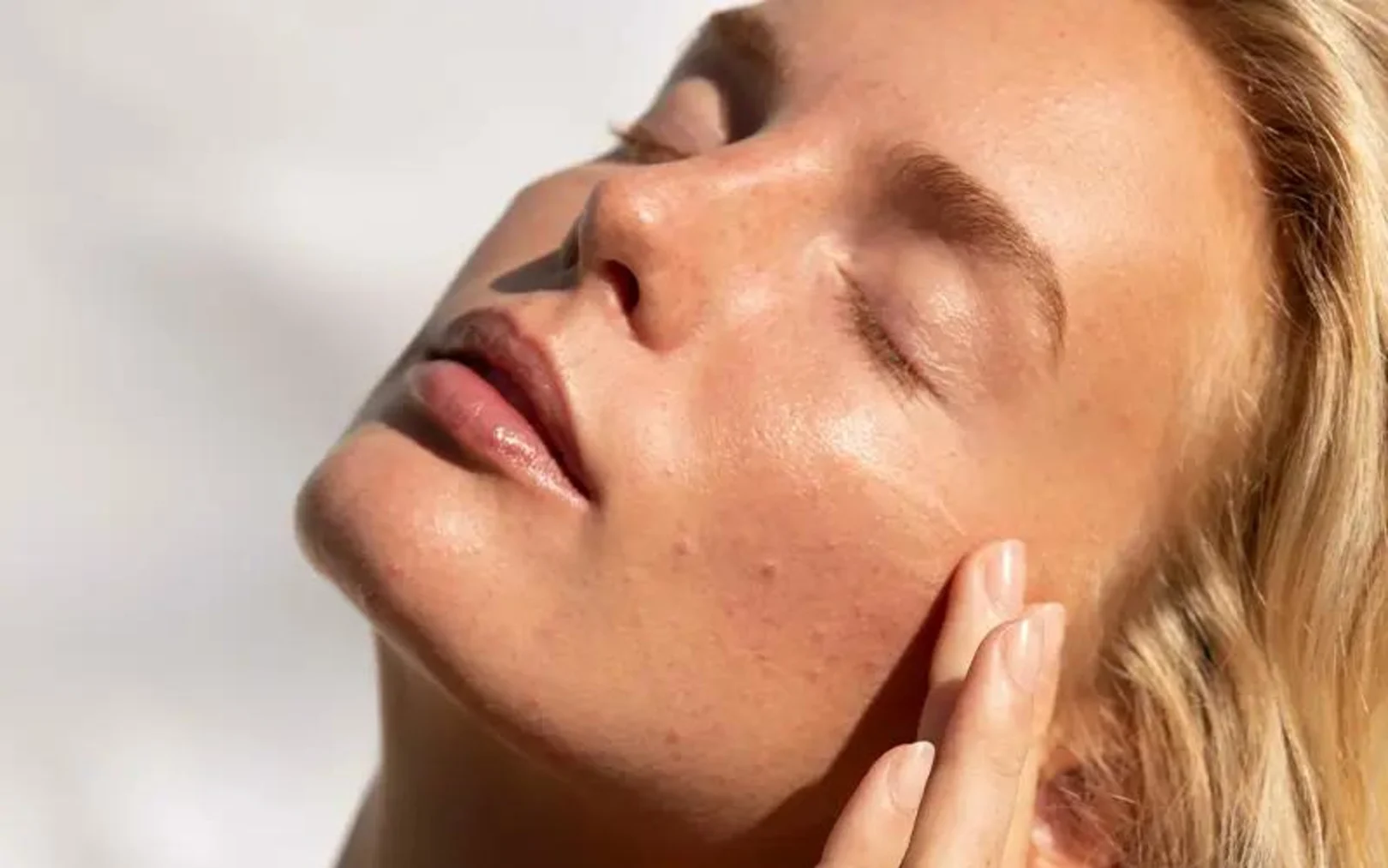
When a blemish causes inflammation, the skin releases more melanosomes. These pigment molecules help to protect the skin, but they also darken it, and can remain after the blemish has fully healed. This is sometimes referred to as post-inflammatory hyperpigmentation, or PIH. It can be more common in darker skin tones due to the presence of more melanin.
3. Hormonal Changes
This type of hyperpigmentation occurs when the level of certain hormones in our body change – this is often as a result of pregnancy, or the use of a certain medications such as HRT.
How to Reduce Pigmentation
Sun Protection
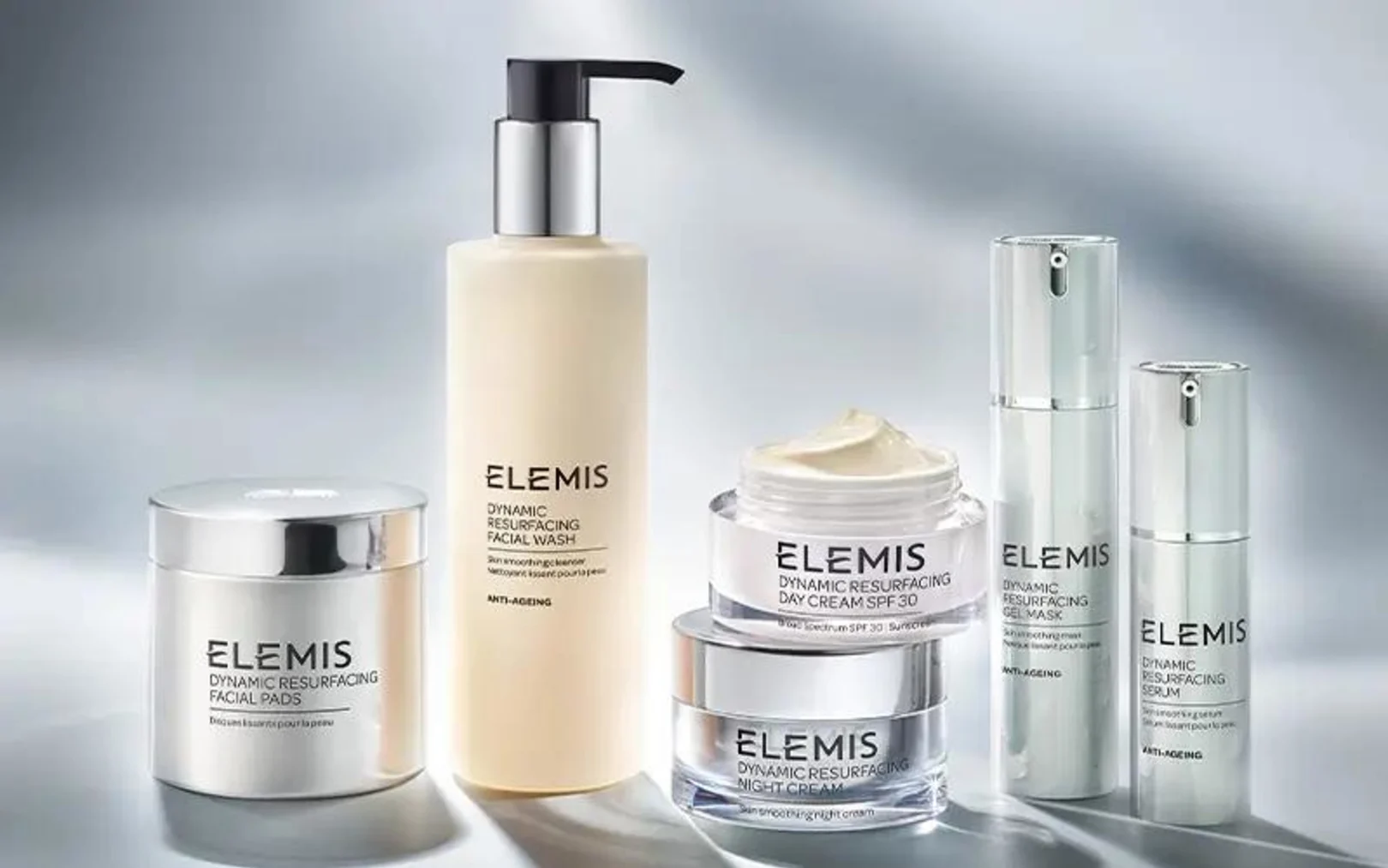
Apply sun protection daily, even on cloudy days (UV rays can still penetrate and reach your skin through a layer of cloud). Also, try to limit time spent in direct sunlight, especially during its most intense hours (11am-3pm), and when possible, wear protective clothing such as sunglasses and a hat. Our Dynamic Resurfacing Day Cream SPF 30 provides invisible broad-spectrum UVA and UVB protection.
Incorporate Vitamin C into your Skincare Routine
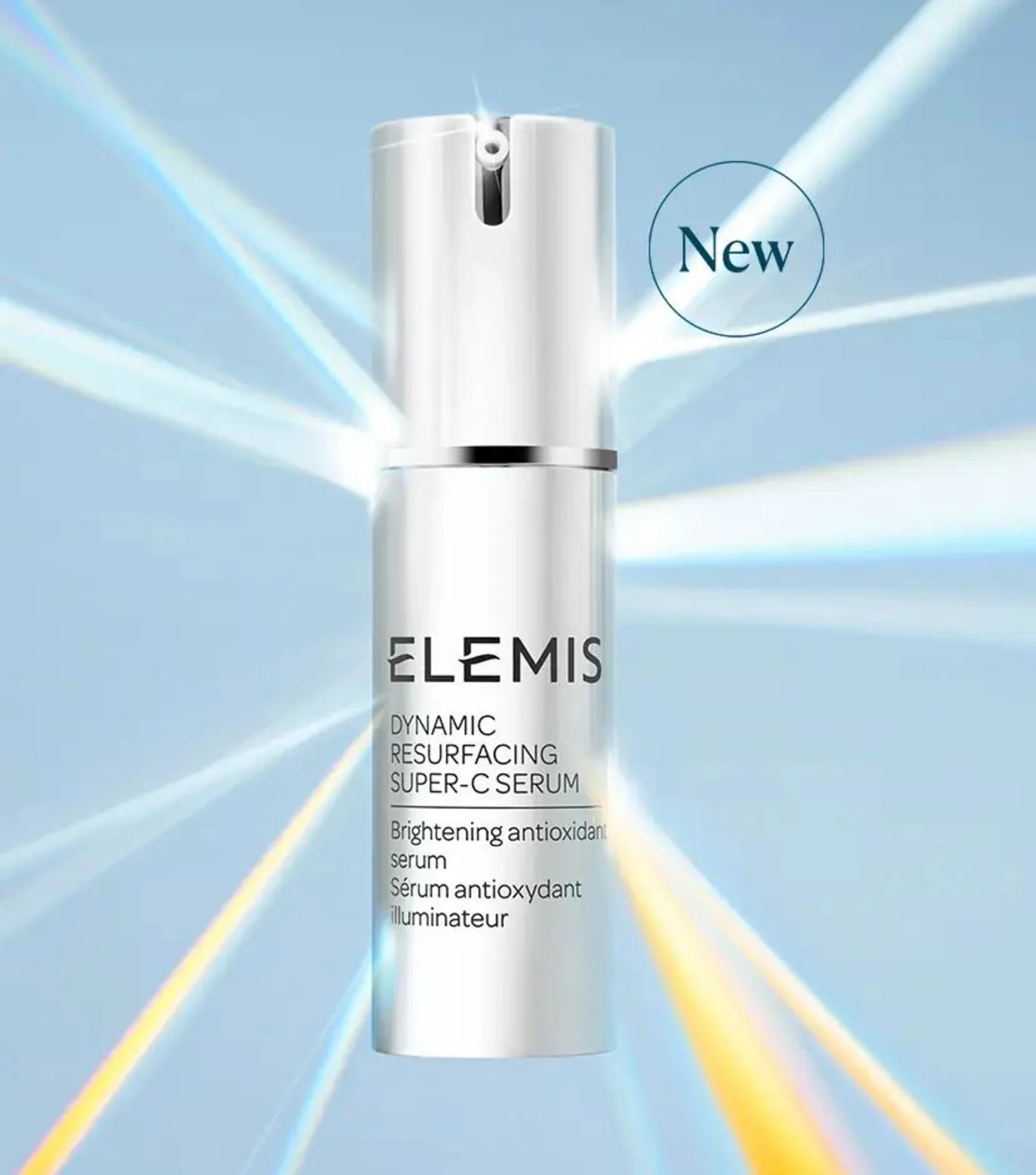
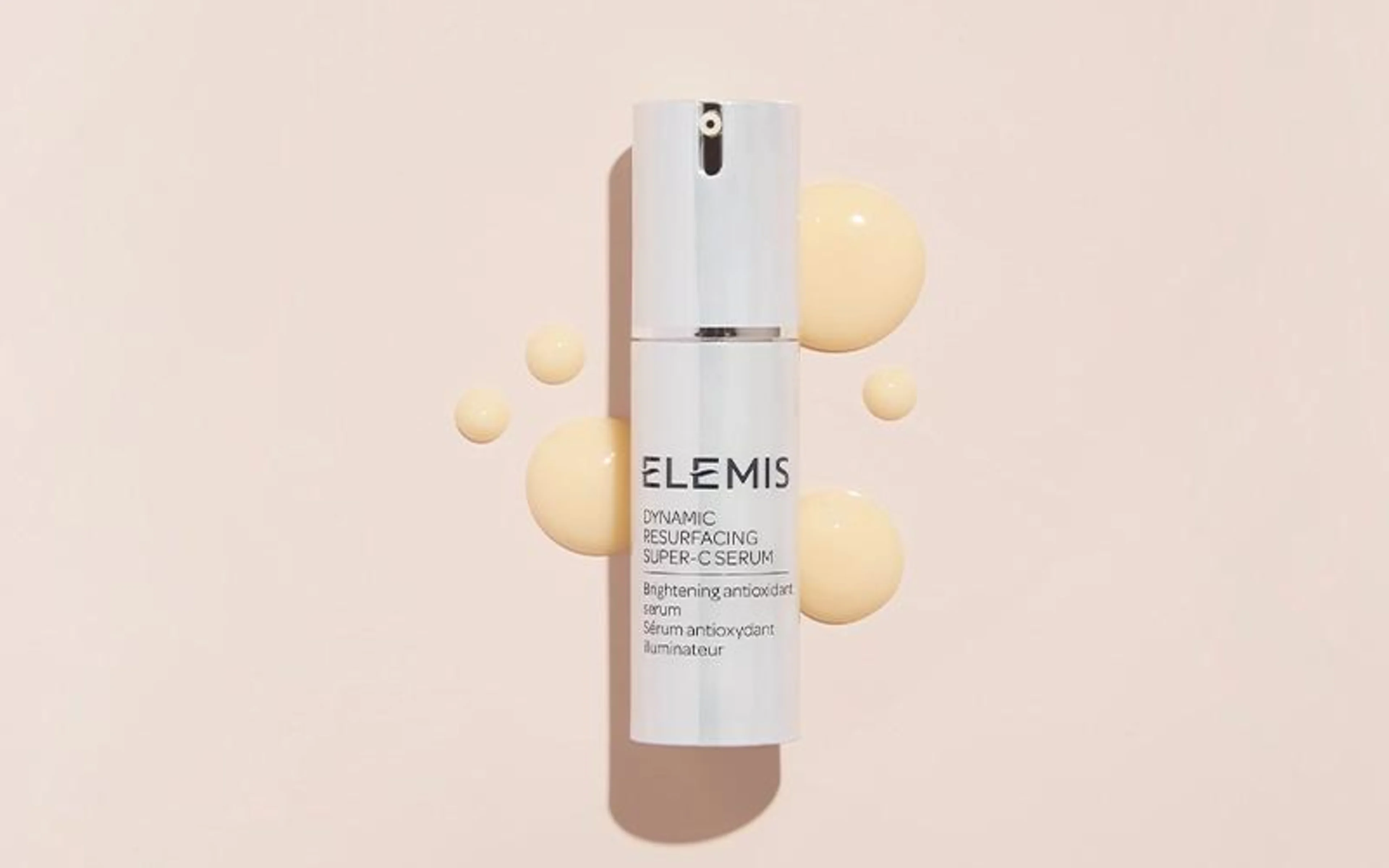
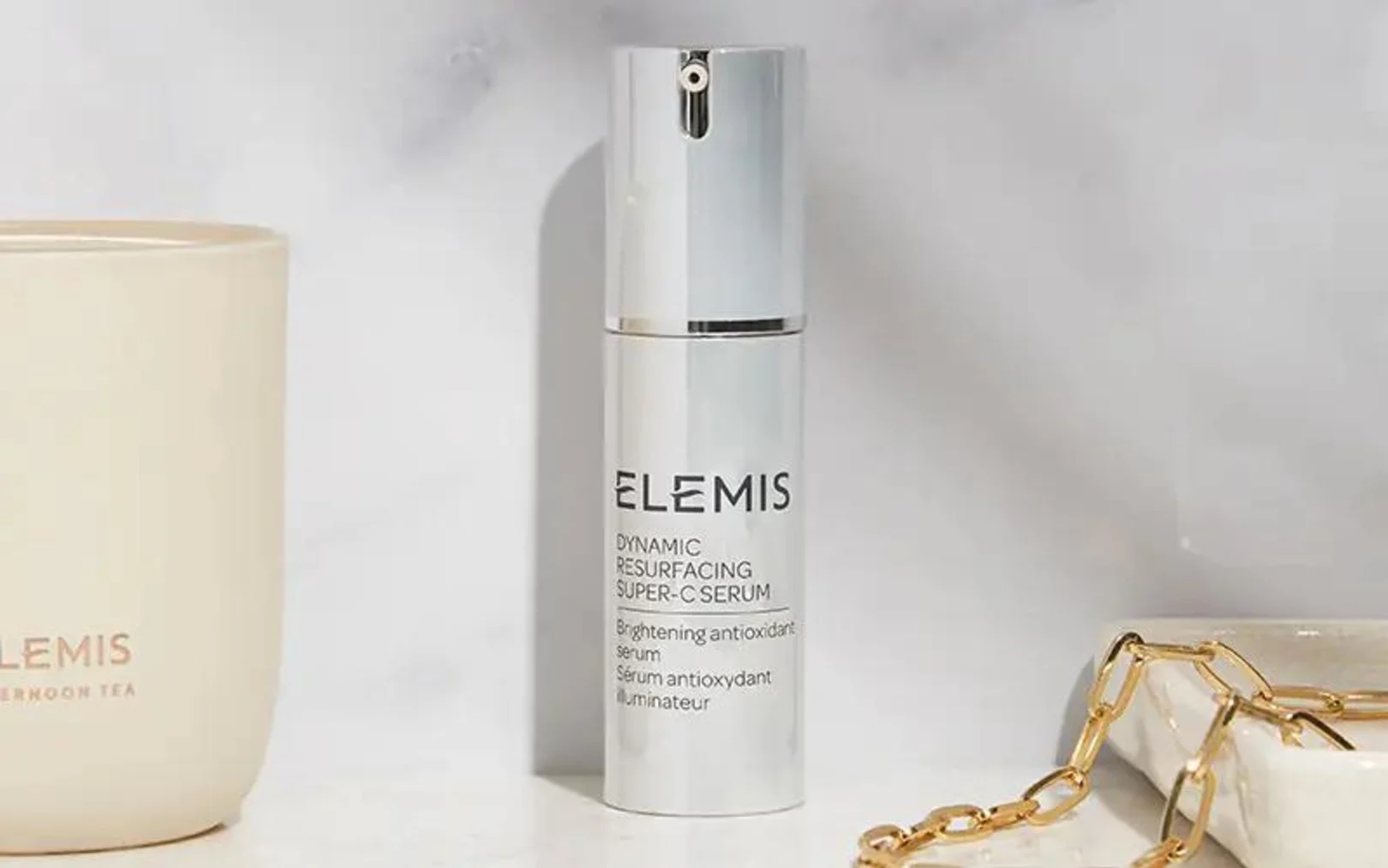
Vitamin C is thought to help inhibit the production of melanin, which can help to even out the skin tone. It is also known to help neutralise oxidative stress, enhancing skin’s overall health – find out more about the benefits of Vitamin C in our blog post here. Our NEW Dynamic Resurfacing Super-C Serum contains a highly stable and potent Vitamin C derivative, and has been clinically proven to show three times brighter skin in 28 days.*
Try to Reduce Stress
When the body’s stress reaction is triggered, it induces the melanocytes to produce more pigment, which is then absorbed by other skin cells, leading to them appearing darkened. To unwind after a long day, transform an ordinary bath into a relaxing escape with our Skin Nourishing Milk Bath, which will leave skin soft and moisturised. Follow up with our De-Stress Massage Oil to soothe both body and mind with an aromatic mix of essential oils. Add a candle like our Mayfair No 9 to infuse your space with a spa-like aroma and create a calming retreat.
Avoid Touching your Skin
Whilst it can be tempting to pick at a spot before it has healed, doing so will trigger more inflammation and may lead to darker discolouration. Instead, try applying our Herbal Lavender Repair Mask as a spot treatment on affected areas to prevent yourself from touching them. This soothing clay mask clarifies and leaves skin balanced and clear, and will help to reduce discolouration caused by picking.
Our Top 3 Ingredients to Fight Pigmentation
1. Tri-Enzyme Technology
This patented^ trio of enzymes has been known to enhance the visible appearance of skin discolouration, dullness and fine lines. Explore the Dynamic Resurfacing range here.
2. Sodium Ascorbyl Phosphate
This ultra-stable Vitamin C derivative helps to brighten for a visibly more even skin tone, as well as improving the appearance of dullness and firming the skin. Find it in our NEW Dynamic Resurfacing Super-C Serum.
3. AHAs
These exfoliating acids are known to brighten the skin, and kickstart skin’s renewal process and slough away dull or dead skin. Try our Dynamic Resurfacing Skin Smoothing Essence.
Our Top Product Pick
Our NEW Dynamic Resurfacing Super-C Serum is a potent and effective brightening serum that can be used on all skin types. A powerful combination of highly stable Vitamin C derivative Sodium Ascorbyl Phosphate, our patented^ Tri-Enzyme Technology and radiance-boosting actives work together to promote skin renewal, prevent oxidative stress , and reveal a luminous, more even complexion. Apply daily after using cleansers and cleansing balms, and always follow with SPF.