Cleansing Balms for Acne-Prone Skin: Everything You Need to Know
2022-06-09
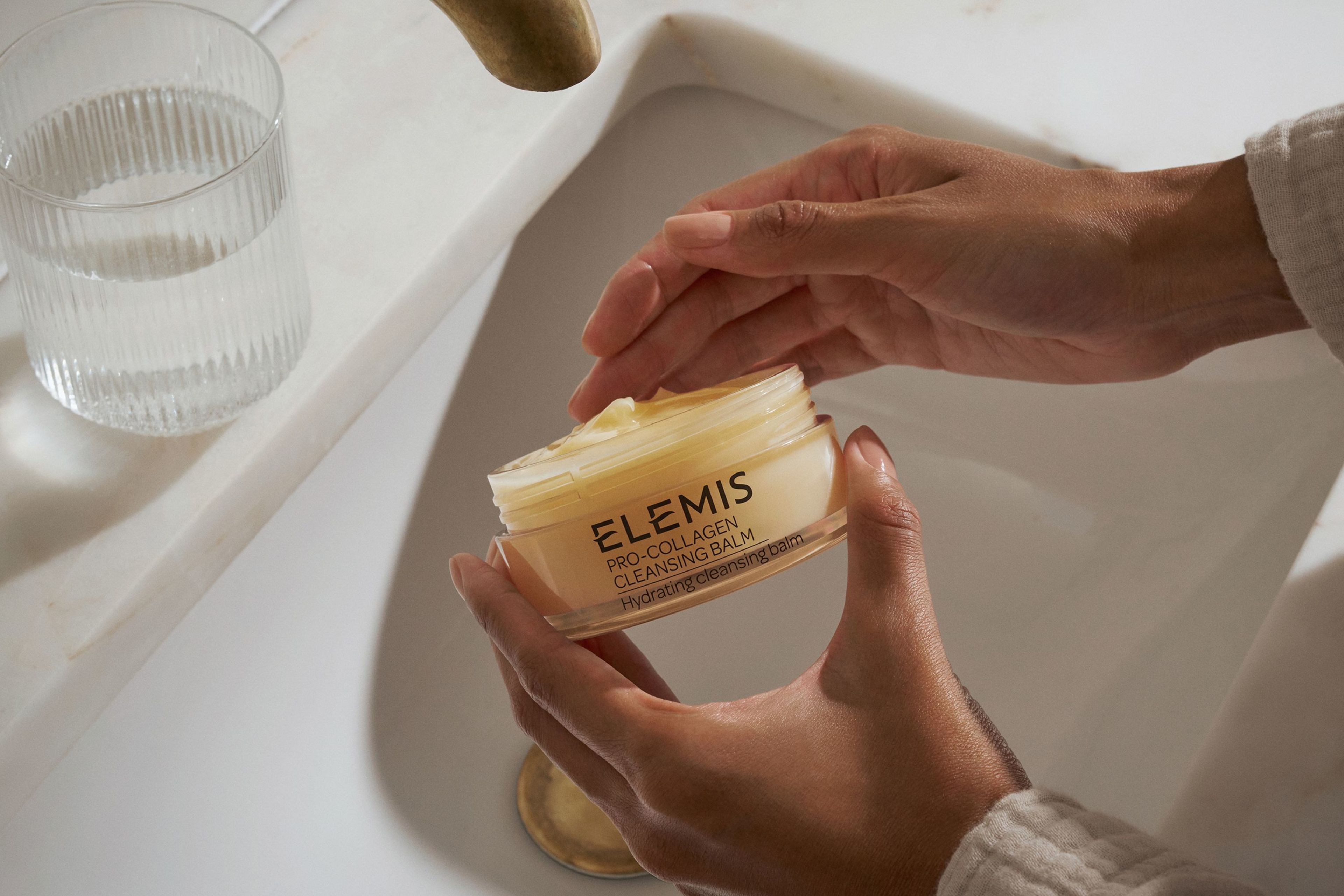
When you’re someone with acne-prone skin, it can be a challenge to find skincare products that gel with your skin. And it can be even more of a challenge to decipher all of the information out there regarding which ingredients are what, what to avoid, to look for and so on. We are here to clear all of that up for you–pun intended–as well as discuss if you should use a cleansing balm on acne-prone skin. Listen, everyone’s skin is unique. It can be comforting to keep in mind that what causes your friend’s skin to breakout may not be what triggers your skin to breakout, and vice versa. So, having an understanding of what causes you to break out can help you make smart skin decisions as you look to incorporate a cleansing balm into your routine.
What causes acne?
You’re probably asking the age-old question: “Why me?” Pimples, whiteheads, blackheads, and under-the-skin nodules can happen for a lot of reasons. Of course, improper skincare and bacteria can all lead to clogged pores and breakouts. But other factors, some of which aren’t caused by personal habits, can play an equally big role.
Genetics and hormonal changes can often lead to acne-prone skin. In other cases, your body is the perpetrator. Your skin is home to healthy bacteria that regulate its pH balance and helps keep blemish-causing bacteria at bay. An imbalance in this microbiome can result in unwelcome bumps. When oily skin gets dry, it can produce excess oil to make up for the lack of moisture. This excess oil can clog up your pores and create an environment that invites breakout-causing bacteria.
More often than not, it just might be the products you’re using. Harsh cleansers can disrupt the skin’s balance and potentially lead to a breakout. Other products can damage your skin’s barrier, which helps keep bad bacteria out of your skin. The good news is, no matter what the cause of your acne, cleansing balms can help you tackle it head on.
Are cleansing balms good for acne-prone skin?
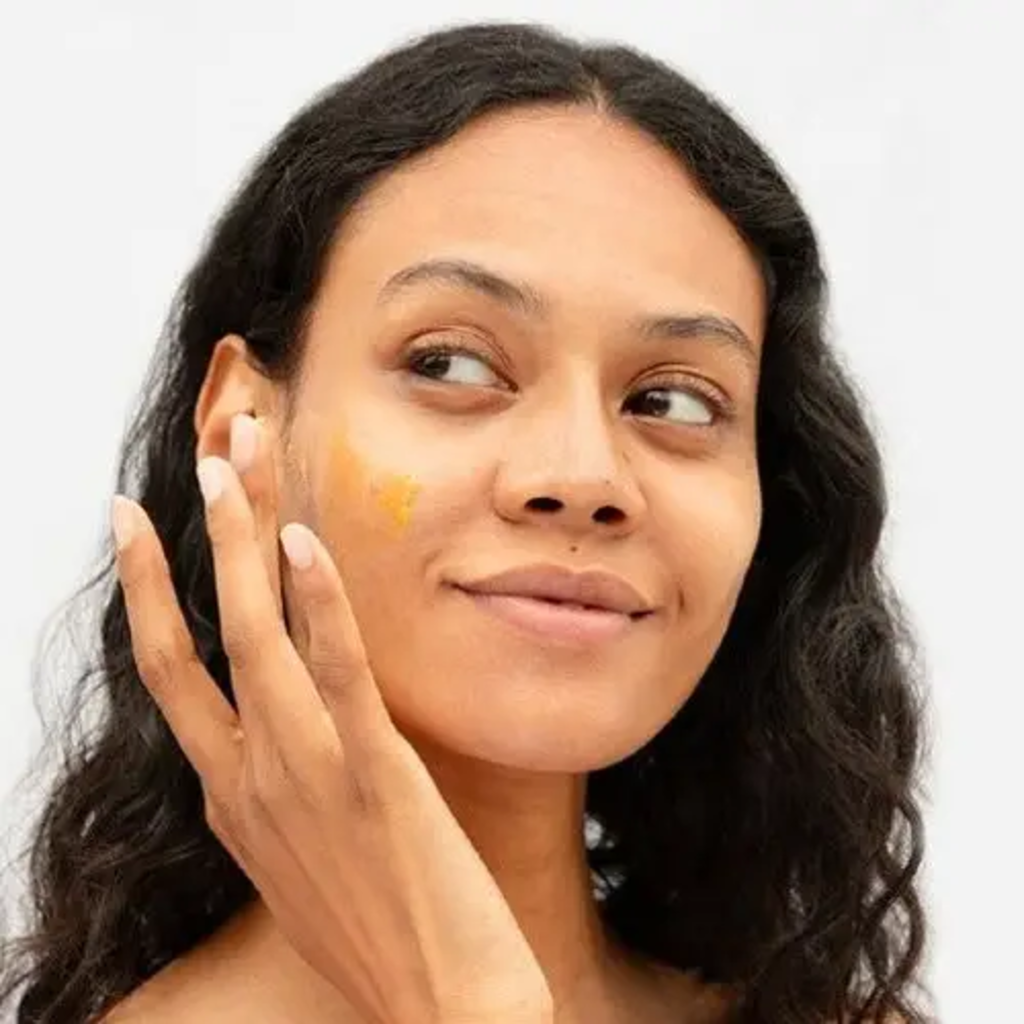
When you double cleanse using a cleansing balm, you are effectively removing more clinging makeup, sunscreen and impurities that otherwise might have stuck around and caused you to break out.
Since cleansing balms are so gentle and hydrating, they can be used both morning and night, applied directly to dry skin. And with acne-prone skin, you may prefer this cleansing solution over makeup remover wipes that may compromise the skin’s barrier from texture or friction.
If the skin is over-exfoliated, redness and irritation may occur which can trigger breakouts.
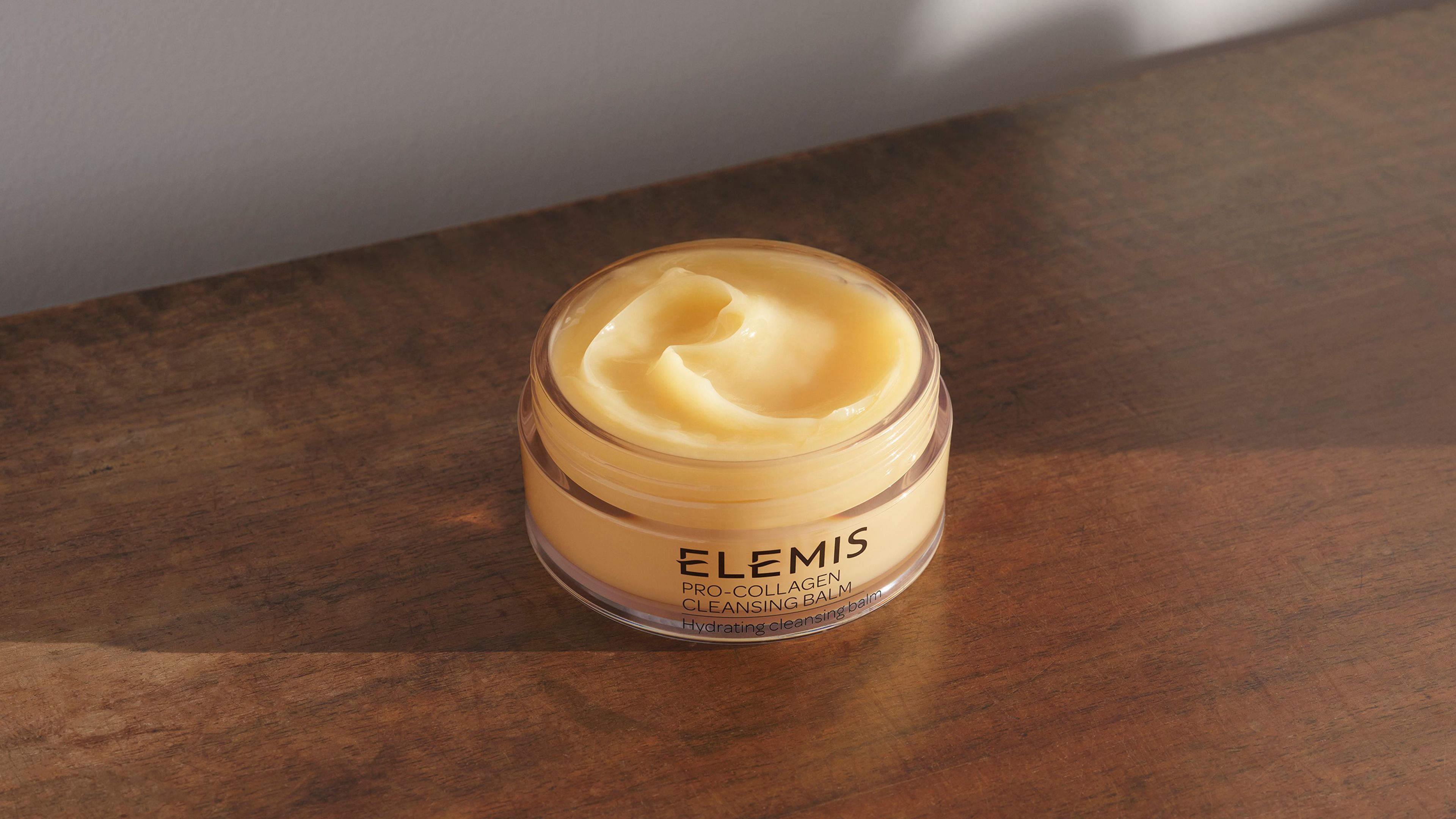
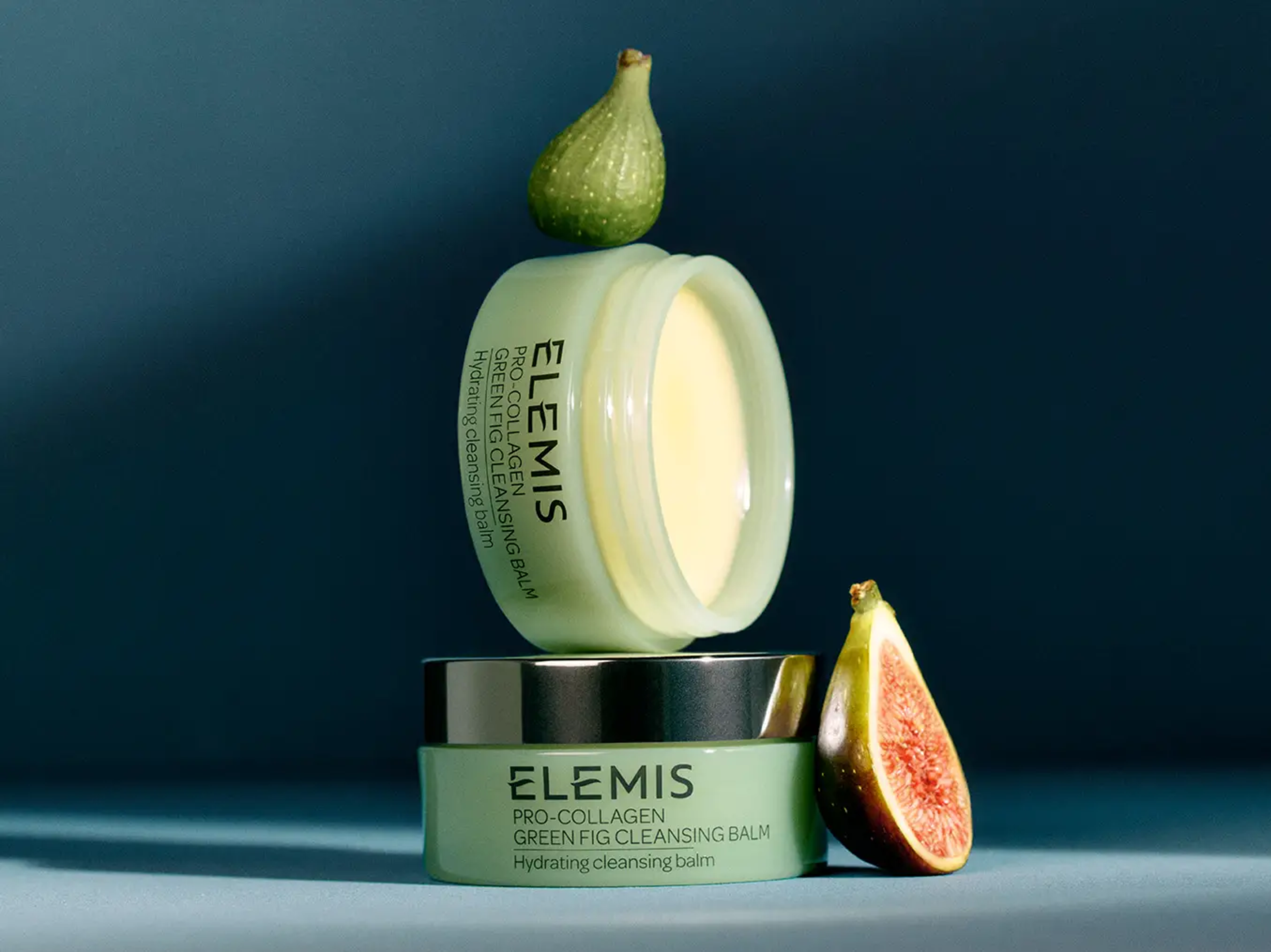
Suggested Product/s: Our Pro-Collagen Cleansing Balms work with acne-prone skin to promote healthy, hydrated skin
How do cleansing balms help with acne breakouts?
To discover the best cleansing balm for acne-prone skin, first we need to understand how unwanted blemishes come to the surface in the first place. The culprit: a mix of hair, oil, dirt and dead skin cells plugging skin’s oil gland canals, called follicles. Plugged follicles provide the right environment for bacteria to grow.
When the skin detects bacteria, this triggers an immune system response to attack the bacteria within the plugged follicle, causing a pimple or cyst (the painful ones).
Effectively cleanse the skin in the morning and double cleanse at night to help to avoid blocked follicles.
When you double cleanse, start with your cleansing balm. This will do the heavy lift, easily melting and removing the buildup from the day.
Follow this with your favourite cleanser to wash away anything left and continue with your regular skincare routine.
Do cleansing balms clog pores?
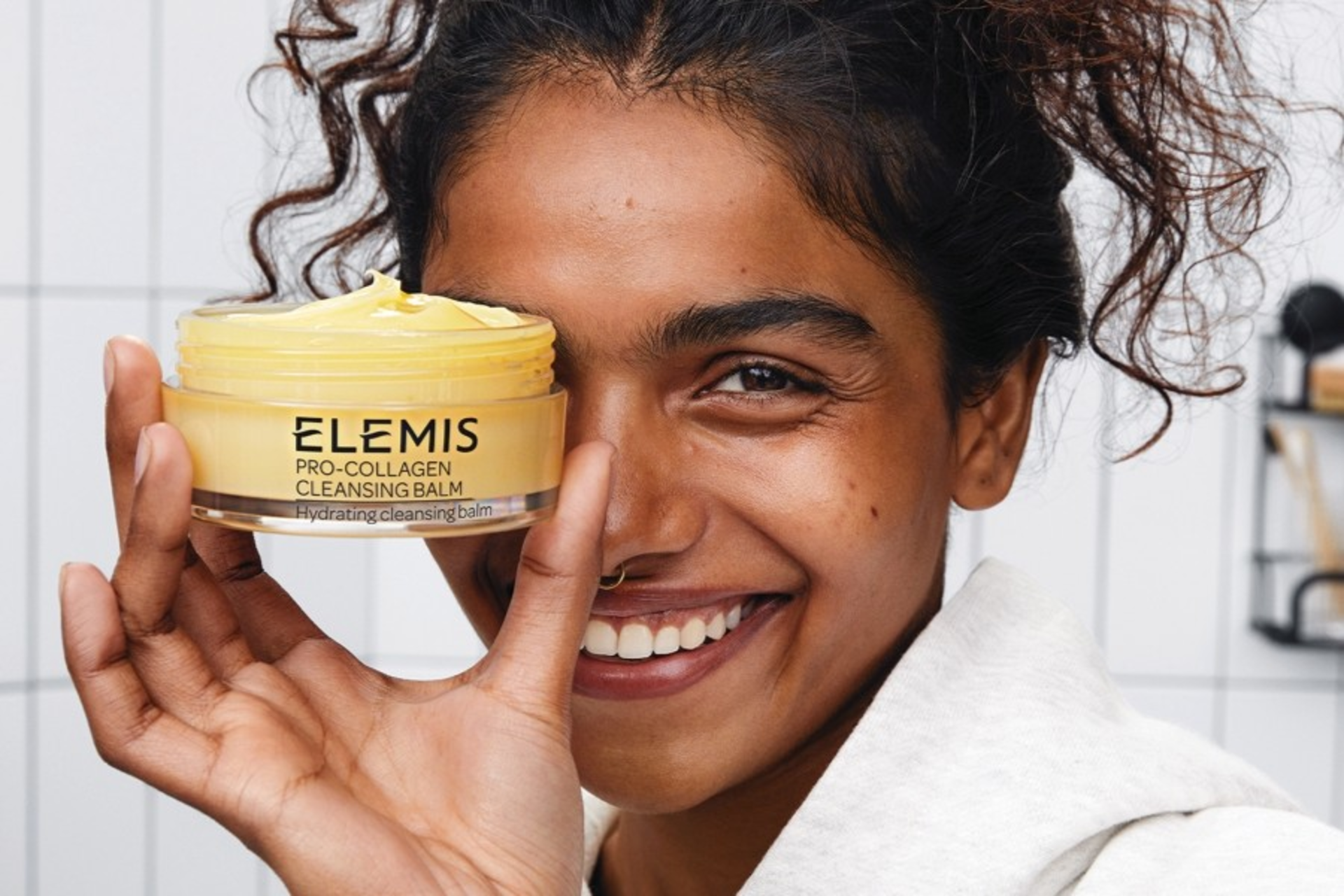
Not all cleansing balms are equal, so it’s important to check the label for comedogenic offenders. Cleansing balms are typically oil-based and gentle in nature. And if the word “oil” is a red flag for you, you have good skin instincts. There are different types of oils out there including skin-loving oils (non-comedogenic) and oils that clog pores (comedogenic). Look for a cleansing balm that’s formulated without heavy occlusive oils which are not a good choice for acne-prone skin, but one which has a well-balanced oil blend instead.
Should I use a cleansing balm every day to help my acne?
Again, it’s good to keep in mind that everyone’s skin is unique. Try to be mindful of how your skin feels when you do a double cleanse with a cleansing balm.
If it feels good, keep it up. There is no single correct way to go about cleansing skin, but a general rule of thumb is to cleanse at least 1-2x daily with your double cleanse at night.
How to keep acne-prone skin clean
One of the smallest, simplest changes to help your skin stay clean is removing your makeup — we know, it can feel like a chore at the end of a long day. But wiping away that smeared eyeliner and built-up grime is a small price to pay for acne-free skin.
Another thing to consider is your skin type. Different products work for oily, dry, sensitive, and combination skin. When you start this journey, make sure that every product you use is the right match for your skin type. You want to stick to alcohol-free and gentle products. And when you find a routine you feel comfortable with, stick to it for several weeks or months. Switching products can set you back with new breakouts.
Remember, patience is key. Results aren’t always noticeable for a few weeks or months, BUT beautiful skin is worth the wait.
Below, we’ve outlined a step-by-step skincare routine for blemished skin. Just swap in your preferences and be on your way to a state of skin health.
Morning Skincare Routine for Acne-Prone Skin:
Step 1 - Cleansing Balm: Use your favourite cleansing balm
Step 2 - Wash: Then, use a gentle cleanser for blemish-prone skin to wash and treat
Balance: Apply a moisture-balancing skin essence or oil to optimise skin for treatments
Treat: Apply your treatments, antioxidants, or other anti-ageing treatments
Moisturise: Apply your favourite daytime moisturiser or a moisturiser with SPF
Protect: Apply a broad-spectrum sunscreen SPF 30 or higher every day, rain or shine
Nighttime Skincare Routine for Acne-Prone Skin:
Step 1- Cleansing Balm: Use your favourite cleansing balm
Step 2 - Wash: Then, use a calming, gentle cleanser to wash away the day
Balance: Apply a moisture-balancing skin essence or oil to optimise skin for treatments
Treat: Apply your treatments, antioxidants, or other anti-ageing treatments
Moisturise: Apply your favourite nighttime moisturiser–try one that’s aloe-based or not as traditionally heavy
What skincare products should I use after a cleansing balm to help my acne?
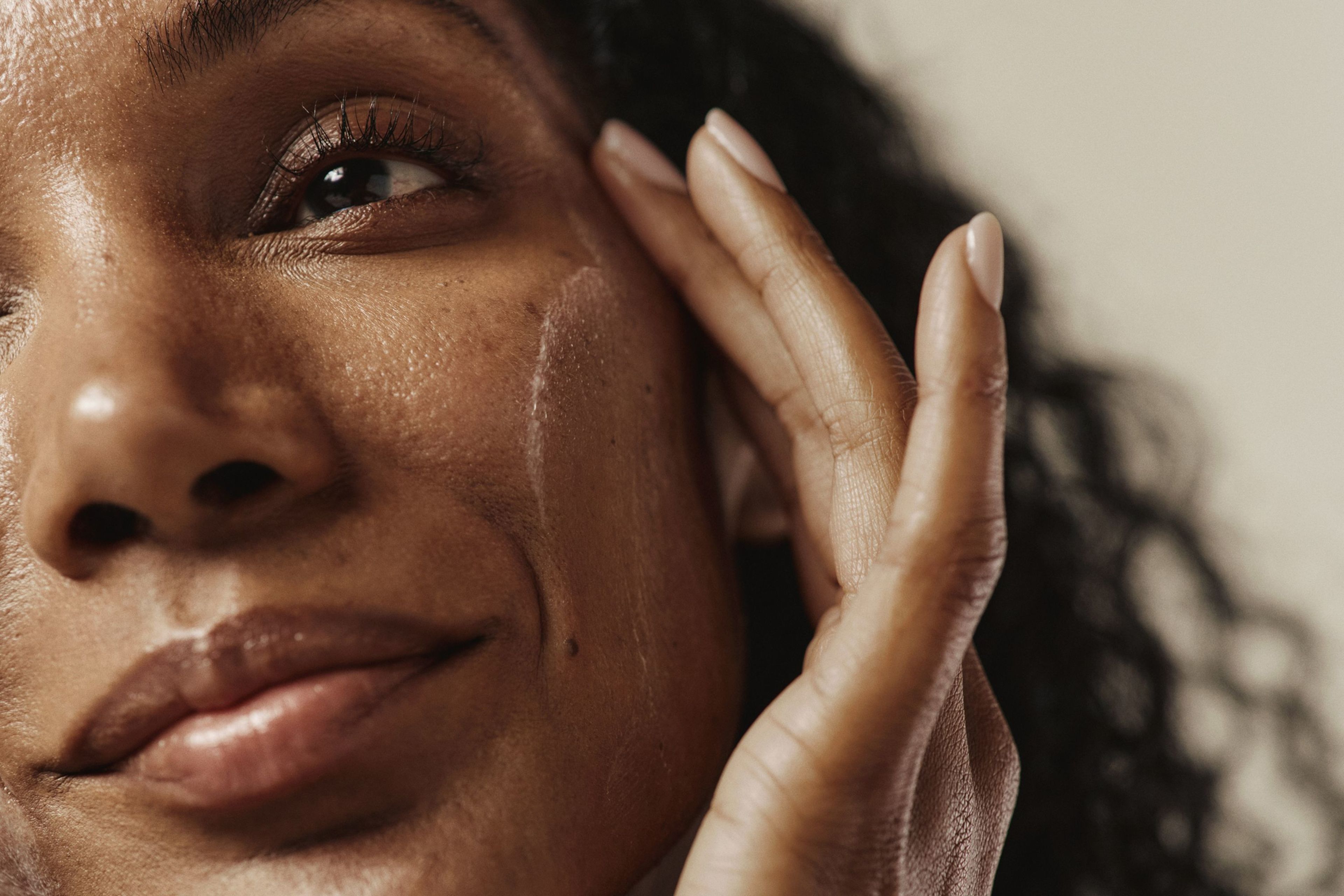
To double-cleanse acne-prone skin, use your cleansing balm first and follow with your favourite acne-treatment cleanser. Benzoyl Peroxide washes effectively kill acne-causing bacteria, while salicylic acid washes help breakdown dead skin cells sticking to the skin and unclog pores.
If your skin feels too dry after cleansing, apply a moisture-balancing skin essence to help rebalance the skin and prepare it for other treatments.
Some Top Tips
The most important thing to keep in mind when deciding to incorporate a new product into your skincare routine is that everyone’s skin is different and is affected differently.
Your acne-prone skin may benefit from using a cleansing balm because they are ultra-gentle yet powerful in lifting and dissolving daily grime and visible pollutants.
Cleansing balms are also a gentle yet effective alternative to using makeup-remover wipes that can be abrasive and over-exfoliate the skin.