10 Facts you may not know about Afternoon Tea
2022-05-16
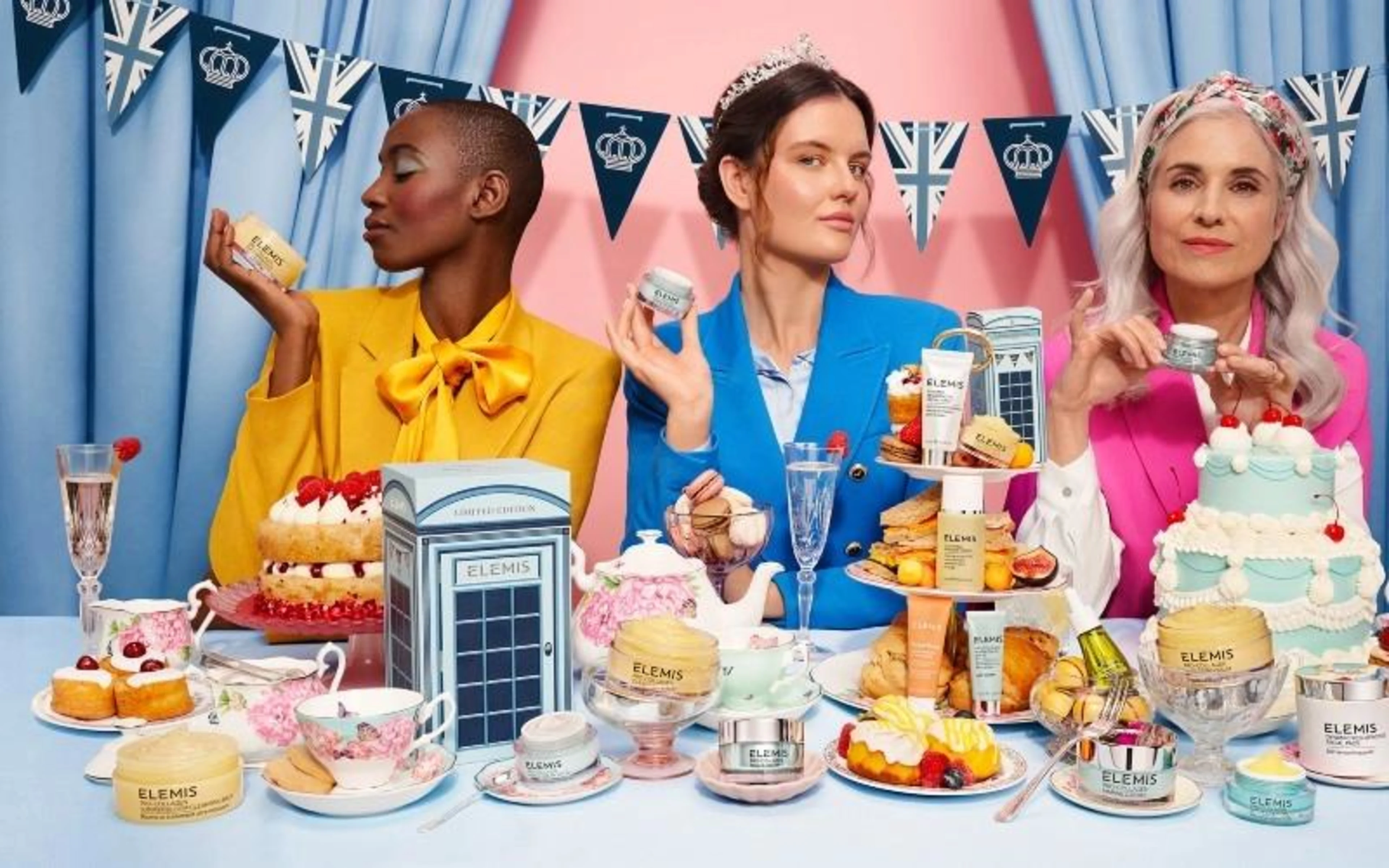
It’s a great British institution – but how did Afternoon Tea begin, and how has this famous tradition evolved over time? Put your feet up, pop on your favourite ELEMIS face mask and have a cup of your favourite tea at the ready as we dip into our 10 favourite facts about this quintessentially English pastime.
1.
It’s said that Afternoon Tea was invented in the 1840s by Anna, the 7th Duchess of Bedford. Anna often found herself feeling hungry in the afternoon, so she asked for a pot of tea and a snack to be arranged for her. Over time, she started inviting her friends to join her – and a tradition was born.
2.
As the decades passed, it began to be the custom for ladies to change their clothing for Afternoon Tea. In the 1880s, records show that upper-class and society women would put on long gowns, gloves and hats before enjoying their tea – a sign that it was a genteel occasion.
3.
Afternoon Tea is traditionally served between 2pm and 5pm, whereas High Tea is served between 5pm and 7pm.
4.
Until the mid-18th century, ale and gin were the drink of choice for most people. Once tea came along, the fashion changed, and tea became Britain’s most popular beverage.
5.
Scones were not included in afternoon tea until the early 1900s. The origin of the word scone (however you pronounce it!) is believed to come from the Dutch word ‘schoonbrot’, which means ‘beautiful bread’
6.
There is evidence in manuscripts that 10th century monks invented the cream tea. After Tavistock Abbey was damaged in a Viking raid in 997AD, the monks served bread with clotted cream and strawberry preserves to local workers who helped rebuild it. It was an instant hit among the locals, and the monks started serving it to passing travellers…the Devonshire cream tea was born.
7.
The most expensive tea bag in the world was created by Boodles jewellers to celebrate PG Tips’s 75th anniversary. The diamond-encrusted bag was valued at £7,500.
8.
Historically, milk was poured into the cup before the tea, to protect the delicate china.
9.
Some aspects of afternoon tea etiquette largely depend on where you are in the country. The answer to the age-old question of whether to put jam or cream on your scone first varies from place to place, with tradition dictating that if you’re from Cornwall it’s jam first then cream, while Devonians do the opposite.
10.
Afternoon tea highlighted the British tradition of dunking biscuits into tea, which was later followed by many others around the world. Historically, milk was poured into the cup before the tea, to protect the delicate china.
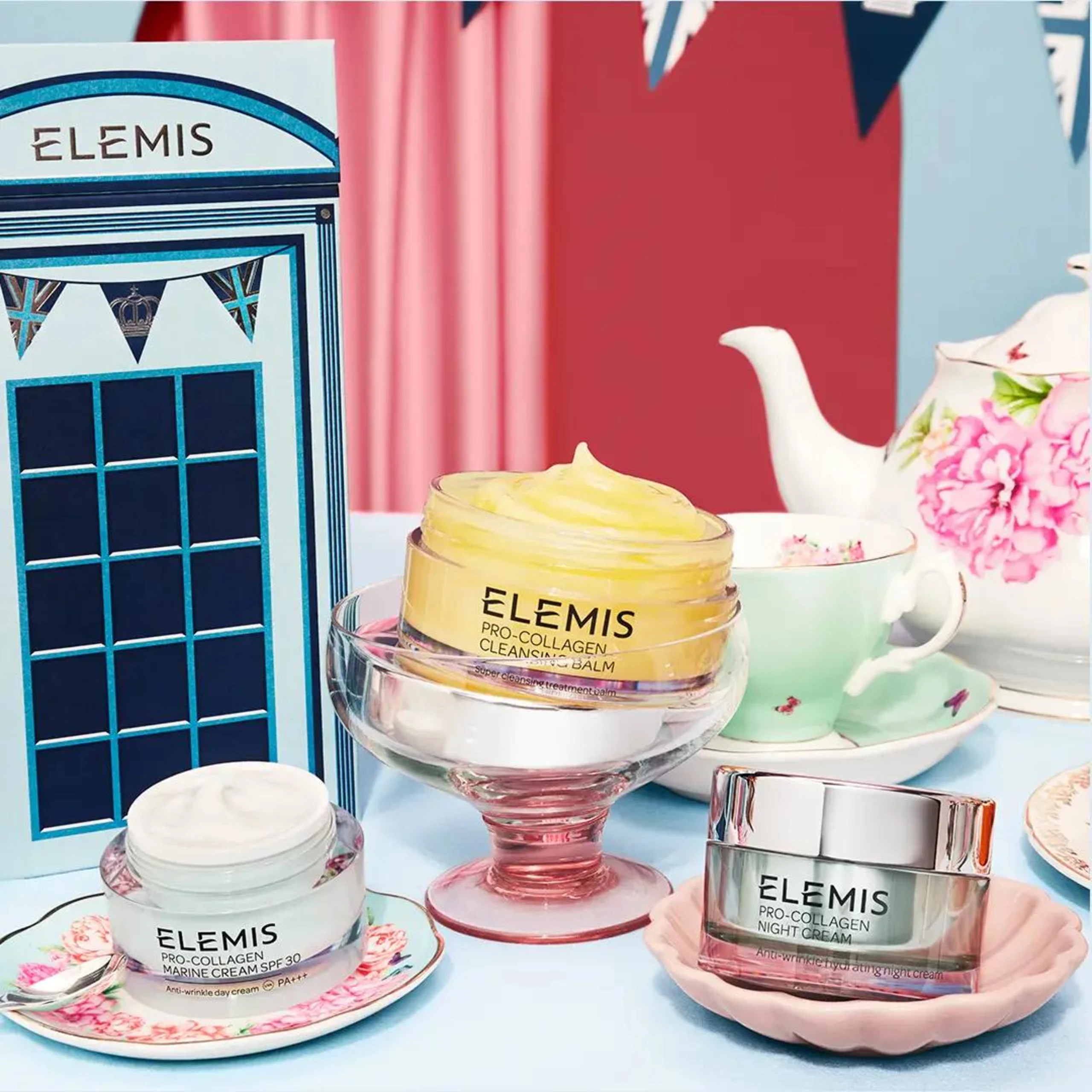
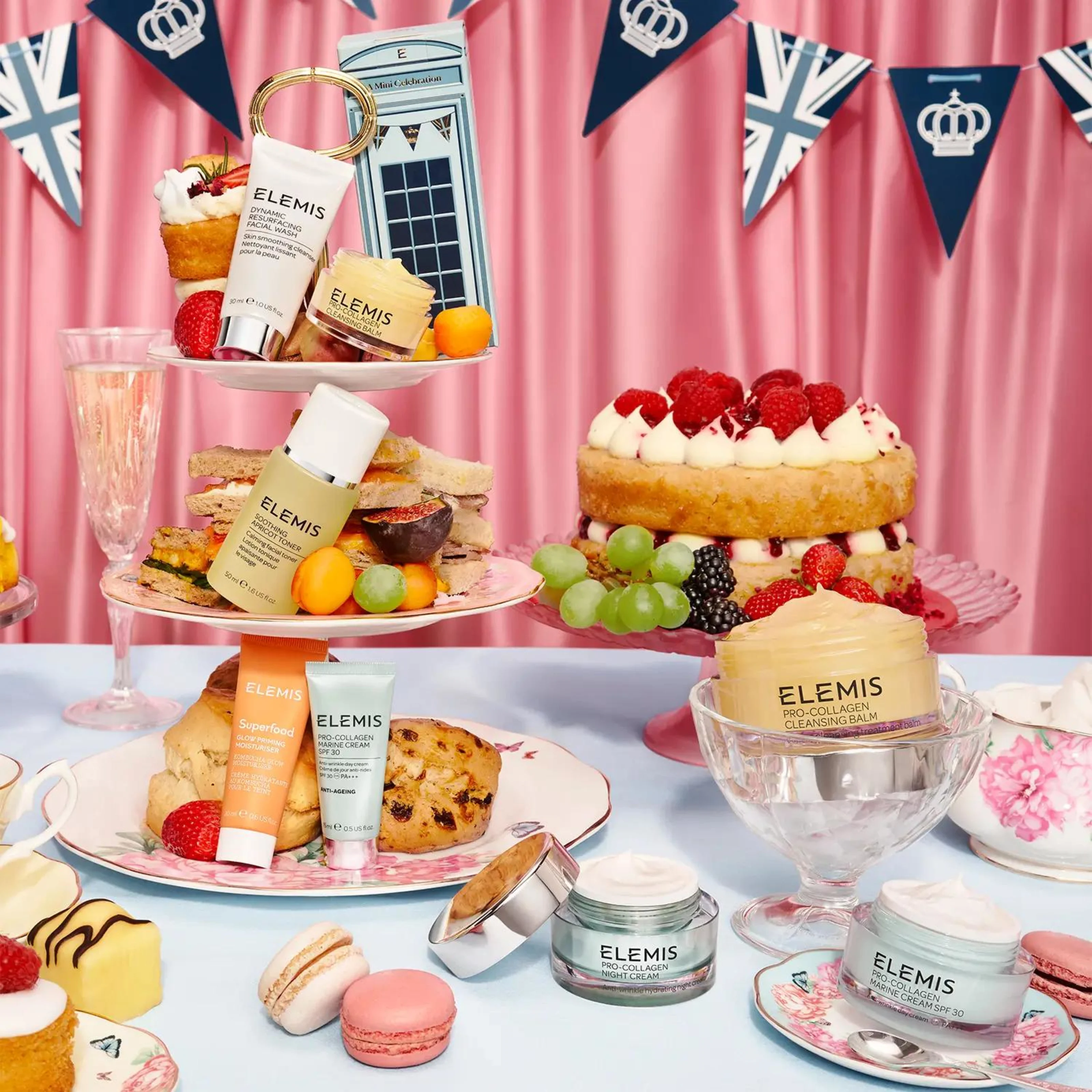
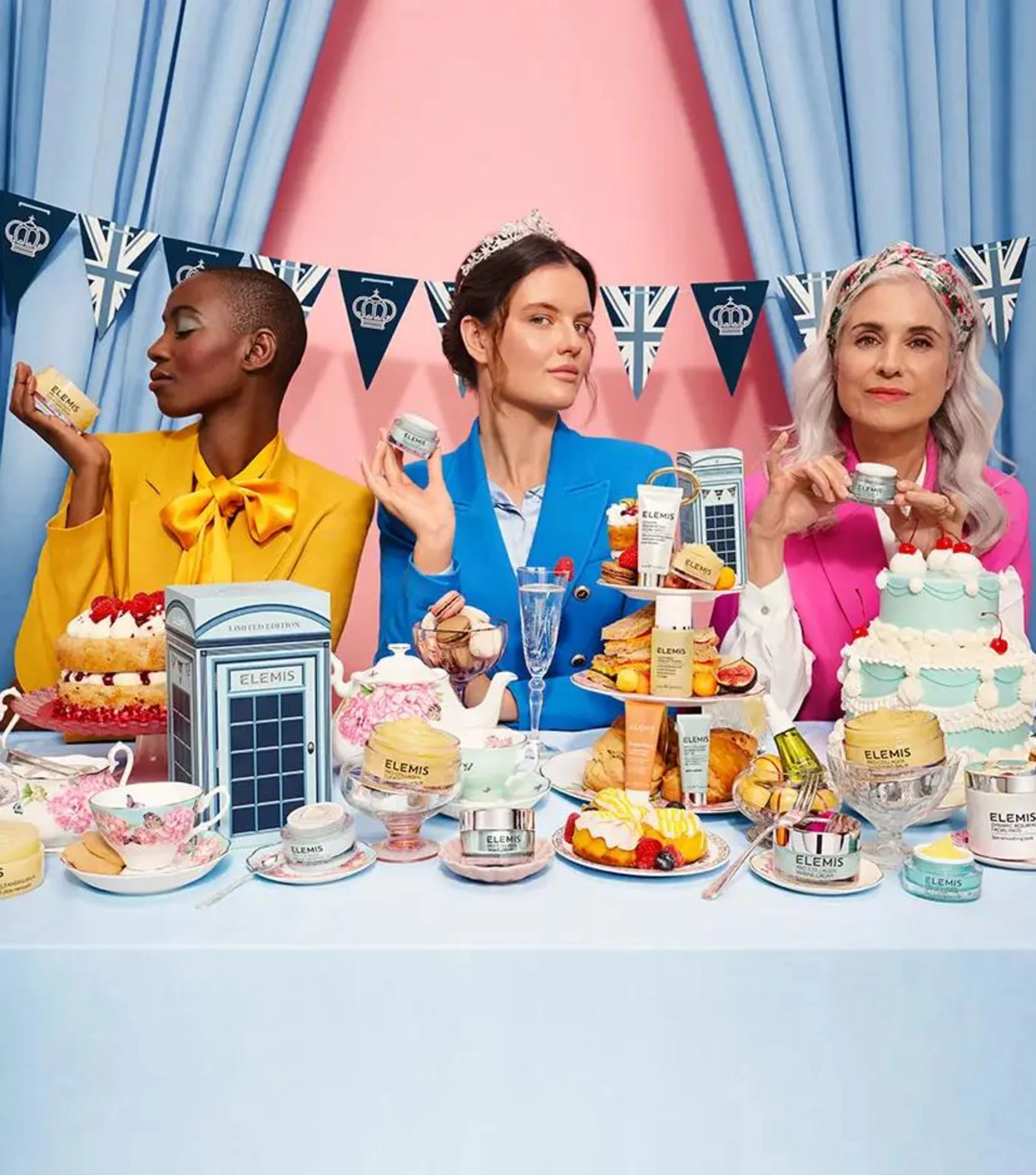
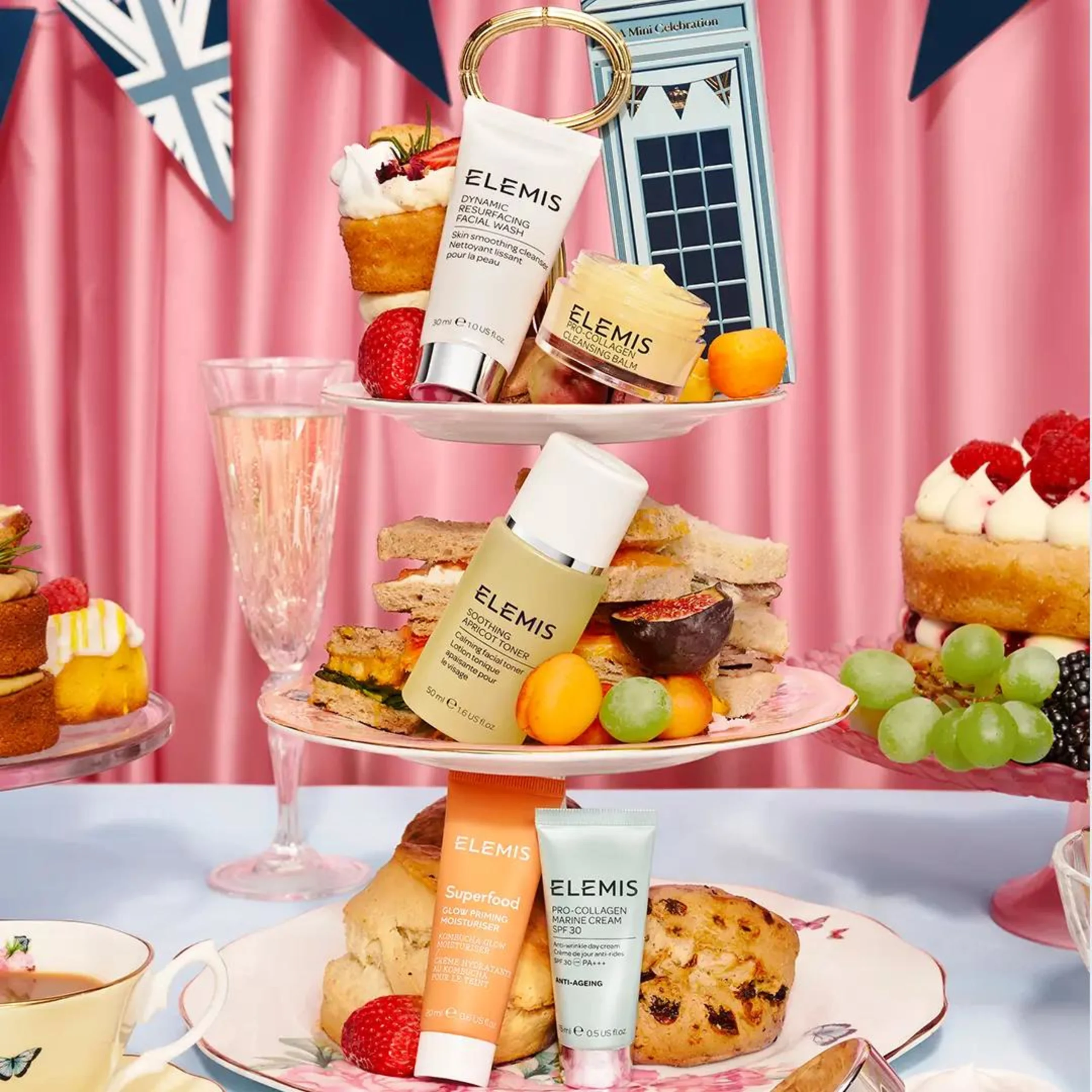
We’re celebrating the art of Afternoon Tea with limited-edition collections of quintessentially British skincare, as well as a beautiful headband featuring a classic floral print crafted in the year of Queen Elizabeth II’s coronation.