Foods With Collagen; Everything You Need To Know
2025-06-27

What can collagen rich foods do for your body? Here's what the science says about top collagen-rich foods to include in your diet.
What happens when collagen levels drop?
The body's production of collagen decreases dramatically with aging. When this happens, there is a reduction in your skin elasticity and epidermal thickness. This leads to skin damage and an increase in wrinkles, crepey skin, and sagging skin. Low collagen may also reduce hair growth and contribute to hair thinning.
Decreases in collagen may also lead to stiffer and less flexible tendons and ligaments, shrinking and weakening muscles, joint pain, osteoarthritis, and gastrointestinal problems.

Benefits of eating more collagen
We lose collagen as we age, so eating more protein-rich foods combined with vitamin C as we age will help increase your natural collagen production. Having adequate collagen levels helps maintain your muscles and joint cartilage, and helps your skin stay more elastic.
Along with reducing wrinkles and increasing muscle mass, collagen may also help reduce osteoarthritic joint pain, and keep your bones strong.

Best Foods to Eat for a Collagen Boost
With that said, here are the 10 best collagen-rich foods to add to your eating pattern to boost your intake.
Fish
Protein-rich foods are going to be your best option for boosting collagen. One great animal protein option is fish, especially with the skin on!
Plus, collagen derived from fish, known as marine collagen, has great bioavailability—meaning that it’s absorbed into the body more efficiently than collagen from other sources.
Eggs
While eggs don’t contain connective tissues like many other animal products, egg whites do have large amounts of proline, one of the amino acids necessary for collagen production.
Osyers
While not naturally rich in collagen, oysters are very rich in zinc—only eating a few will get you to more than your daily value! Studies have shown that zinc is a critical component in the creation and repair of collagen, promoting skin health and healing.
Beans
If you’re following a plant-based diet, beans are a great source of plant protein, and rich in collagen-boosting properties.
Studies have shown that the consumption of common beans can help maintain collagen production because they contain amino acids necessary for collagen production.
Citrus Fruit
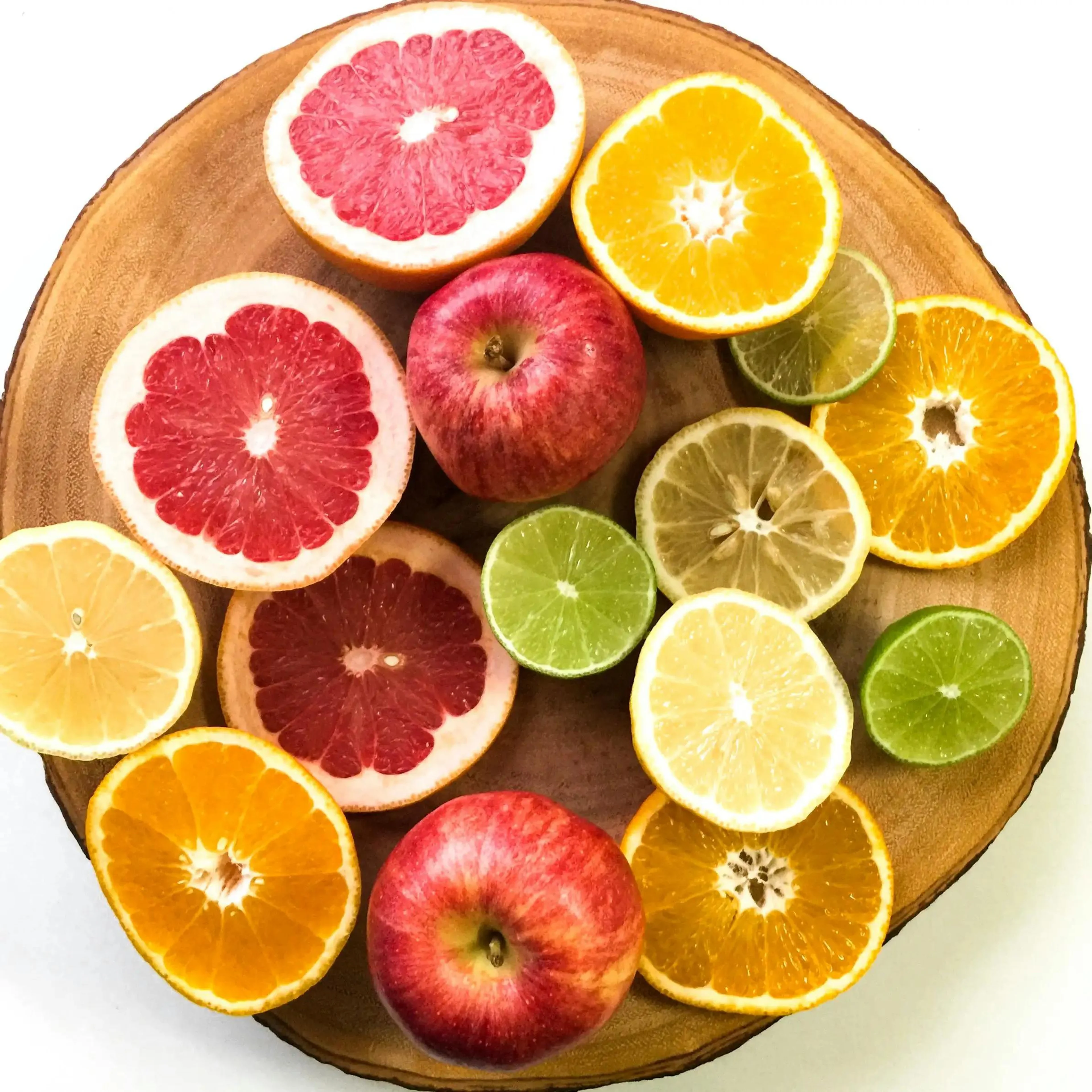
Many foods that are not naturally high in collagen can still support collagen production. It is more about helping your own body make more collagen by eating certain foods, particularly rich in vitamin C.
Vitamin C plays an integral role in the synthesis of pro-collagen, the body’s precursor to collagen. So, citrus fruits, which are high in this essential vitamin, can play a big role in boosting your collagen.
Bell peppers
Similar to citrus fruits, bell peppers are a great source of vitamin C, which plays a significant role in collagen production. In fact, all bell peppers—green, yellow, red, and orange—contain more vitamin C than an orange.
Potatoes
A lesser known source of vitamin C, potatoes can also help your body produce more collagen. Sweet potatoes are a great source of vitamin C, too, as well as beta-carotene antioxidants that the body converts to vitamin A, which sends messages to your body to produce collagen.
One study even found that potato peel extract can stimulate collagen production and can be an effective anti-aging agent in skincare. Potato face mask anyone?
Bone broth
Animal bones are a particularly rich source of collagen, and the slow simmering process of bones and connective tissues in water allows the collagen in the bones to break down into gelatin, which can be more easily absorbed by your body.
However, recent research has shown that even though bone broth provides key amino acids for production, it may not always be a reliable source of collagen.
Dairy
Milk, cheese, yogurt, and any of your other favorite dairy products can also indirectly support collagen production in your body.
While they do not naturally contain collagen themselves, they are rich in two amino acids, proline and glycine, that are essential for collagen production.
Garlic
While not naturally rich in collagen, garlic is rich in sulfur, which studies have shown to play a role in collagen production. Keep in mind that you probably need to consume a lot of garlic for it to make a difference in your collagen levels.
Eating too much garlic can cause heartburn and indigestion, so best to avoid adding excess garlic just to hit your goal collagen intake.
Cashews
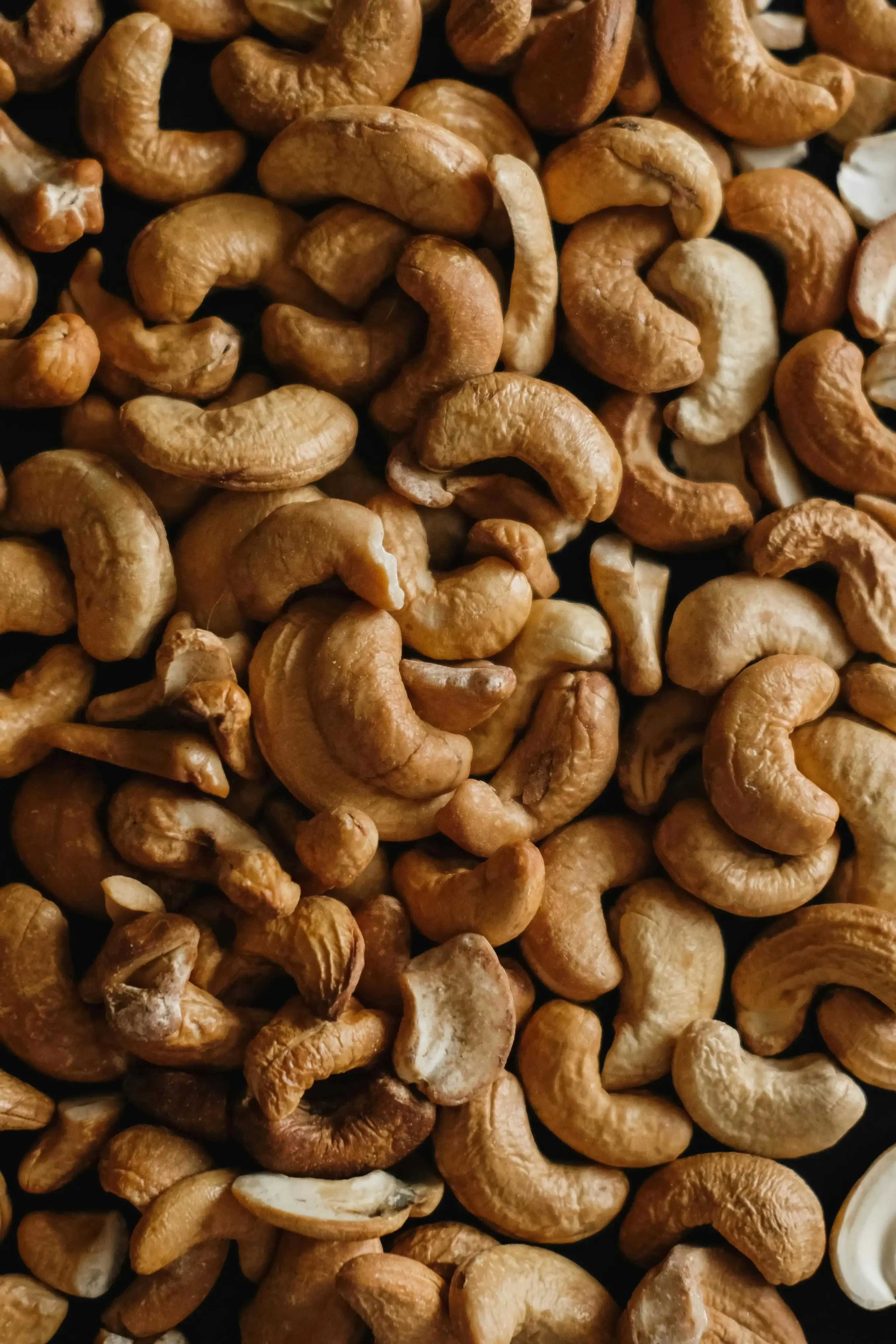
Cashews may not be a natural source of collagen, but they are a good source of zinc, which we already mentioned plays an important role in collagen production.
Cashews are also rich in copper, a mineral that plays a crucial role in the development of collagen and elastin—which, much like collagen, gives strength and flexibility to the skin.
Skin-On Chicken
When middle-aged women (aged 39 to 59) took oral collagen supplements made from chicken cartilage, it improved their fine lines, wrinkles, crow's feet and skin elasticity, according to a 2019 study in Alternative Therapies in Health and Medicine.
So if you want a food-first approach, go for skin-on chicken. Or, if it's ground chicken that you like, ask your butcher if the ground chicken includes the skin and, if not, ask them to grind it for you from skin-on thighs or breasts.
Berries
Pick your favorite—blueberries, raspberries, strawberries or blackberries. They're all a great way to add vitamin C to your diet, a nutrient that helps your body build collagen. Vitamin C is also a vitamin we must eat because our body doesn't make it naturally.
A cup of strawberries has nearly 100% of your daily target for vitamin C, and a cup of raspberries or blackberries has about 35% of your daily C goal. Vitamin C has been found to have its own skin health benefits. A 2021 Clinics in Dermatology review concluded that consuming vitamin C may reduce skin damage from sunlight.
Broccoli
Another tasty, easy way to add vitamin C to your diet is broccoli. A cup of cooked or raw broccoli delivers about a full day's dose of vitamin C, which plays an essential role in building collagen.
And while vitamin C is needed to synthesize collagen, you don't have to consume it at the same time as your collagen-rich food or collagen supplement. Including both in your diet over the course of the day is sufficient.
How much collagen should you have daily?
It varies depending on how much your body absorbs as you age. However, most research will support between 2.5 and 15 grams per day.
If you are eating a balanced diet with adequate amounts of protein, fruits, and vegetables, you probably are doing a good job supplying your body with the building blocks needed to make collagen.
If you need a supplement, the research is mixed with the dosage of collagen supplements tested and there is not one recommended serving amount. If you are taking a supplement, follow the manufacturer's label for dosing since each formulation will contain varying amounts of collagen.
Are collagen-rich foods better than supplements?
As we age, in addition to losing collagen we also have a decreased ability to absorb some of the nutrients from the foods we eat, so a supplement may be better tolerated.
Taking collagen supplements is an emerging area of interest. Some studies have shown improvements in skin hydration, elasticity, and fewer wrinkles by increasing collagen either through diet or taking a collagen supplement in older adults.
Dietary supplements are products intended to supplement the diet. They are not medicines and are not intended to treat, diagnose, mitigate, prevent, or cure diseases. Be cautious about taking dietary supplements if you are pregnant or nursing. Also, be careful about giving supplements to a child, unless recommended by their healthcare provider.