Ingredients to Combine (and Avoid) With your Vitamin C
2022-09-22
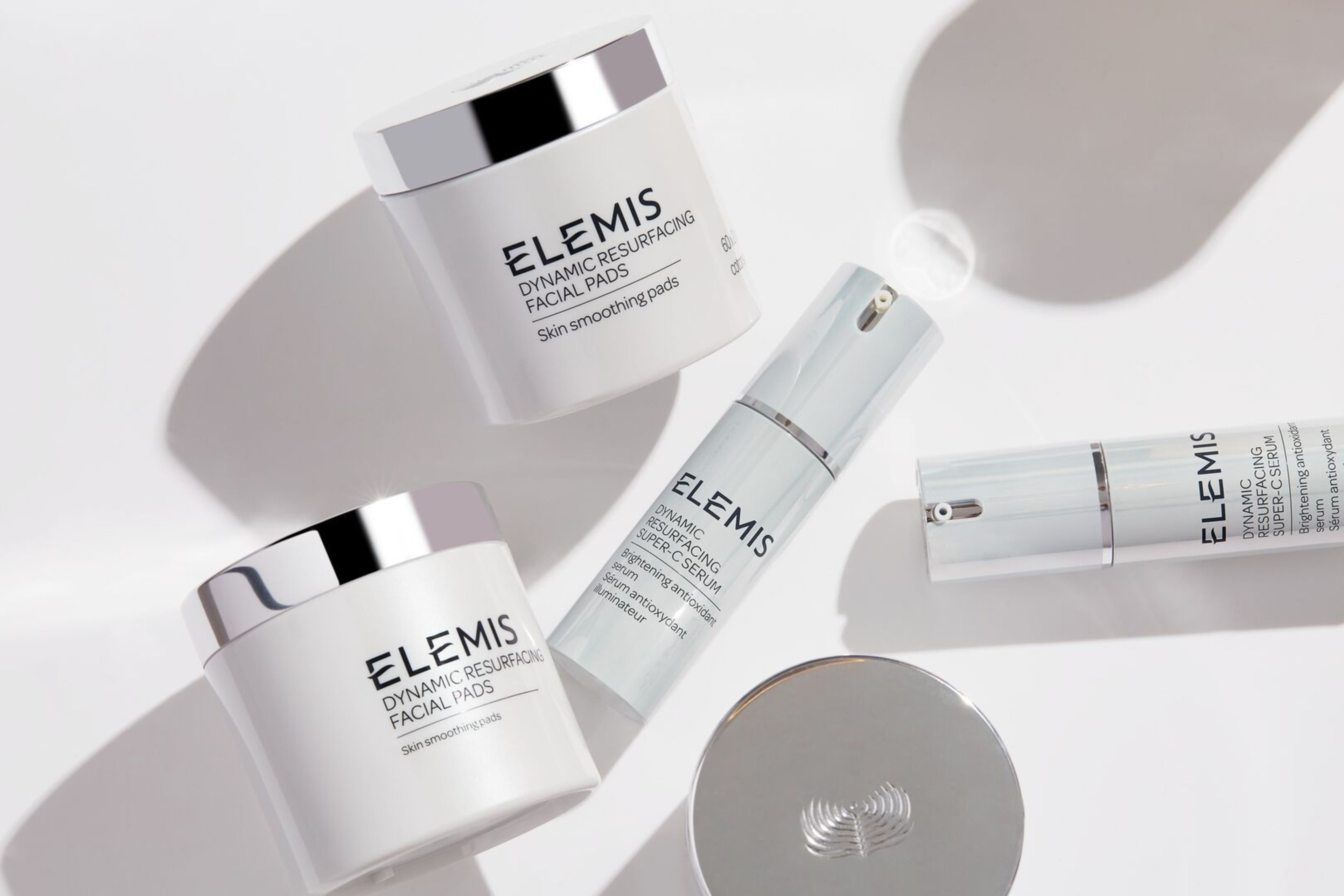
When introducing any new active ingredient into your skincare routine, it’s important to understand how and when to use it, and which other ingredients will work well with it. Plus, using too many potent formulas at the same time can lead to irritation, especially for those with sensitive or redness-prone skin. We know, your head may be spinning with questions like, “Can you use Vitamin C with Salicylic Acid? Can you use Glycolic Acid with Vitamin C?” Read on to discover the answers about which ingredients to avoid when using Vitamin C, and those that can be used alongside it to maximise efficacy and achieve the best results.
What is Vitamin C?
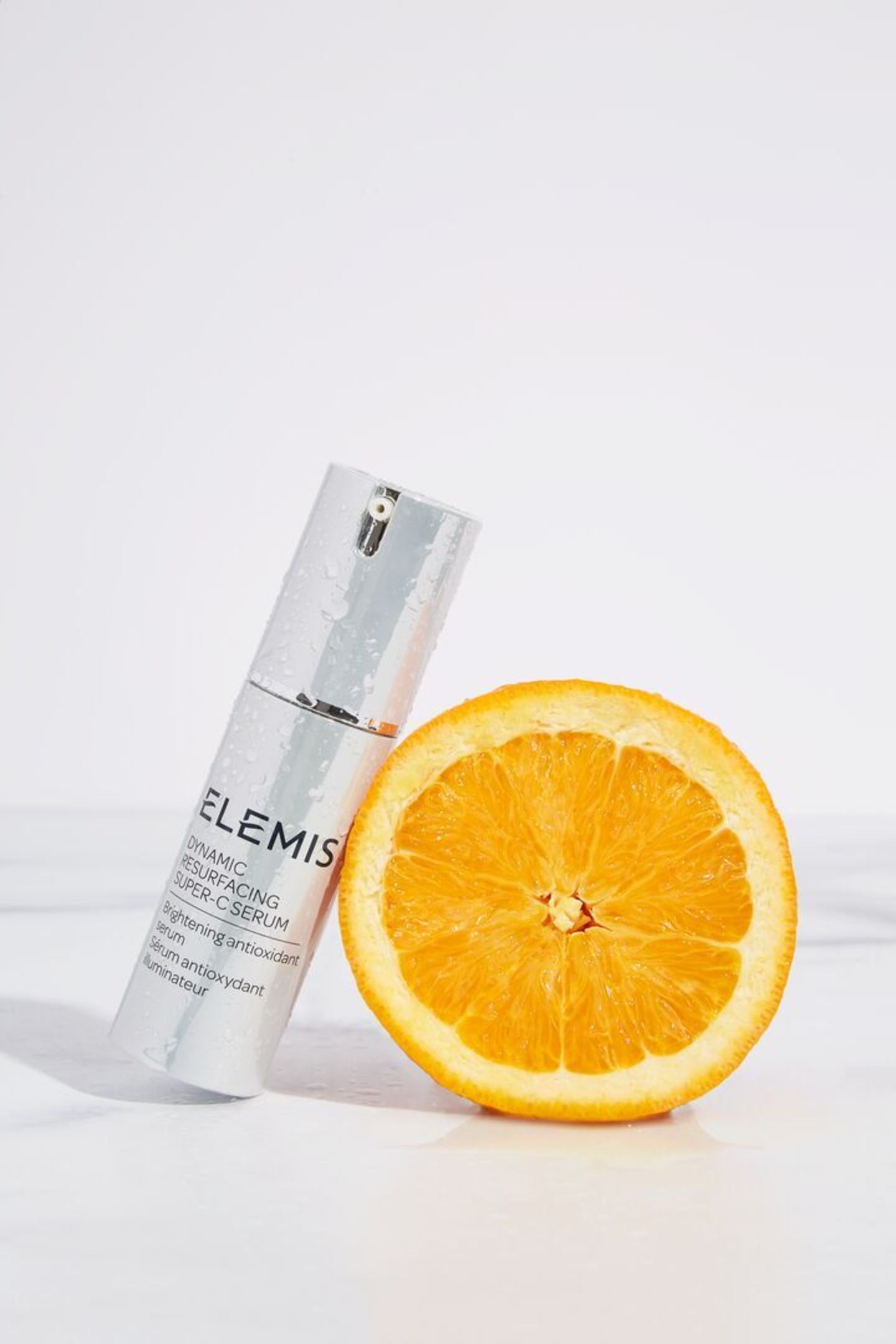
Before we dive into what ingredients work best with Vitamin C, let’s answer the most important question: What is it? The short answer: A miracle-working antioxidant. In more specific terms, Vitamin C is a water-soluble nutrient responsible for collagen production. It’s essential for boosting the immune system, protecting the skin’s barrier from harmful pollutants, and minimizing infection risk while supporting the body’s wound-healing process.
For something talked about so frequently, most of us probably don’t even realize how much Vitamin C actually does for our bodies. Its potency neutralizes free radicals, repairs damaged cells, aids in the skin’s regeneration process, and brightens pigmented areas.
When Vitamin C is added to a topical cream like the ones found here at ELEMIS, it’s unstoppable! Clinical trials prove that daily use offers anti-ageing and anti-inflammatory benefits while protecting against long-term sun damage when combined with certain ingredients. Vitamin C is not only scientifically backed, but it also has our back.

The Power of Vitamin C
When it comes to our skin, Vitamin C offers so many additional invaluable benefits. It activates the skin’s fibroblasts (connective tissue cells) to stimulate collagen and elastin production to hydrate the skin and minimize the appearance of fine lines and wrinkles. If that wasn’t enough, it continues to enhance a more youthful-looking complexion by stabilizing any existing collagen reserves already stored in your skin to preserve its plumpness and smooth, firm texture. Vitamin C also supports skin barrier function by increasing the production of barrier lipids (the ‘glue’ that binds your cells together) to reduce transepidermal water loss and keep your skin hydrated.
Mixing Vitamin C and Other Ingredients
Now that we’ve explored what Vitamin C is and does, it’s time to talk about how to use a Vitamin C serum with other ingredients. Some combinations can do wonders for your skin, while others cause more harm than good. That’s why you need to pay extra-close attention when it comes to layering or mixing products in your skincare regimen. It’s essential to make sure you know how ingredients work and how they interact with one another to avoid any negative outcomes like cancelling each other out, causing skin dryness and irritation, or becoming completely useless.
Ingredients to Combine with Vitamin C
Don’t fret! We’ve curated a list of the best ingredients to use with Vitamin C, so you can avoid any harm and get results you’ll love!
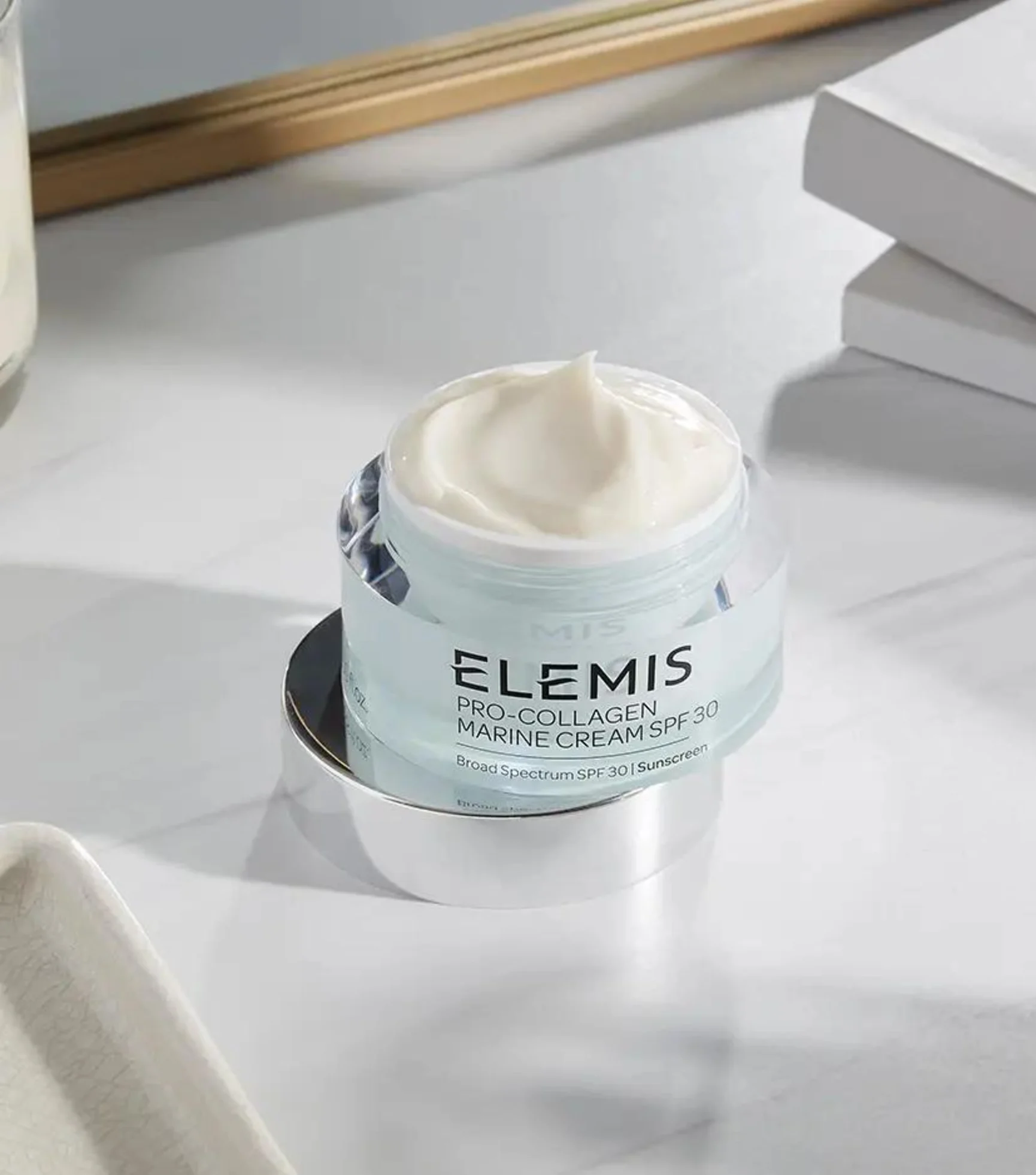
Vitamin C + SPF
We always recommend wearing SPF daily as an added layer of protection for your skin.
Vitamin C makes for a great pairing with your everyday SPF, as both will help to combat environmental damage that can lead to premature signs of ageing.
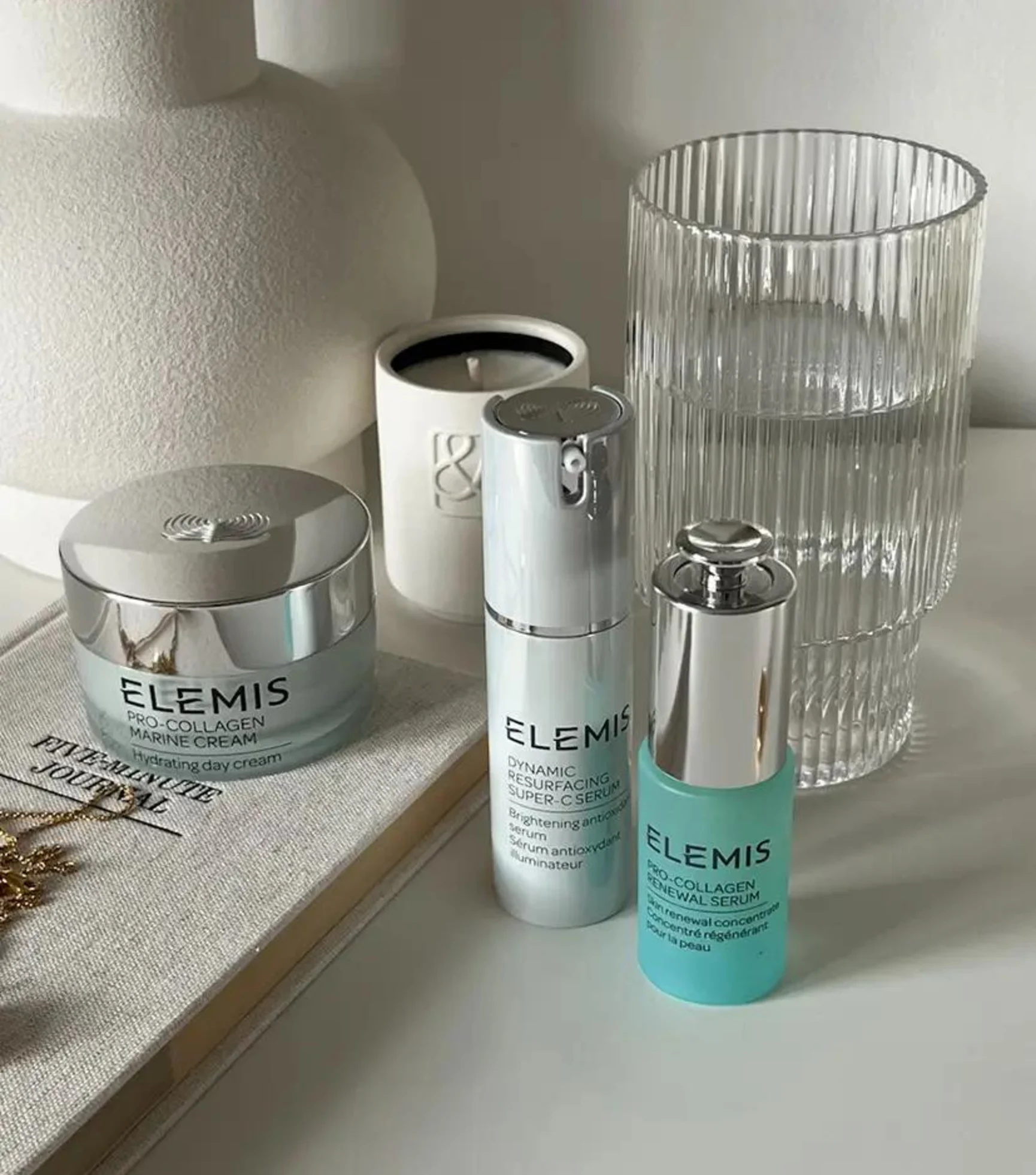
Try our Pro-Collagen Marine Cream SPF 30, which plumps and firms whilst delivering intense hydration and sun protection.

Vitamin C + Hyaluronic Acid
Hyaluronic Acid and Vitamin C complement one another when used together. Using a Vitamin C serum will protect your skin barrier from free radical damage, whilst hyaluronic acid will boost hydration.
Try layering our ELEMIS Pro Collagen Marine Moisture Essence – which contains next-generation Flash Filler Hyaluronic Acid to deliver instant and 24-hour hydration – underneath Dynamic Resurfacing Super-C Serum for plump, radiant skin.
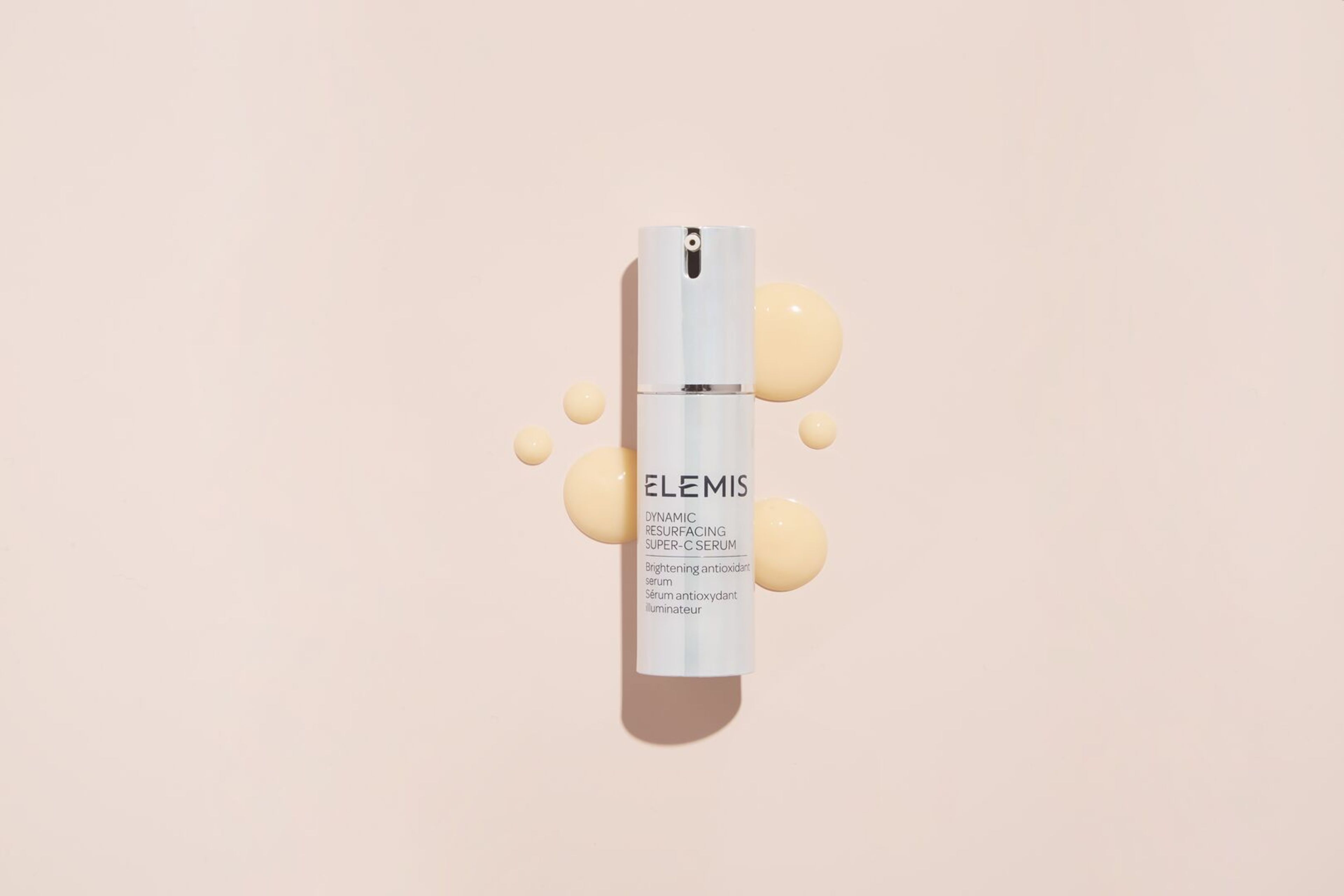
Vitamin C + Niacinamide
Can you use Niacinamide with Vitamin C? Yes! These two actives work well together and are safe to combine. Together, they will work to address uneven skin tone, pigmentation, wrinkles, loss of firmness, and dullness.
Vitamin C + Glycolic Acid
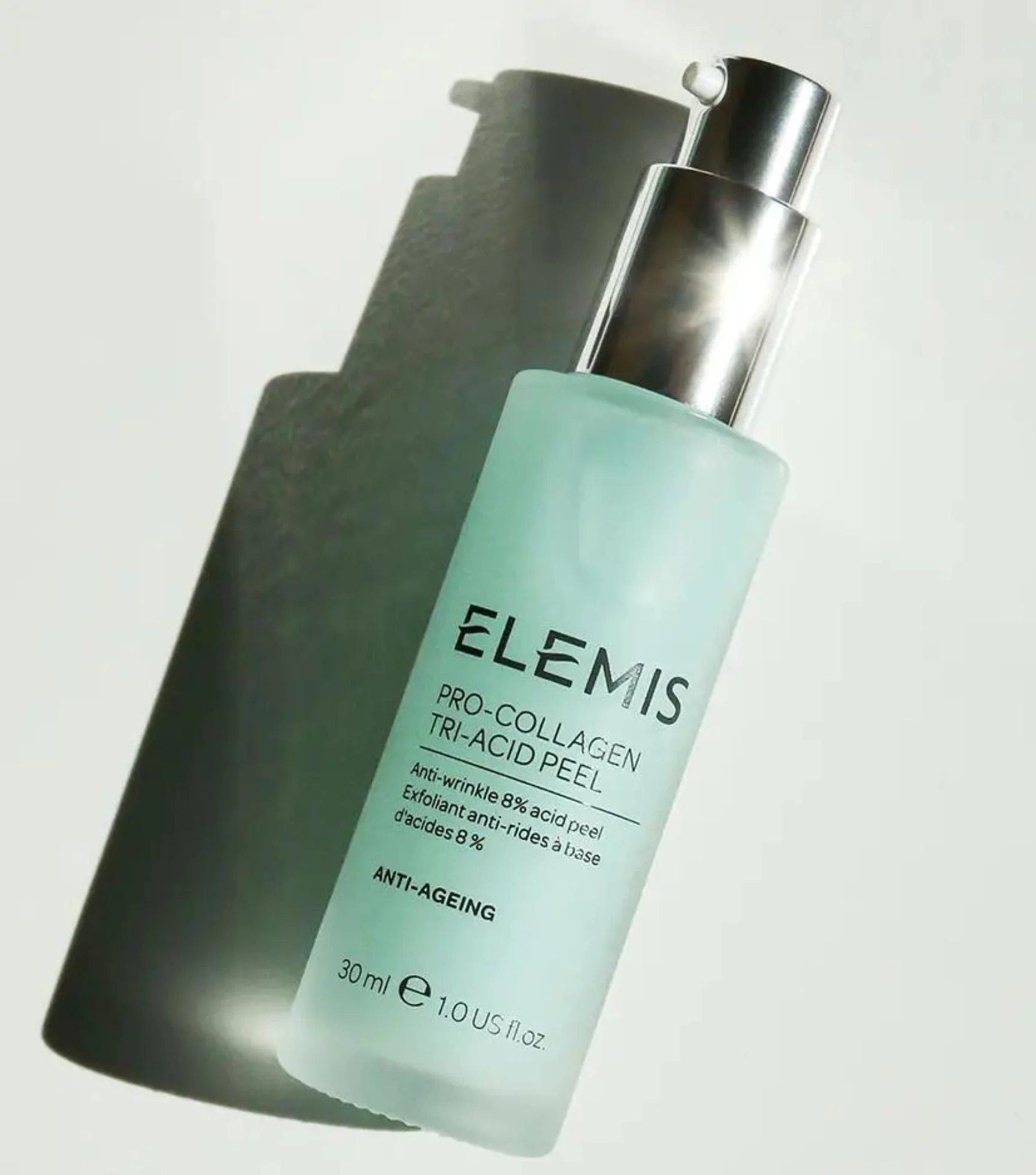
Using Vitamin C and Glycolic Acid together can have a truly positive affect on your skin—if done in the right way. Their combined benefits can revamp your complexion, leaving it dewy, more even, and radiant. Always remember to apply your glycolic acid product first to clear the skin, followed by your Vitamin C product to get the most effective results from each.
Need a Glycolic Acid-based product? Try the beloved ELEMIS Dynamic Resurfacing Facial Pads
TOP TIP: Looking for a Retinol alternative? Our Pro-Collagen Renewal Serum uses natural extracts of Stevia and Alfalfa to reduce the appearance of fine lines and wrinkles and is gentle yet highly effective. Don’t just take our word for it: 91% agreed they would choose this product over a traditional Retinol. ** Plus, you can use this alongside our Dynamic Resurfacing Super-C Serum without compromising your skin’s barrier.
**Independent User Trials 2020. Results based on 37 people over 4 weeks.
Ingredients to Avoid with Vitamin C
Just like oil and water, Vitamin C doesn’t mix well with certain ingredients. Here’s a list of what to stay away from when using Vitamin C:
Vitamin C + Retinol
Can you use Vitamin C with Retinol? Only if you want skin irritation. Layering retinol and Vitamin C can lead to this unwanted side effect as well as redness or dry, itchy skin. Stay away from this combination, especially if you have sensitive skin. A safe way to do that is by applying Vitamin C in the morning (to keep your skin protected against environmental stressors such as pollution and sun exposure) and applying Retinol at night (as it can sensitize the skin, which could lead to sun damage during the daytime).
Vitamin C + Benzoyl Peroxide
Remember earlier when we mentioned that some combinations of ingredients can render the pair useless? Mixing Benzoyl Peroxide and Vitamin C is a perfect example. Benzoyl Peroxide can oxidize Vitamin C, cancelling out the benefits of the individual ingredients. To avoid this, we recommend using them at different times of day or alternating days throughout the week. For instance, if you use Benzoyl Peroxide to treat mild-to-moderate acne, consider applying it at night and saving Vitamin C for the morning.
Overview
There’s no doubt about it—Vitamin C is a powerhouse in your skincare routine. It firms skin, reduces dark spots, and improves collagen production for youthful, radiant skin. When mixed with other A-list ingredients, it can lead to even better results, but it’s crucial to understand which products to layer it with to avoid skincare disasters. Always check the ingredient combinations on the labels when buying skin products to get a dreamy complexion without any hassle.