Can You Over-Moisturise Your Skin? Here's What You Need to Know
2025-11-27
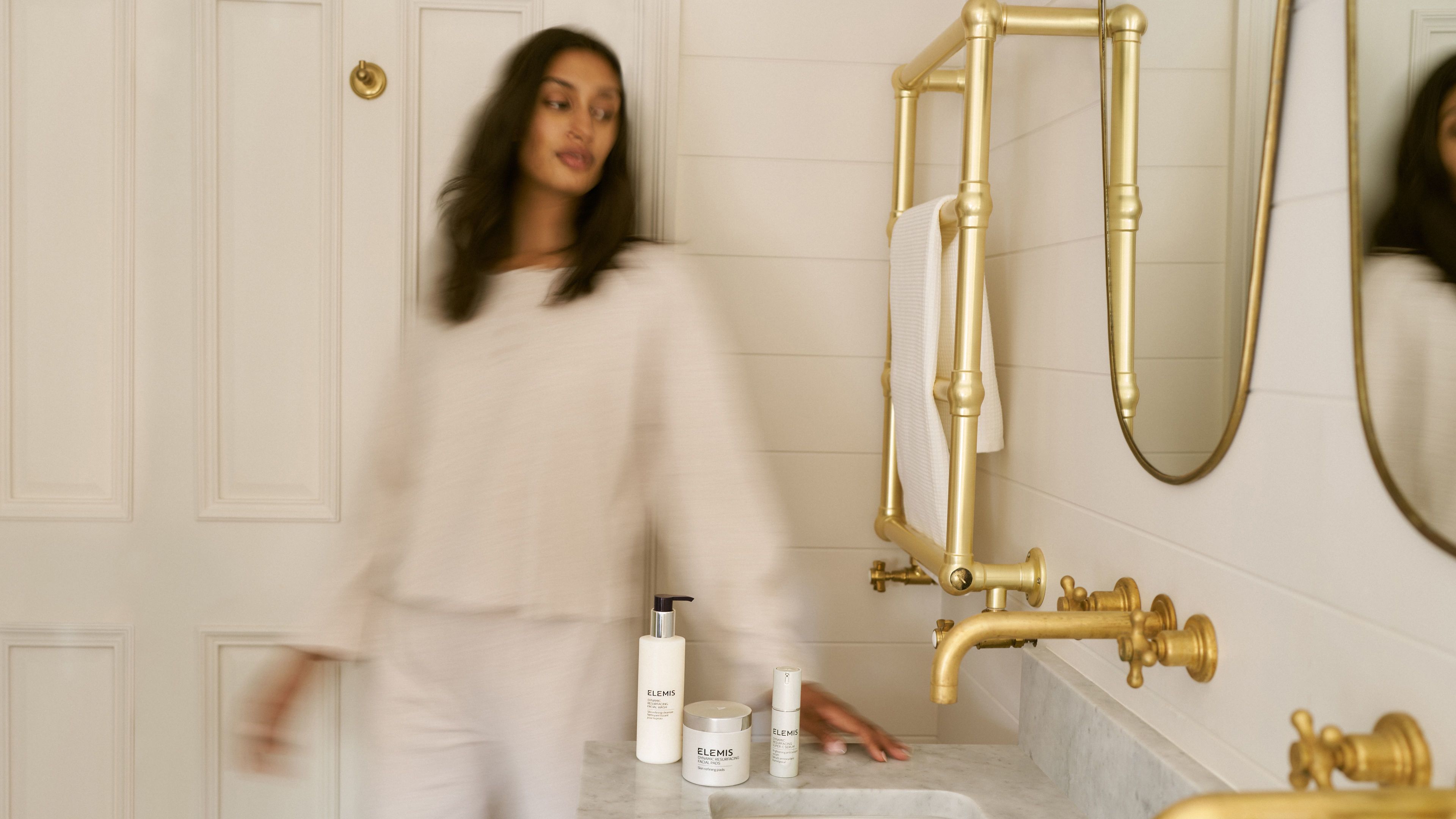
Moisturiser is one of the most important steps in any skincare routine – but can you have too much of a good thing? The short answer is yes. While over-moisturising won't happen after a single application, consistently applying more hydration than your skin needs can leave your complexion feeling out of balance. As Keeley Aydin, Brand Ambassador & Skin Expert, explains: “If your skin feels tight and you automatically keep adding richer and richer creams, you might not be giving it what it’s actually asking for. Sometimes it needs hydration, not heaviness.” Here's how to tell if you're overdoing it, how to reset your routine, and how to keep your skin beautifully hydrated without overwhelming your skin barrier.
What Is Skin Overhydration?
Your skin barrier works hard to lock in moisture while protecting against everyday environmental stressors. Moisturiser helps support this natural barrier, but more isn't always better.
Skin overhydration occurs when you regularly apply more moisturising products than your skin needs, or layer multiple rich formulas unnecessarily. Over time, this can leave skin feeling congested, heavy or out of balance.
The goal isn't to use as much moisturiser as possible – it's to give your skin the right level of hydration with products suited to your skin type and concerns.
Know the Signs You're Overdoing It
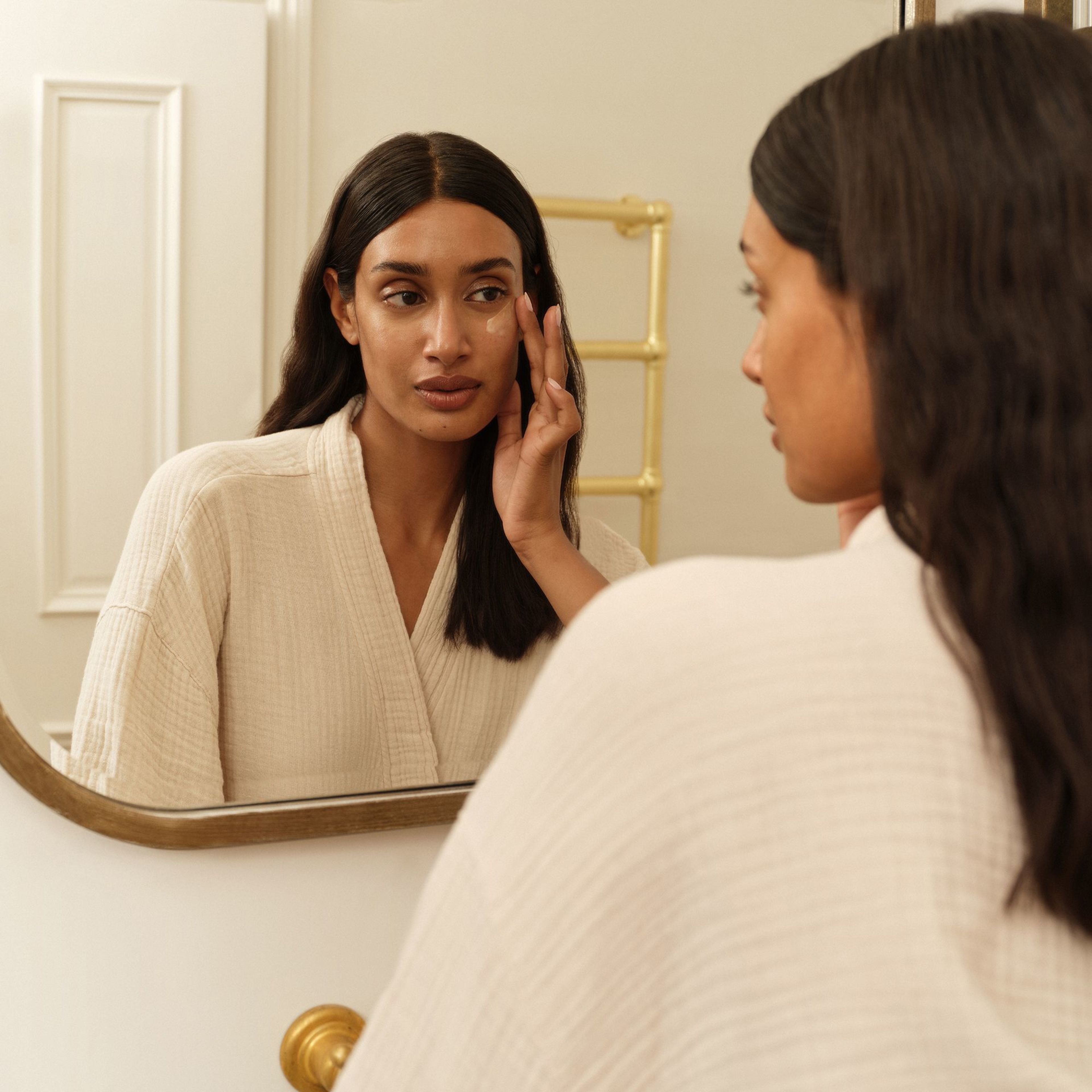
Wondering whether you're over-moisturising your skin? Keeley says there are a few tell-tale signs to look out for:
Your moisturiser sits on the surface
If your moisturiser doesn't seem to absorb, pay attention to how your skin – and anything you apply afterwards – behaves. “Your moisturiser may seem to sit on the surface of the skin like a film rather than absorbing,” Keeley explains. “You might also notice your make-up sliding, separating or pilling.”
You're noticing more congestion
Little bumps, clogged pores or more breakouts than normal can also suggest your routine is becoming too rich. “If you're noticing increased congestion or more breakouts than usual, it could be a sign you're overdoing it,” says Keeley.
Your skin looks shiny rather than glowing
There's a difference between healthy-looking radiance and skin that feels excessively greasy. As Keeley puts it, “Your skin may feel greasy rather than nourished, or look excessively shiny rather than naturally glowing.” A heavy or coated feeling after your routine is another reason to reassess how much you're applying.
Your skin still feels tight
This is where things can get confusing. Applying more moisturiser isn't necessarily the answer if what your skin is lacking is water rather than oil.
“Dehydrated skin lacks water, while dry skin lacks oil,” Keeley explains. “So if your skin feels tight and you automatically keep adding richer and richer creams, you might not be giving it what it's actually asking for. Sometimes it needs hydration, not heaviness.”
Myth: More Moisturiser Means Better Results
It can be tempting to keep applying moisturiser whenever your skin feels dry, but more product isn't always the answer.
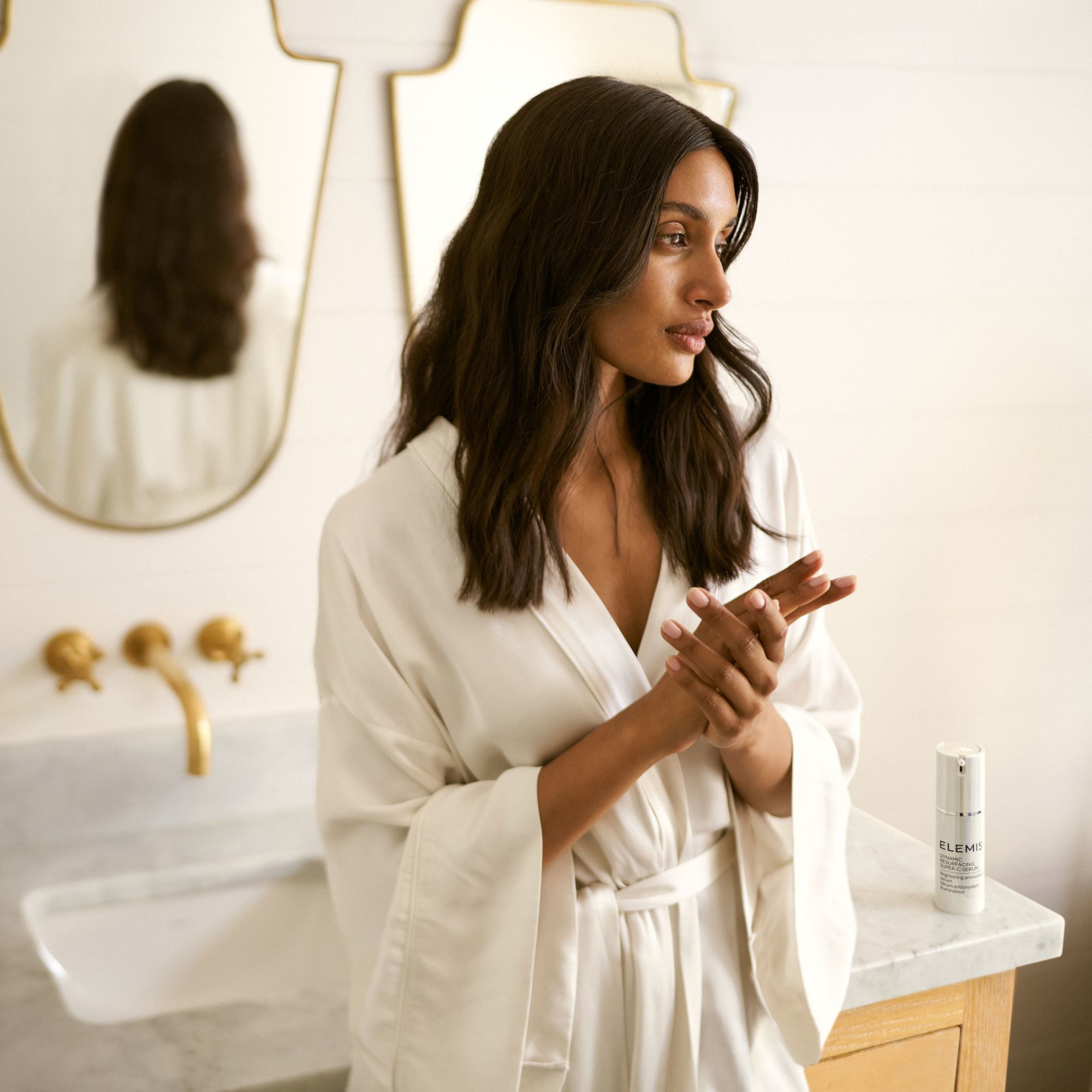
Healthy-looking skin is all about balance. Rather than layering multiple rich creams or serums, focus on supporting your skin barrier with products that suit your skin's needs. Lightweight, hydrating formulas such as Pro-Collagen Marine Moisture Essence, followed by a moisturiser appropriate for your skin type, can often be more effective than simply applying more cream.
Giving each layer a few moments to absorb before applying the next can also help your skincare routine work more effectively.
Reset Your Skin with a Simpler Routine
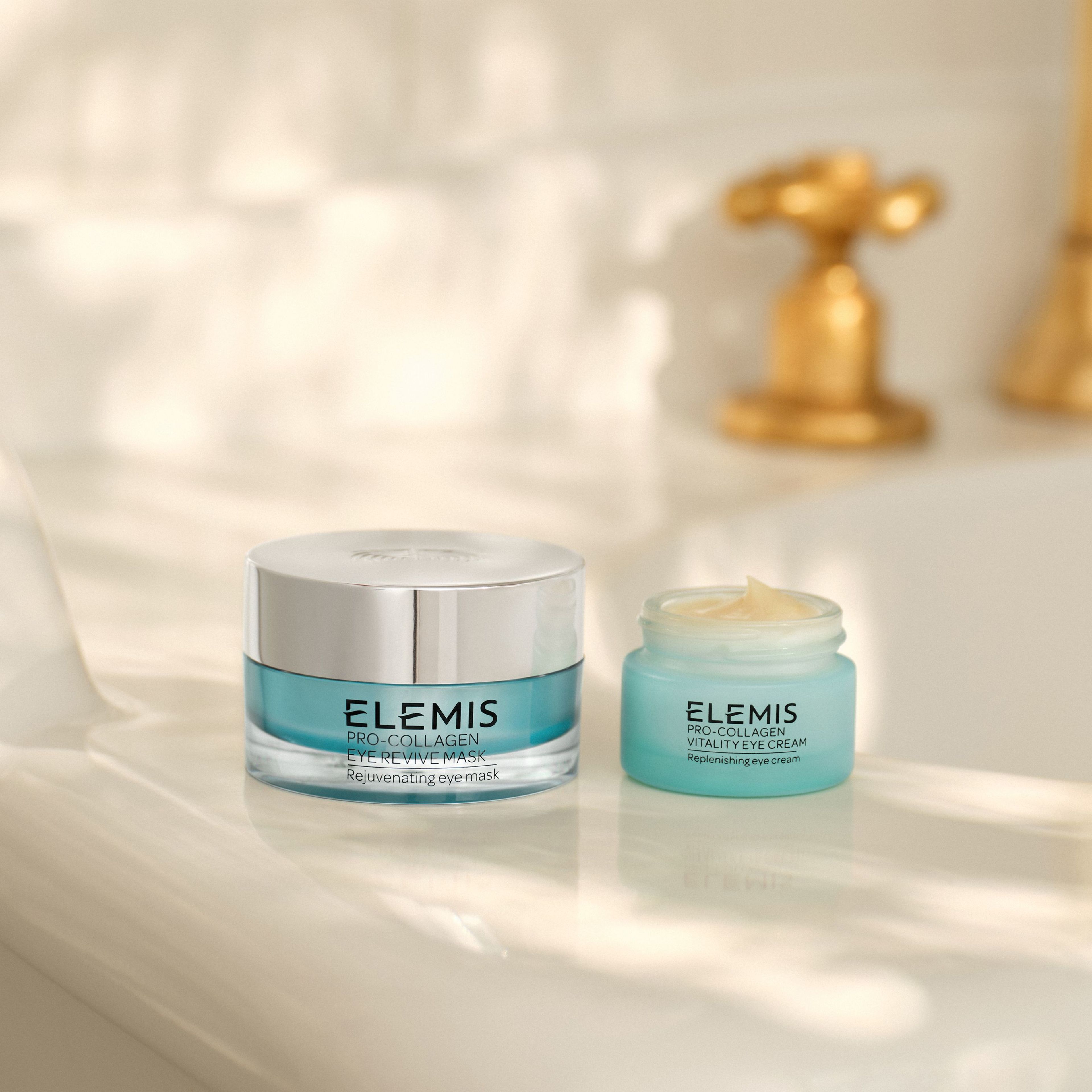
If you think you've been overdoing it, don't panic. Your skin barrier is remarkably resilient and often responds well to a simpler routine.
Go back to basics
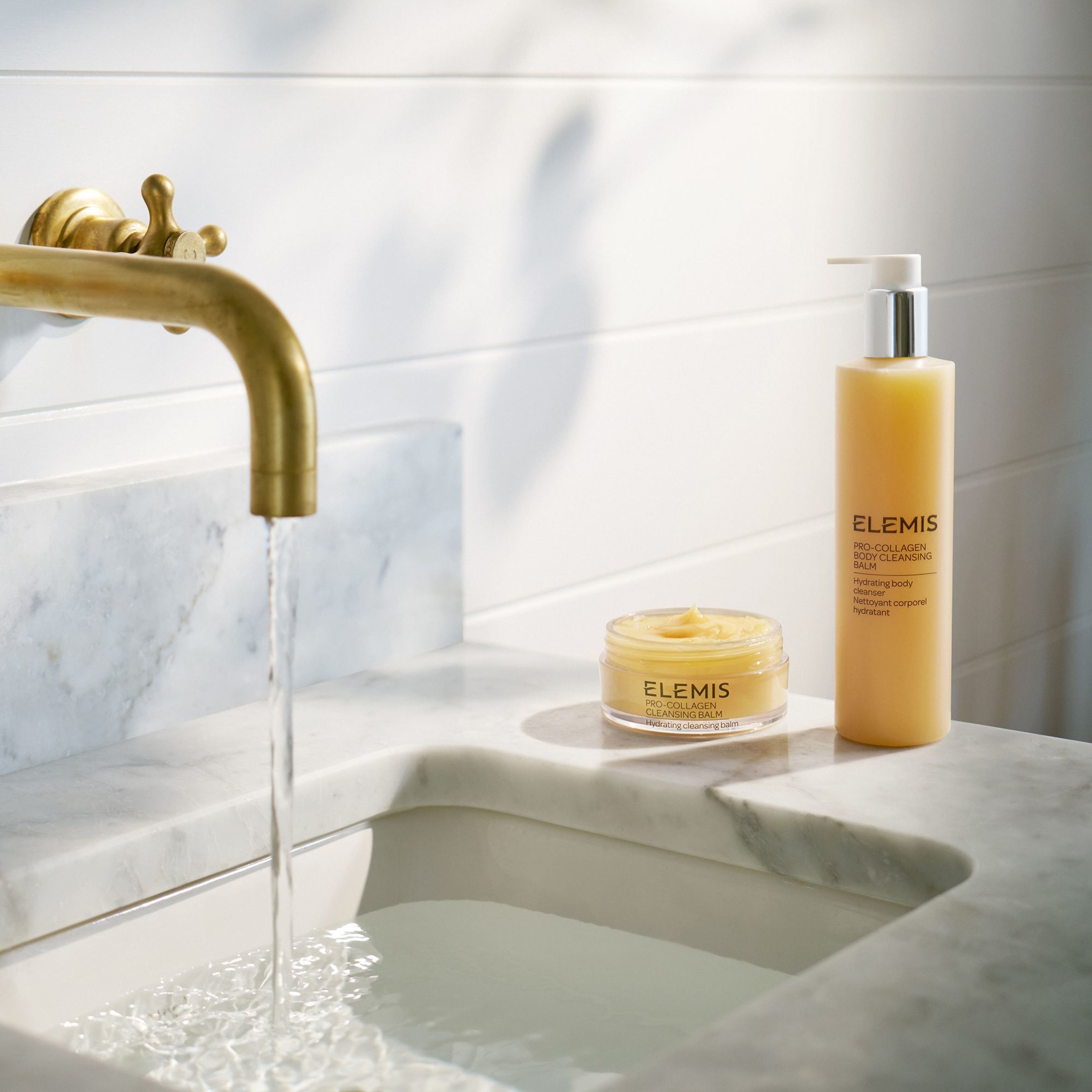
Pare your skincare back to the essentials: a gentle cleanser, moisturiser and daily SPF. Cleansers such as Pro-Collagen Cleansing Balm or Pro-Collagen Energising Marine Cleanser effectively remove makeup, SPF and impurities while respecting your skin barrier.
Avoid unnecessary layering
Instead of combining multiple hydrating serums, facial oils and creams, choose one or two products that address your skin's needs. Once your skin feels more balanced, slowly add targeted treatments back into your routine one at a time. Not sure where to start? Book an ELEMIS consultation to get expert advice on the best routine for your skin.
Hydrate Smarter, Not More
Healthy-looking skin isn't about using the most products – it's about using the right ones.
“Think lightweight hydrating layers, essences, mists and serums, followed by the right amount of moisturiser to seal everything in rather than going in with too much of the same product,” says Keeley.
Start with a lightweight hydrating layer, such as Pro-Collagen Marine Moisture Essence or Pro-Collagen Rose Micro Serum, before following with a moisturiser suited to your skin's needs. Pro-Collagen Marine Cream delivers lightweight hydration, while Pro-Collagen Marine Cream Ultra-Rich offers additional nourishment when drier skin needs more oil.
If your skin feels thirsty throughout the day, resist the urge to keep applying more moisturiser. Instead, consider whether your cleanser, environment or overall skincare routine could be contributing to moisture loss.
Frequently Asked Questions
Can too much moisturiser be bad for your skin?
Using more moisturiser than your skin needs isn't usually harmful, but consistently over-moisturising can leave skin feeling congested, heavy or out of balance.
Can moisturiser cause breakouts?
It can if you're using a formula that's too rich for your skin type or applying more than your skin needs. Choosing products suited to your complexion and avoiding excessive layering can help minimise congestion.
How much moisturiser should I use?
A pea-sized amount is generally enough for the face, with a little extra for the neck if needed. Start with less than you think you need – you can always apply a little more if your skin still feels dry.
Should I moisturise morning and night?
For most skin types, yes. Applying moisturiser after cleansing in the morning and evening helps support your skin barrier and maintain hydration throughout the day and overnight.
Related Guides
Looking to learn more?